The European Union has taken a decisive step by indefinitely freezing Russian assets in Europe to prevent Hungary and Slovakia from blocking their use for Ukraine. This move comes as part of a strategy to ensure that vital financial resources can support Ukraine amidst its ongoing conflict with Russia, which began on February 24, 2022.
Utilizing a special procedure designed for economic emergencies, the EU has blocked access to these assets until Russia ceases its military operations and compensates Ukraine for the extensive damage caused over nearly four years. EU Council President António Costa emphasized the commitment made by European leaders in October to maintain the immobilization of Russian assets until Russia halts its aggression. He stated, “Today we delivered on that commitment.”
Financial Implications for Ukraine
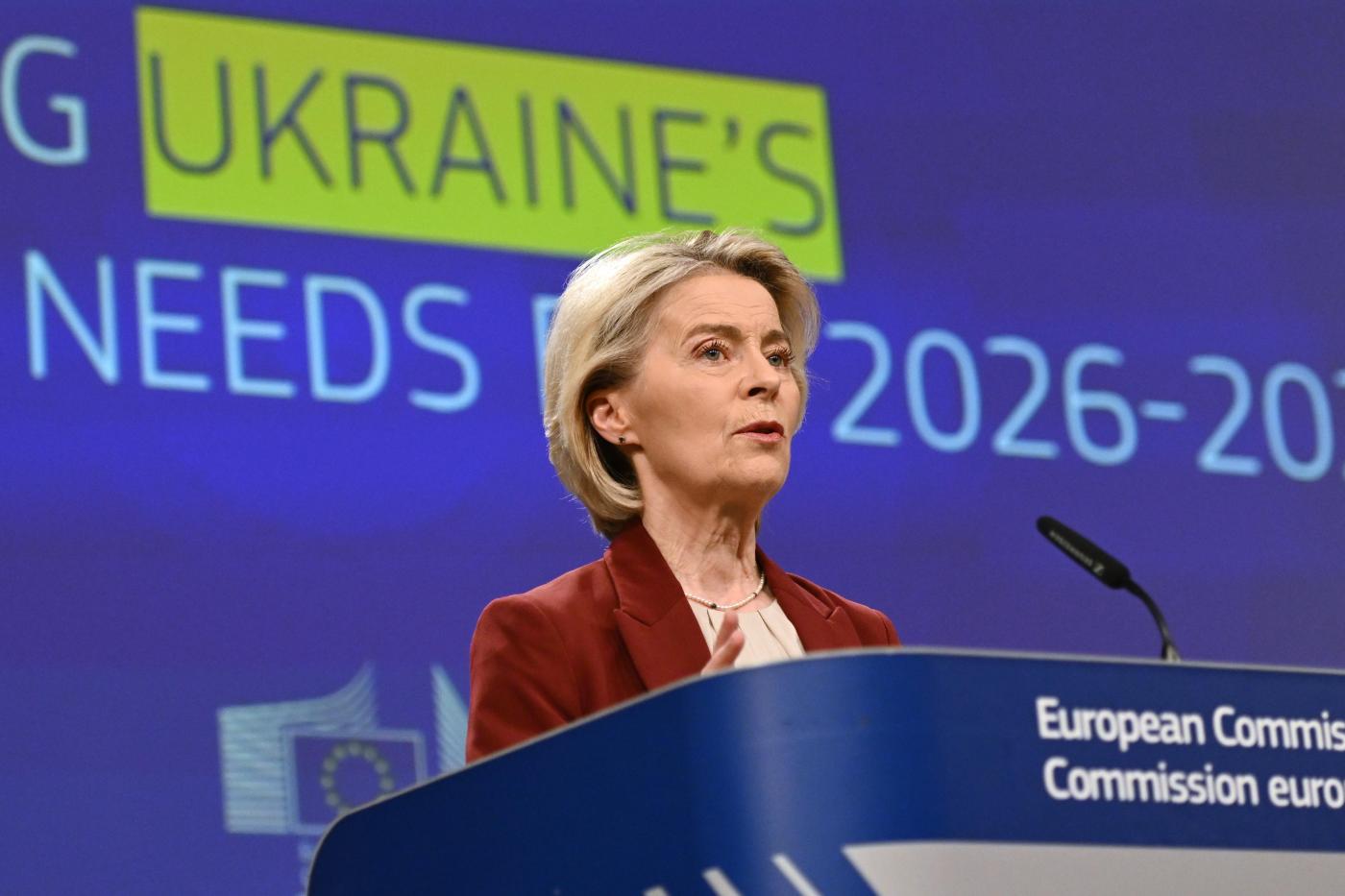
This decision plays a crucial role in preparing for an upcoming summit where EU leaders will discuss utilizing the approximately €210 billion (around $247 billion) in frozen Russian Central Bank assets. These funds are expected to underwrite a substantial loan aimed at addressing Ukraine’s financial and military needs for the next two years. Costa noted, “Next step: securing Ukraine’s financial needs for 2026–27,” as he prepares to lead the summit on December 18.
Blocking these assets also prevents them from being involved in any negotiations to resolve the conflict without European approval. A 28-point proposal drafted by U.S. and Russian representatives had suggested using the frozen assets for mutual benefit among Ukraine, Russia, and the United States. However, this plan was rejected by both Ukraine and its European allies.
Reactions from Hungary and Slovakia
The decision has drawn criticism from Hungary’s Prime Minister Viktor Orbán, who is known for his close ties to Russian President Vladimir Putin. Orbán accused the European Commission of undermining European law, claiming it was “systematically raping European law” to prolong the war in Ukraine. He expressed concern that the EU’s actions signify an end to the rule of law within the bloc.
Meanwhile, Robert Fico, Prime Minister of Slovakia, expressed his refusal to support any measures that would finance Ukraine’s military expenses in the coming years. He cautioned that utilizing frozen Russian assets could jeopardize U.S. peace efforts, which aim to incorporate these resources into Ukraine’s reconstruction.
The majority of the frozen funds, approximately €193 billion (or $225 billion) as of late September, are held in Euroclear, a Belgian financial clearing house. The assets were initially frozen under EU sanctions imposed on Russia in response to its invasion of Ukraine. These sanctions must be renewed every six months and require unanimous approval from all 27 EU member states. Hungary and Slovakia have previously opposed further support for Ukraine, complicating the sanction renewal process.
The EU’s recent decision, based on treaty rules that allow the bloc to safeguard its economic interests during emergencies, effectively removes the ability of Hungary and Slovakia to block these sanctions. This development simplifies the process for the EU to utilize the frozen assets.
In contrast, the Central Bank of Russia has filed a lawsuit against Euroclear, claiming damages resulting from its inability to manage these assets. The bank described the EU’s plans for using Russian assets to benefit Ukraine as “illegal” and contrary to international law, asserting that they violate the principles of sovereign immunity.
As the situation develops, the EU remains focused on addressing the financial challenges posed by the ongoing war, with nearly €200 billion (around $235 billion) already provided to Ukraine in support. The implications of the EU’s asset freeze will likely resonate throughout the region as discussions on future aid and recovery efforts continue.