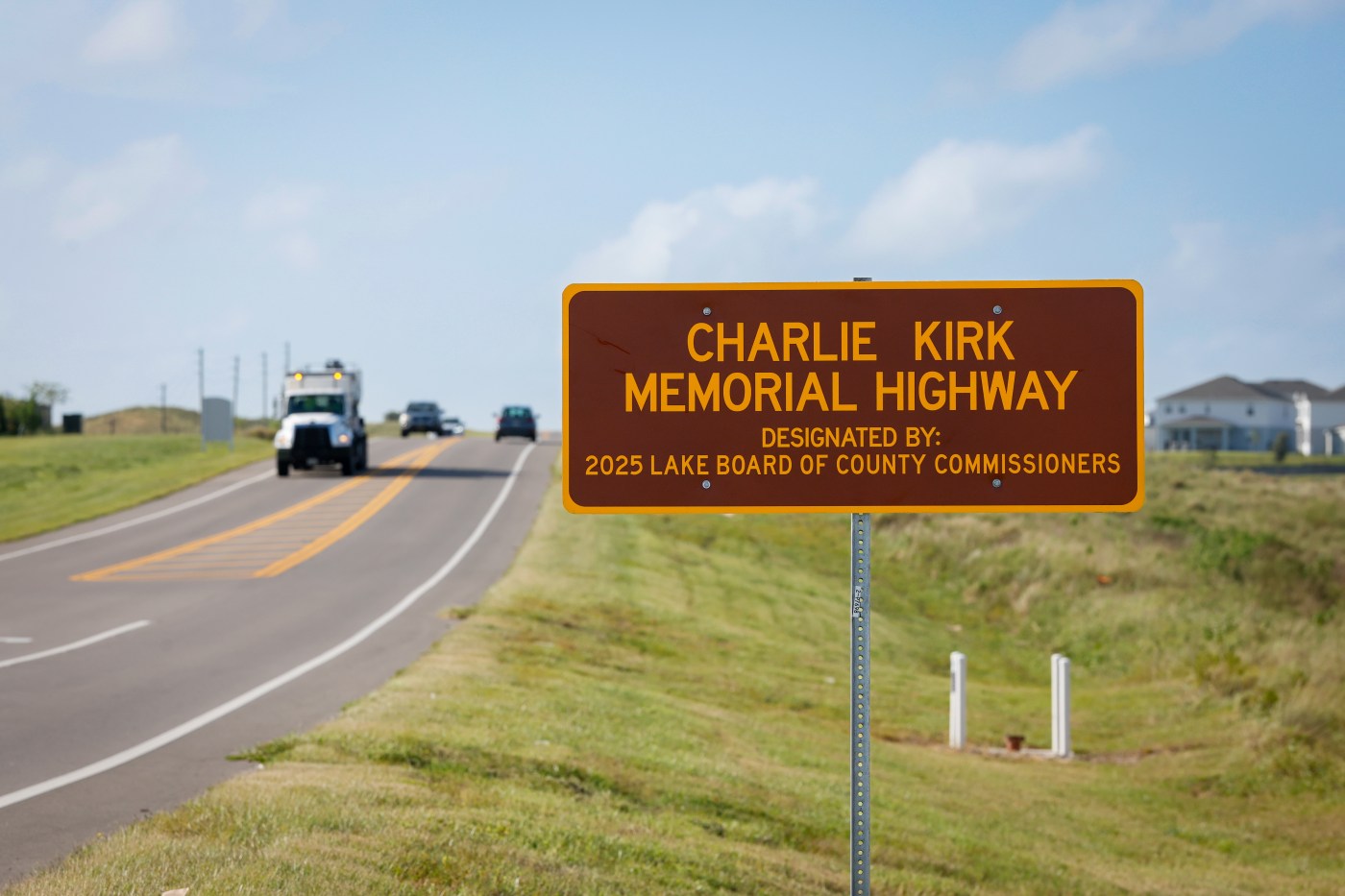
Florida lawmakers are advancing a bill to establish an annual “Day of Remembrance” on October 14, in honor of conservative activist Charlie Kirk. The proposal has generated significant debate, as it appears to overlook the contributions of other historical figures tied to civil rights in the state.
The bill, which passed a Senate committee with a party-line vote of 5 to 2, has garnered criticism for its narrow focus. Senators LaVon Bracy Davis and Tina Polsky were the only dissenters, raising concerns about the implications of commemorating Kirk. While acknowledging the tragedy of his recent murder during a speech in Utah, critics point out that Kirk’s views often contradicted the very principles of freedom and equality that such a remembrance should embody.
Kirk, founder of Turning Point USA, has been a polarizing figure in American politics. He has made incendiary remarks about prominent civil rights leaders, including calling Reverend Dr. Martin Luther King Jr. “awful” and labeling the Civil Rights Act of 1964 as a “huge mistake.” His statements have led to widespread criticism and have alienated many within the civil rights community.
The push to honor Kirk raises questions about the values being promoted by Florida’s Legislature. While his murder is undoubtedly a crime that deserves condemnation, many argue that elevating him through an official state recognition neglects other individuals who have made profound sacrifices for civil rights.
One notable figure often overlooked is Harry T. Moore, a civil rights pioneer in Florida. Moore was killed in 1951 when a bomb, planted by the KKK, exploded in his home. He fought tirelessly for equal pay for Black teachers and was instrumental in voter registration efforts. Despite his significant contributions, Moore’s name often fails to receive the recognition it deserves in discussions about civil rights martyrs.
Florida’s proposed commemoration also raises the issue of historical representation. The state’s history is filled with figures who paid the ultimate price for advocating justice and equality. Andrew Goodman, James Earl Chaney, and Michael Schwerner were murdered in Mississippi in 1964 for their efforts to help Black citizens register to vote. Similarly, Medgar Evers was assassinated in 1963 for his civil rights activism, and Harvey Milk, assassinated in 1978, became a symbol for LGBTQ+ rights.
These individuals, along with many others, exemplify the struggle for civil rights and deserve recognition. As Florida considers the implications of commemorating only one individual, it is essential to reflect on the broader narrative of sacrifice and advocacy that encompasses the civil rights movement.
In light of these considerations, critics of the legislation argue that a “Day of Remembrance” should be inclusive, honoring multiple figures who have fought for freedom and justice. The current proposal, by singling out Kirk, risks undermining the collective memory of those who have made enduring contributions to civil rights.
While the push for a Day of Remembrance may stem from a desire to honor free speech, it is crucial for lawmakers to ensure that such recognitions reflect a comprehensive history. The legacy of civil rights in Florida is rich and varied, and any commemorative efforts should acknowledge the many voices that have contributed to the ongoing struggle for equality.
As the bill moves forward, it remains to be seen whether Florida’s leaders will heed calls for a more inclusive approach to remembrance, one that truly honors the sacrifices made in the name of civil rights.