A loophole in Illinois sanctuary laws is allowing Immigration and Customs Enforcement (ICE) to detain immigrants in county jails, raising concerns about the state’s commitment to protecting vulnerable populations. In June 2025, a Honduran immigrant known as “Mary” was arrested by ICE at a gas station in St. Louis, Missouri, after her husband, Jose, was also detained just weeks earlier. Their family, which includes two children, has been severely impacted by recent immigration sweeps in their neighborhood.
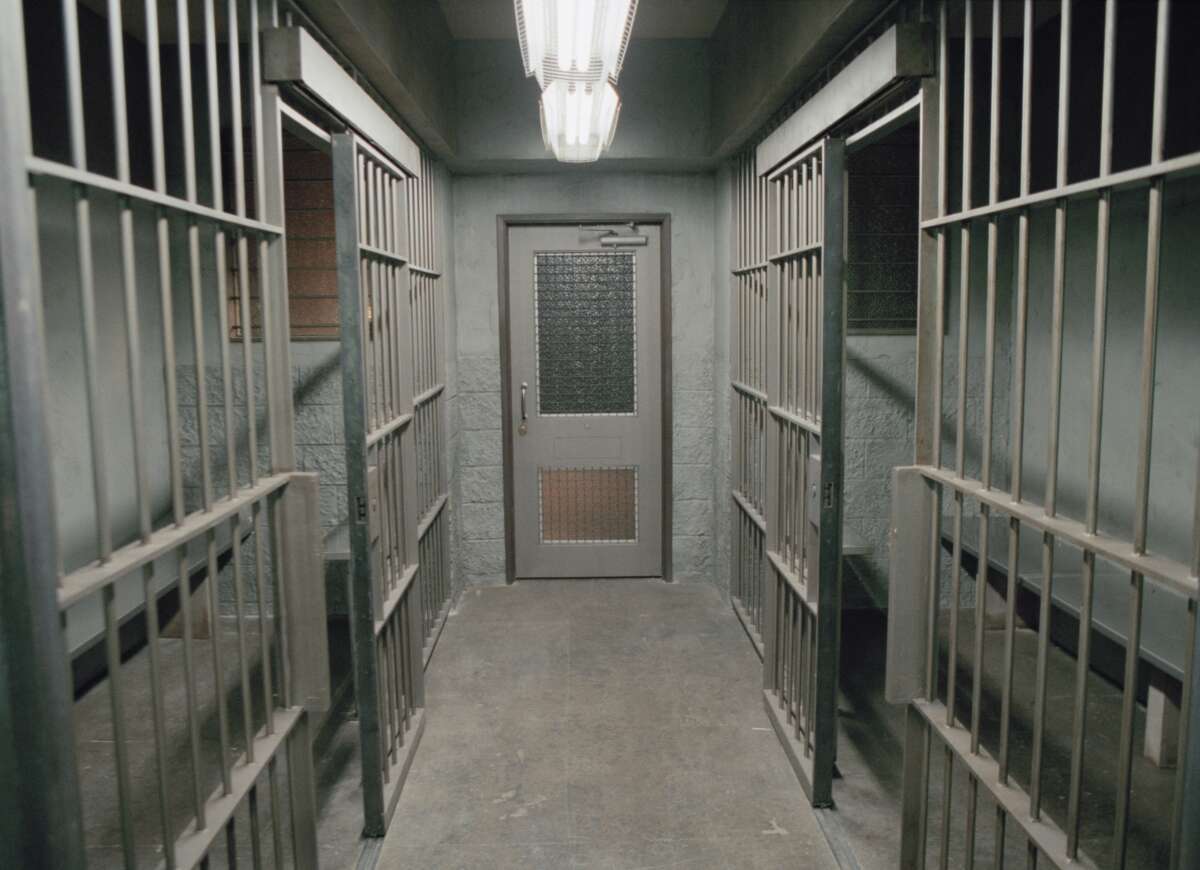
Mary described her experience in a county jail as a period of uncertainty and fear. She said, “Dinner was the same every day, and waiting was the worst part because nobody tells you that you have to wait for such a long time.” After being arrested, she was held in Phelps County Jail, located an hour and a half from St. Louis, where she was denied contact with her husband. “It was very sad not knowing anything about him because he only had me,” Mary recalled.
Sanctuary State Protections Compromised
Despite Illinois being recognized as a sanctuary state, where county jails are prohibited from holding immigrants solely on civil immigration violations, a significant loophole exists. This loophole allows jails to detain immigrants with criminal charges under federal custody. Jose was ultimately charged with felony reentry under U.S. Code 1326, which involves being caught crossing the border multiple times. This charge can lead to a prison sentence of up to two years, followed by deportation.
The criminalization of immigration has roots that trace back to the nativist movements of the 1920s and has intensified in more recent years. Following the events of September 11, 2001, the newly formed Department of Homeland Security expanded prosecutions for felony reentry. A report published in December 2025 indicated that the U.S. House of Representatives had passed the “Stop Illegal Entry Act,” proposing to increase penalties for such offenses to a mandatory minimum of five years in prison. Although this bill has not yet moved to the Senate, former President Donald Trump has expressed his willingness to sign it into law.
The implications of these legal frameworks are profound. Many immigration advocates argue that the focus on criminal charges marginalizes a large segment of immigrants who find themselves ensnared in the legal system. “The criminalization of immigration is often overlooked by immigration activists,” said Jacob Kang-Brown, senior researcher at the Prison Policy Initiative. He highlighted that many advocates fail to address those facing criminal charges, leaving them vulnerable to deportation.
Counties Exploit Federal Contracts
An investigation conducted by journalist Blair Paddock of WTTW in Chicago revealed that at least 17 counties in Illinois have contracts with ICE to detain immigrants, despite the state’s sanctuary laws. Often, these counties enter contracts with the U.S. Marshals Service (USMS) to detain individuals facing federal charges. This has resulted in immigrants being held in county jails under the guise of federal criminal charges.
According to a recent report, the number of immigrants in detention is significantly underreported. In June 2025, ICE detention data indicated that 57,200 individuals were incarcerated. However, when including those held in county jails, the number rises to approximately 83,400—an increase of 45 percent. This discrepancy arises in part because ICE can utilize contracts that county sheriffs have with the USMS.
Even though Illinois prohibits ICE contracts, there is no restriction against contracts with the U.S. Marshals. As Kang-Brown noted, local jails are increasingly being used to provide detention space for immigrants, effectively facilitating the current administration’s mass deportation agenda.
On May 1, 2025, Monroe County renewed its USMS contract, allowing it to hold a maximum of 30 men at a reimbursement rate of $90 per day. Data from the first half of 2025 indicated that Monroe County received $343,317 for holding federal detainees. For smaller counties like Monroe, such contracts can provide much-needed financial support.
Monroe County Sheriff Neal Rohlfing stated, “If they have federal criminal charges and a warrant signed by a judge, we can hold them.” This legal gray area continues to raise concerns among advocacy groups and lawmakers.
Fred Tsao, policy director at the Illinois Coalition for Immigrant and Refugee Rights, explained that while the state prohibits county jails from detaining individuals for civil immigration violations, this does not extend to those charged with criminal offenses. As a result, the loophole remains open for exploitation by federal authorities.
Illinois State Representative Norma Hernandez has expressed support for strengthening laws to protect immigrant rights. However, she acknowledged that the current legal challenges regarding the state’s sanctuary status complicate the issue further. “I don’t think people should be criminalized for entering into another country,” she stated. “This country was built on immigrants. So how are we going to criminalize something that the foundation of this country was built on?”
After nearly six months in Monroe County Jail, Jose was deported back to Honduras. Tragically, upon his return, he learned that his mother had passed away during his detention. This devastating news underscores the profound human impact of these policies and practices.
Mary, who spent approximately one month in jail, has struggled to support her children during this challenging time. “There was so much harm to the children,” she said. Her son, once lively and active, now shows signs of sadness and withdrawal. “He only wants to stay home and his gaze is sad,” she added. Her daughter also misses her father and speaks very little since his detention.
As families face the repercussions of these immigration policies, the urgency for reform becomes increasingly clear. The situation exemplifies the pressing need for continued advocacy and action to protect the rights of immigrants and ensure that sanctuary laws fulfill their intended purpose.