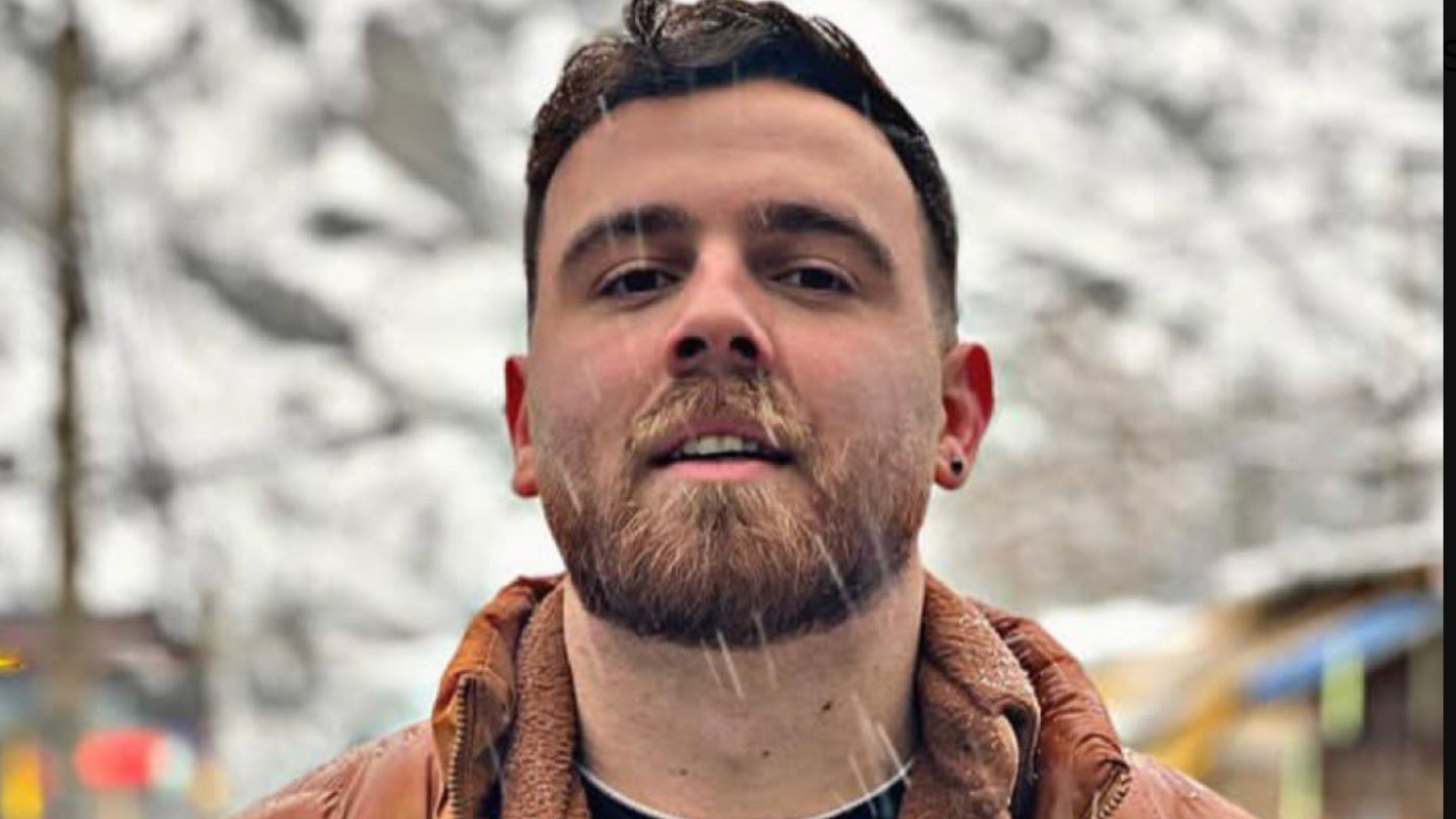
Iran is poised to execute Erfan Soltani, a 26-year-old man, on January 18, 2026, marking the first hanging connected to the ongoing anti-government protests that have swept the nation since late December. Soltani, a resident of Fardis near Karaj, was arrested during demonstrations on January 8, just days before his scheduled execution.
Human rights organizations fear that this case could signal the onset of mass executions aimed at silencing dissent. According to Iran Human Rights, sources close to Soltani’s family revealed that authorities informed them on January 12 that the death sentence had been finalized. The family received only a brief opportunity for a final visit before the execution. Soltani faces charges of “waging war against God,” a capital offense under Iranian law, and has reportedly been denied legal counsel throughout the judicial process.
Concerns over the fairness of Soltani’s trial are amplified by the lack of transparency surrounding the charges and trial details. Hengaw, a human rights organization, reported that Soltani’s sister, a licensed attorney, was barred from accessing the case file, further raising alarms about the integrity of the legal proceedings. The National Union for Democracy in Iran, a US-based non-profit, stated that the family was told, “the sentence is final,” emphasizing that Soltani’s only crime was advocating for freedom.
Background of Protests and Government Response
The protests began on December 28, 2025, in Tehran’s Grand Bazaar and rapidly spread across the country, fueled by increasing economic hardships. Estimates from Iran Human Rights indicate that at least 648 protesters have been killed in the unrest, with more than 10,000 arrests reported. Iranian officials have labeled protesters as “rioters” and “enemies of God,” with accusations that carry the potential for capital punishment.
In response to the protests, security forces have employed military-grade weapons, targeting demonstrators with lethal force. Unlike previous crackdowns where gunfire was the primary method of suppression, this wave of unrest has seen authorities reportedly shifting towards executions as a means of control. The Iranian government has enacted a nationwide internet blackout since January 8, effectively cutting off about 99% of internet access, complicating efforts to verify reports of arrests and fatalities.
This blackout recalls a similar situation in November 2019, which coincided with the deaths of an estimated 1,500 protesters. Observers have voiced concerns that the current situation may lead to extrajudicial executions under the guise of rapid legal proceedings being conducted by special branches of the Revolutionary Courts.
International Response and Human Rights Concerns
The impending execution of Erfan Soltani has prompted calls from various human rights organizations for immediate action to halt the process and initiate an independent review of the judicial proceedings. The Hengaw Organization for Human Rights has argued that the case represents a violation of international human rights laws, particularly the International Covenant on Civil and Political Rights. They assert that the lack of access to legal representation constitutes an extrajudicial execution.
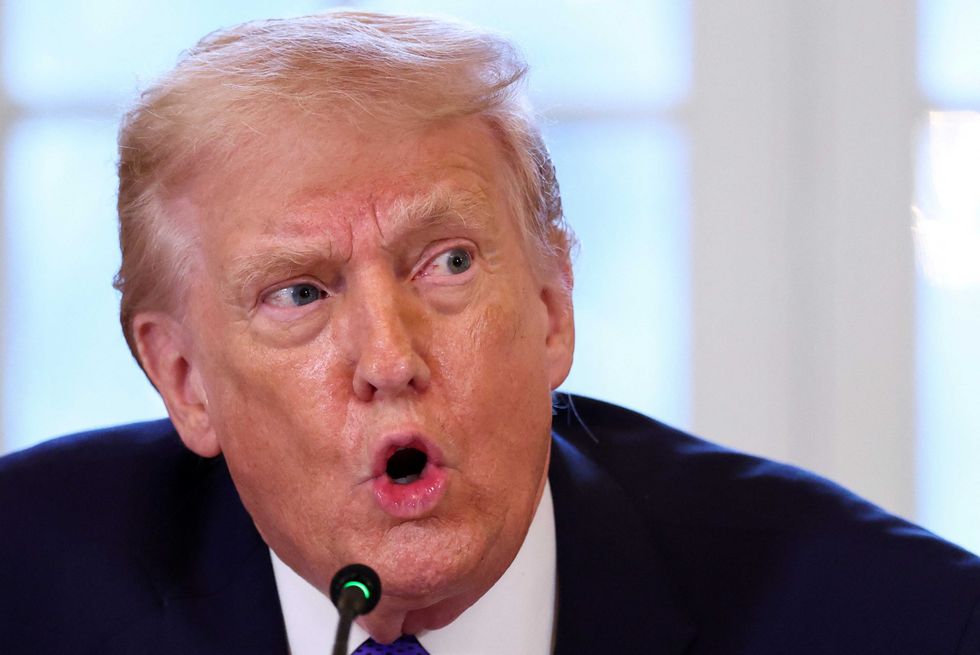
In light of these developments, US President Donald Trump has publicly warned Iran that violence against protesters will not go unanswered, stating on social media, “Iran is looking at freedom, perhaps like never before. The USA stands ready to help.” The protests, initially sparked by economic discontent, have evolved into broader calls for regime change, and the execution of Soltani could escalate international condemnation of the Iranian government.
As the world watches closely, the fate of Erfan Soltani stands as a stark reminder of the risks faced by those who dare to speak out against repression. The execution, if carried out, may serve to further inflame tensions both domestically and internationally, highlighting the urgent need for intervention and support for human rights in Iran.