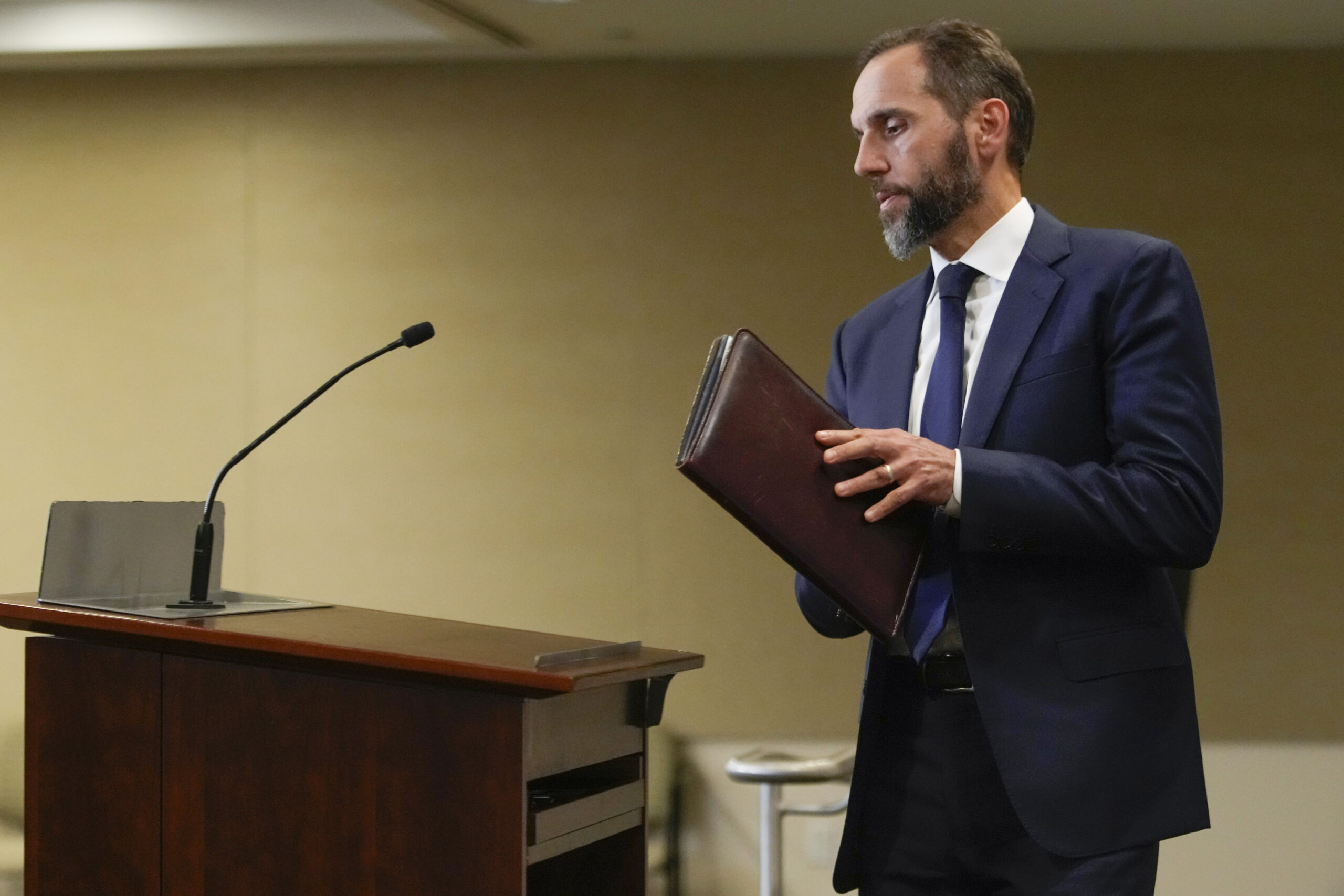
Former Special Counsel Jack Smith is set to provide testimony to the U.S. Congress regarding his investigations into former President Donald Trump. This closed-door session with the House Judiciary Committee will take place in Washington D.C. and promises to shed light on the ongoing legal proceedings involving Trump.
The committee’s decision to question Smith reflects the increasing scrutiny surrounding Trump’s legal challenges. Smith, who led the investigations into the former president’s alleged misconduct, has been at the forefront of some of the most significant inquiries in recent U.S. political history. His testimony could reveal critical insights into the scope and findings of his investigations.
While the exact date for this testimony has yet to be confirmed, it is expected to occur in November 2023. This session carries inherent risks for Smith, as it places him in a politically charged environment. The implications of his statements may have far-reaching effects on the ongoing legal battles faced by Trump, including potential political ramifications.
The House Judiciary Committee, which holds significant power in legislative oversight, aims to understand the complexities of Smith’s work. This includes exploring the evidence collected and the procedural aspects of the investigations. The committee’s inquiries are pivotal as they seek to ensure accountability at the highest levels of government.
Smith’s willingness to engage with Congress underscores the importance of transparency in high-profile investigations. However, the closed nature of the proceedings also raises concerns about the potential for politicization of the information shared. Critics argue that such testimony could be used selectively to influence public perception and distract from the legal issues at hand.
As the session approaches, both supporters and opponents of Trump are closely monitoring developments. The outcome of Smith’s testimony may influence not only the legal landscape but also the political climate as the nation heads into the upcoming election cycle.
In a statement, Smith emphasized his commitment to upholding the rule of law. “My goal is to ensure that the facts are presented without bias,” he noted, highlighting the gravity of his role in these investigations. The House Judiciary Committee is expected to examine the findings of Smith’s work thoroughly, seeking to draw conclusions that could impact future legislative actions.
Looking ahead, the implications of this testimony extend beyond the immediate legal context. It represents a significant moment in the ongoing dialogue about accountability and governance in the United States. As the political landscape evolves, the role of investigations in shaping public trust and confidence in elected officials remains a critical issue.
The outcome of this closed-door session will likely reverberate not only through the political arena but also among the American public, who are increasingly engaged in discussions about the integrity of their leaders. Smith’s insights could inform broader conversations about justice and accountability, making this a pivotal moment in U.S. political history.