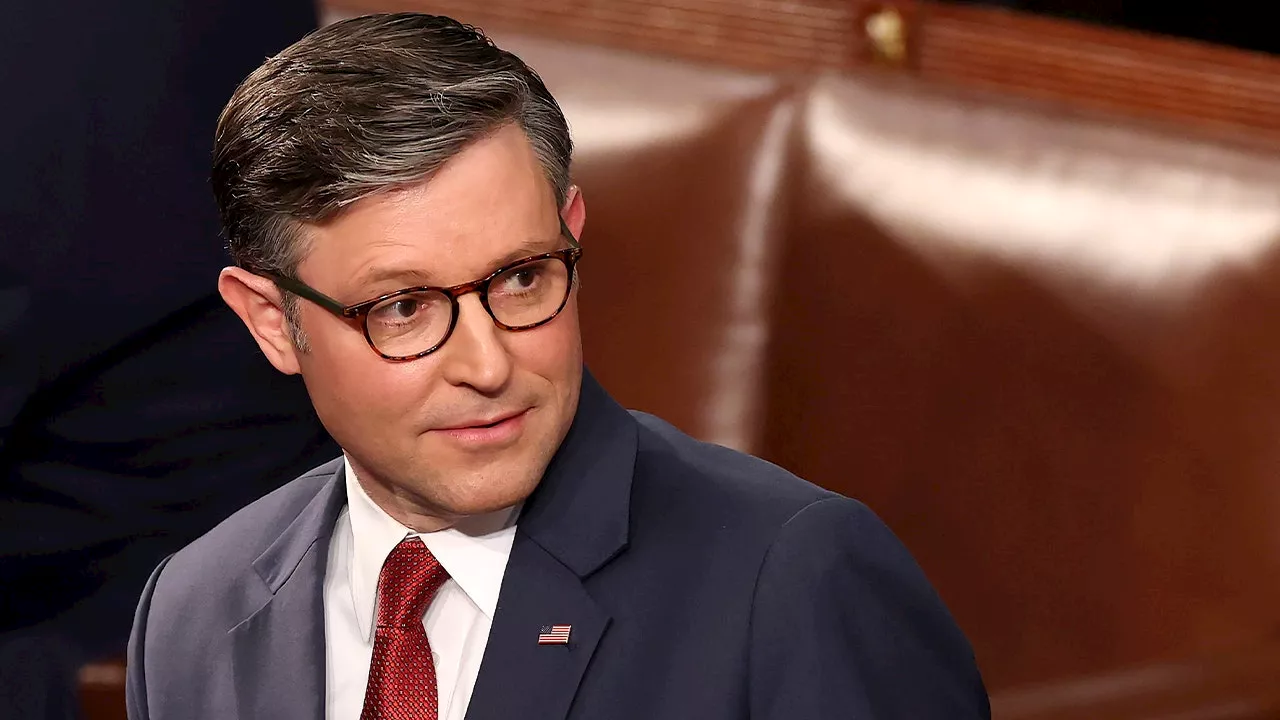
House Speaker Mike Johnson has reiterated the critical importance of the U.S.-Israel alliance, particularly as divisions within the Republican Party over support for Israel and rising antisemitism become more apparent. In a recent interview on *The Katie Miller Podcast*, Johnson underscored the need for a unified stance against antisemitism, stating that it must be “universally rejected.”
During his discussion, Johnson addressed the growing rift among Republicans, particularly highlighting the views of members such as Marjorie Taylor Greene and Thomas Massie, who have begun to question the party’s long-standing pro-Israel position. He emphasized that many Americans see support for Israel as grounded in “scripturally based, biblical reasons.”
January 2026 marks a significant date for Greene, who has announced her resignation from Congress. She has been vocal in her criticism of U.S. policy towards Israel and has advocated for cuts to military aid. Massie, on the other hand, has expressed long-standing opposition to U.S. military assistance to Israel and raised concerns about the influence of pro-Israel lobbying organizations, particularly the American Israel Public Affairs Committee (AIPAC), on American foreign policy.
Johnson articulated the strategic necessity of the U.S.-Israel alliance, particularly in a region often described as a “tinderbox.” He maintained that Israel stands as the only stable democracy in the Middle East, making it a vital ally in a complex geopolitical landscape.
“You can make all sorts of arguments about why this is a really important friendship and alliance,” Johnson stated. He also insisted that antisemitism should be condemned outright, calling for an inclusive approach that promotes love and respect for all communities, especially the Jewish people.
The internal conflict within the GOP reflects broader societal tensions regarding support for Israel. As antisemitic incidents rise in various parts of the world, Johnson’s comments resonate with many who believe that combating hate is essential to preserving democratic values.
As this issue continues to unfold, the Republican Party faces a pivotal moment in determining its stance on foreign policy and social justice. Johnson’s call for unity against antisemitism and support for the U.S.-Israel alliance highlights a critical juncture in American politics, where the balance between tradition and emerging dissent will shape future discourse.