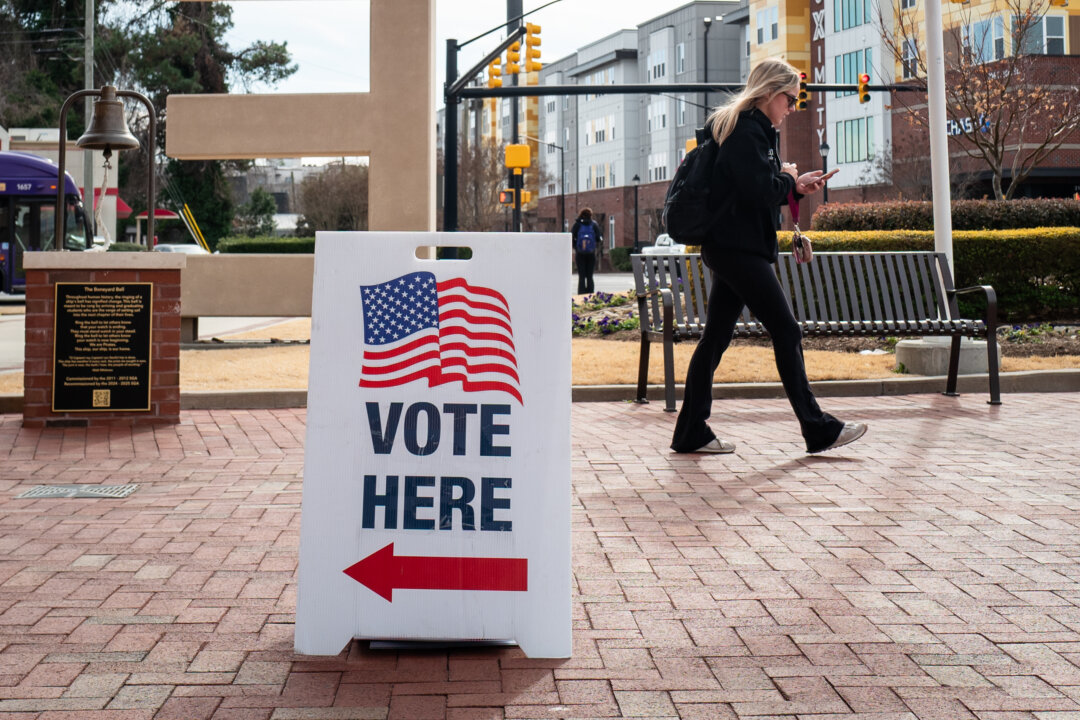
On March 3, 2026, voters participated in the first primary elections of the midterm election cycle, with significant implications for the control of Congress in 2027. The primaries in Texas and North Carolina emerged as pivotal contests, shaping the political landscape ahead of the general election. While most outcomes aligned with pre-election expectations, the night revealed at least one notable surprise.
Texas Results: Cornyn and Paxton Advance to Runoff
In Texas, the Republican Senate primary race concluded with Senator John Cornyn and Texas Attorney General Ken Paxton set to face each other in a runoff. Neither candidate secured the required 50 percent of the vote, reflecting a divided electorate within the party. Cornyn, a long-standing member of the Senate, garnered significant support but fell short of a decisive victory, while Paxton’s campaign capitalized on strong grassroots backing.
The runoff is scheduled for May 2026, creating a critical moment for Texas Republicans as they prepare for the general election. The outcome will not only determine the party’s candidate but could also influence broader strategies for the midterms.
North Carolina Primary: A Shift in the Political Landscape
North Carolina also witnessed a dramatic primary election, where Republican candidates sought to secure their positions for the upcoming midterms. The results revealed shifting dynamics, with several incumbents facing unexpected challenges from newcomers. This trend may signal a growing desire among voters for change within the Republican party.
In the Democratic primary, incumbent Governor Roy Cooper faced no significant opposition, solidifying his position as a frontrunner for re-election. His campaign has focused on issues such as healthcare and education, resonating with many voters in the state.
Key Takeaways from the Primaries
The March 3 primaries underscored several important trends:
1. **Runoff Elections**: The runoff in Texas highlights the need for candidates to build broader coalitions within their party.
2. **Voter Engagement**: High turnout in both states reflects increased voter engagement as the midterm elections approach.
3. **Incumbents Under Pressure**: Established candidates are facing challenges from within their parties, suggesting a potential shift in voter preferences.
4. **Strategic Implications**: The outcomes in Texas and North Carolina will have lasting effects on campaign strategies heading into the general election.
As the political landscape continues to evolve, both parties will need to adapt to the sentiments expressed by their constituents during these primaries. With the runoff in Texas and the implications of North Carolina’s results, the stage is set for a competitive and potentially transformative midterm election cycle.