Approximately 2,500 childcare workers in Michigan are experiencing an increase in their wages as part of a two-year pilot program that began in November 2025. Full-time employees will receive an additional $300 monthly, while part-time workers will see a boost of $200. This initiative aims to address the ongoing challenge of low wages in the childcare sector, which has contributed to a high turnover rate.
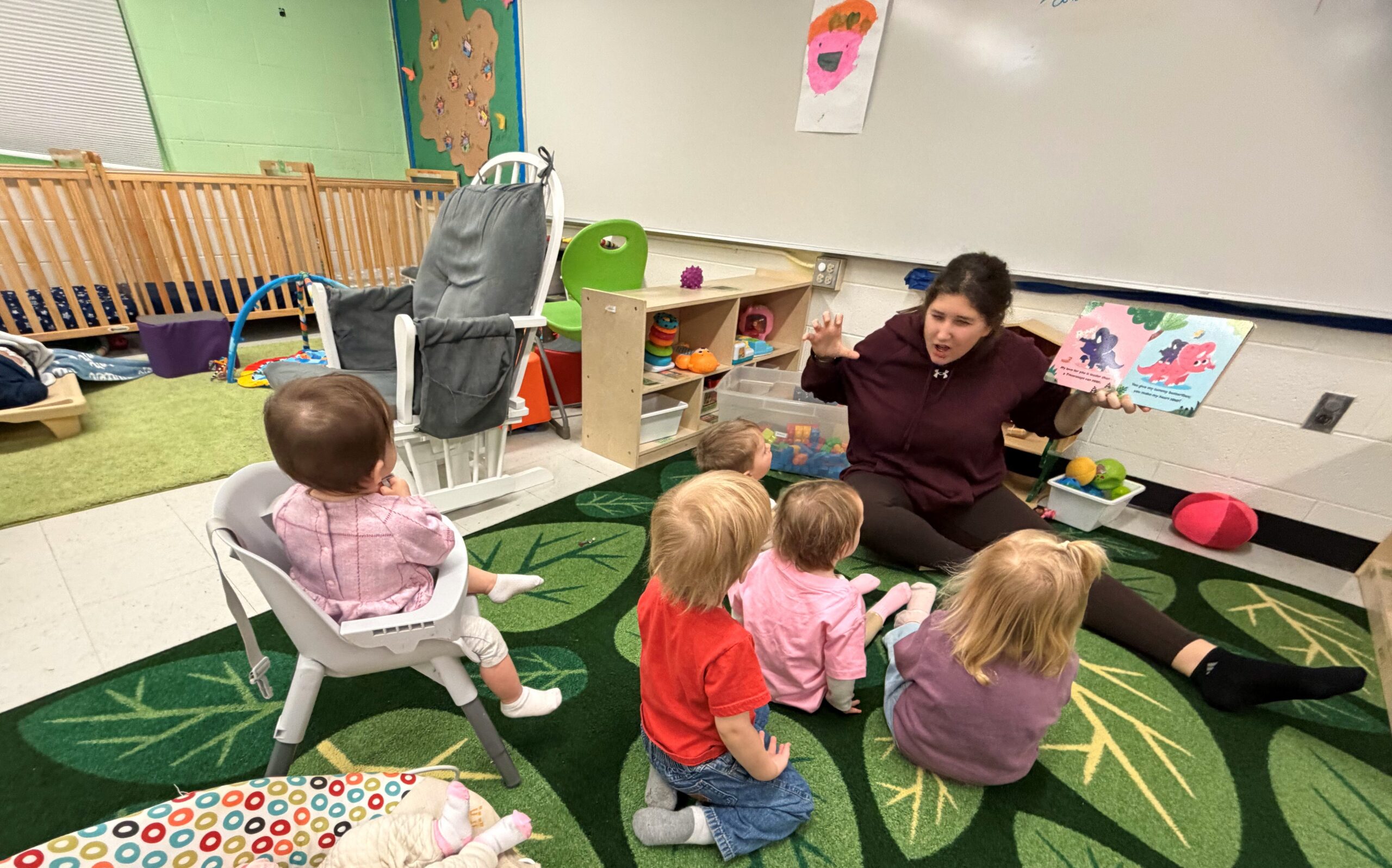
Among the beneficiaries is Isabelle Winkler, a 19-year-old infant and toddler teacher at Early Impressions Preschool and Childcare in Jackson. Upon learning about the wage increase during a staff meeting, Winkler expressed her astonishment. “It was very uplifting … a lot of like, ‘Wow, this is life-changing,’” she said. Prior to the increase, Winkler earned $14 an hour, amounting to $1,700 monthly.
The pilot program, funded by the state, seeks to stabilize the workforce by providing competitive wages. The median hourly wage for childcare workers in Michigan stood at $13.88 according to data from 2024. Angela Mentink, director at Early Impressions, noted the difficulties of retaining staff in early childhood education due to low compensation. “There are a lot of people who do have passion but who just can’t afford to stay in the field,” she explained.
Addressing Workforce Stability
This wage supplement program is not an innovative concept; several states, including Washington D.C., have implemented similar initiatives to enhance workforce stability. Initial evaluations from other states indicate a positive correlation between increased wages and worker retention. For instance, a study on a program in Ohio revealed decreased stress levels among employees.
In Michigan, the pilot officially commenced in November 2025, and as of March 3, 2026, all ten regional childcare coalitions have secured the full $1.6 million in state matching funds necessary for the program. This funding structure encourages a mix of public and private financial support, with local businesses and community foundations contributing.
The program operates as a “weighted lottery,” where each coalition applies for funds on behalf of local childcare providers. Prioritization is given to facilities that serve underserved communities, operate in childcare deserts, or provide infant and toddler care. Six employees at Early Impressions, including Winkler, were selected to receive these supplementary wages.
Winkler shared that before the wage increase, she struggled to manage her bills, particularly as a young adult facing college expenses and car payments. “I was really praying for something to come along to keep me in this field because I love it so much,” she remarked. Since receiving her first payment of $300 in February, she feels a significant reduction in her financial stress.
Future Prospects for Childcare Workers
While the pilot program is set to continue through September 30, 2027, the Michigan League for Public Policy (MiLEAP) hopes the collaborations fostered during this period will lead to sustainable solutions for early childhood workforce challenges. However, there are no current proposals for additional funding in the upcoming budget from Governor Gretchen Whitmer.
Mentink expressed the urgent need for ongoing support for all childcare workers, stating, “I’m ready for the next steps. It’s time to spread this to all our providers.” She highlighted that while the wage increases are beneficial, many initiatives aimed at improving the childcare sector will falter without ensuring livable wages.
This advocacy comes at a time when various states face budget cuts that threaten similar wage supplementation programs. For instance, Washington D.C. is contemplating the elimination of its funding due to budget shortfalls.
Winkler remains optimistic about the future of early childhood education. “We are shaping the future of children,” she concluded. “I truly believe we all deserve this.”
This article is supported by the Bainum Family Foundation, with editorial control retained by the Detroit Free Press.