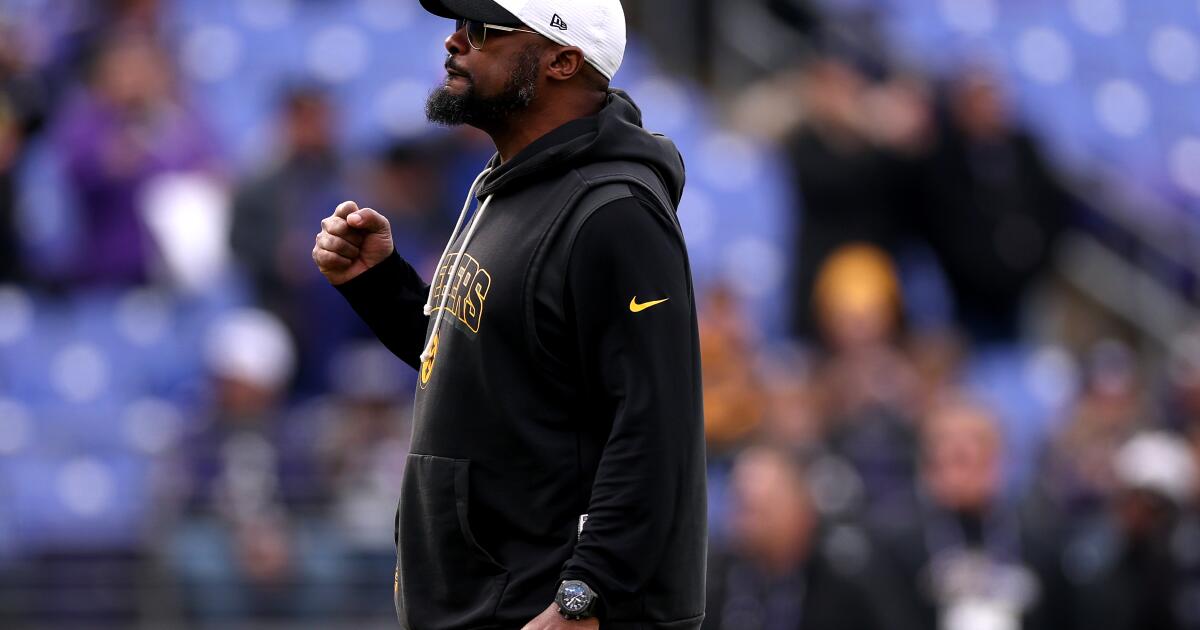
The NFL coaching landscape is in flux as the playoffs progress, highlighted by numerous teams seeking new head coaches. In a surprising turn, Mike Tomlin has announced his decision to step down from his role with the Pittsburgh Steelers after a remarkable 19-year tenure. This year alone, over 25% of NFL teams have parted ways with their head coaches, many of whom did not achieve playoff success. Tomlin, however, has consistently defied the odds, leading the Steelers to their 25th division title and maintaining a reputation for excellence.
Upon the announcement of his departure, players expressed deep emotions, including Aaron Rodgers, who reportedly shed tears, reflecting Tomlin’s profound impact as a mentor and leader. This response echoes a long-standing sentiment within the league: Tomlin is respected not just for his coaching acumen, but also for his character and relationships with players.
Despite his achievements, a narrative persists among some fans and commentators suggesting that Tomlin is not among the all-time greats, primarily due to the Steelers’ lack of a Super Bowl victory since February 2009. Such criticism overlooks the broader context of Tomlin’s success and the challenges faced in the highly competitive NFL. To date, about a third of the league’s teams have secured a championship since Tomlin took the helm, while franchises like the Cleveland Browns and Arizona Cardinals have yet to reach similar heights.
Tomlin’s record is noteworthy; he has never experienced a losing season, a feat unmatched by any head coach with his level of experience. This achievement underscores a level of consistency that is increasingly rare in today’s fast-paced sports environment, where recency bias often distorts perceptions of past performances. While social media can amplify criticism, it is essential to acknowledge Tomlin’s unparalleled success, with a career win percentage of approximately 63% , ranking him among the top ten coaches in NFL history.
The complexities of team dynamics further illustrate Tomlin’s coaching prowess. Throughout his career, he has navigated challenging transitions, including multiple starting quarterbacks. Notably, the only first-round quarterback drafted during his tenure, Kenny Pickett, is now on his fourth team, emphasizing the difficulties inherent in developing a franchise quarterback.
Tomlin’s accomplishments extend beyond statistics. His role as a Black head coach in a league where less than 15% of head coaches are Black carries significant weight. For many players, he represents a groundbreaking figure, often being the only Black head coach they encounter. Throughout his career, Tomlin has shouldered the expectations that come with this responsibility while consistently achieving winning seasons.
Instead of debating whether Tomlin belongs among the NFL’s elite, the focus should shift to recognizing his substantial contributions to the league and the culture surrounding the sport. His legacy is defined not just by victories, but also by the respect he has earned from players, coaches, and fans alike. As the NFL landscape evolves, Tomlin’s impact will undoubtedly resonate for years to come, serving as a testament to excellence in coaching.