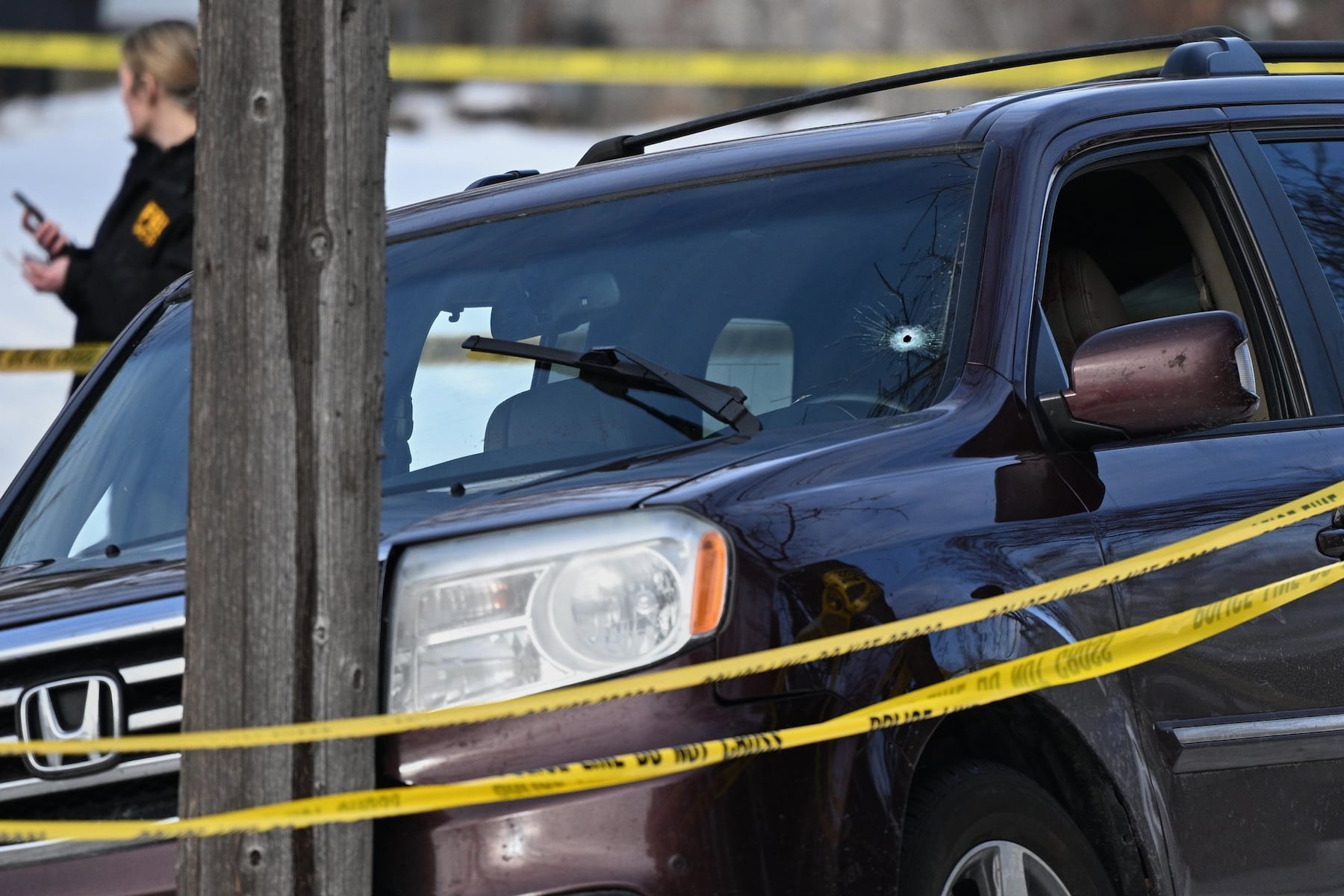
Minneapolis Mayor Jacob Frey criticized the actions of an Immigration and Customs Enforcement (ICE) officer who fatally shot a woman during an immigration enforcement operation. Frey described the incident, which unfolded in a residential area, as reckless and dismissed claims of self-defense put forth by federal officials. The shooting, which occurred on March 6, 2024, has intensified scrutiny on federal immigration practices in the Twin Cities.
During a news conference shortly after the incident, Frey expressed his outrage, stating, “They are not here to cause safety in this city. What they are doing is causing chaos and distrust.” He emphasized the negative impact of federal immigration enforcement, stating, “They’re ripping families apart. They’re sowing chaos on our streets and in this case quite literally killing people.” The mayor’s strong condemnation reflects growing discontent within the community regarding federal immigration policies.
The shooting incident reportedly happened when the woman, whose identity has not been disclosed, attempted to drive her vehicle at law enforcement officers during the crackdowns. According to Tricia McLaughlin, a spokesperson for the Department of Homeland Security (DHS), the operation involved more than 2,000 agents and was part of a larger immigration enforcement initiative linked to allegations of fraud among Somali residents in the area.
Tensions reached a boiling point as a crowd of demonstrators gathered at the scene of the shooting, vocally opposing the federal presence. Protesters chanted slogans such as, “Shame! Shame! Shame!” and “ICE out of Minnesota!” at local and federal law enforcement present, including Gregory Bovino, a senior U.S. Customs and Border Protection official known for leading similar operations in cities like Los Angeles and Chicago.
Following the shooting, Frey reiterated calls for ICE to cease operations in the city, stating, “We are demanding ICE leave the city and state immediately. We stand rock solid with our immigrant and refugee communities.” This incident has further strained relations between local authorities and federal immigration agencies, especially in light of the area’s recent history of civil unrest.
The neighborhood where the shooting occurred is located just south of downtown Minneapolis, near significant immigrant markets and within close proximity to the site of George Floyd‘s death in 2020. Rev. Hierald Osorto, a local pastor, reflected on the atmosphere of fear and anxiety within the community, noting, “We’ve been trying to live life as fully as possible in light of the fear and anxiety that we feel.”
In conjunction with the federal crackdown, DHS Secretary Kristi Noem confirmed that the agency had already made “hundreds and hundreds” of arrests since deploying additional officers to the Twin Cities. For nearly a year, local migrant rights advocates and community activists have been mobilizing in anticipation of intensified immigration enforcement, establishing networks to monitor federal activity and provide support to those affected.
On March 5, the Immigration Defense Network, a coalition dedicated to serving immigrants in Minnesota, conducted a training session for approximately 100 community members. They prepared participants to actively monitor and respond to federal enforcement operations, emphasizing the urgency of their mission. One participant, Mary Moran, expressed her determination, stating, “I feel like I’m an ordinary person, and I have the ability to do something so I need to do it.”
As the situation continues to evolve, the community remains on high alert, grappling with the implications of federal immigration policies and their impact on local residents. The recent shooting has become a flashpoint for discussions about law enforcement practices and their effect on immigrant populations in the Twin Cities.