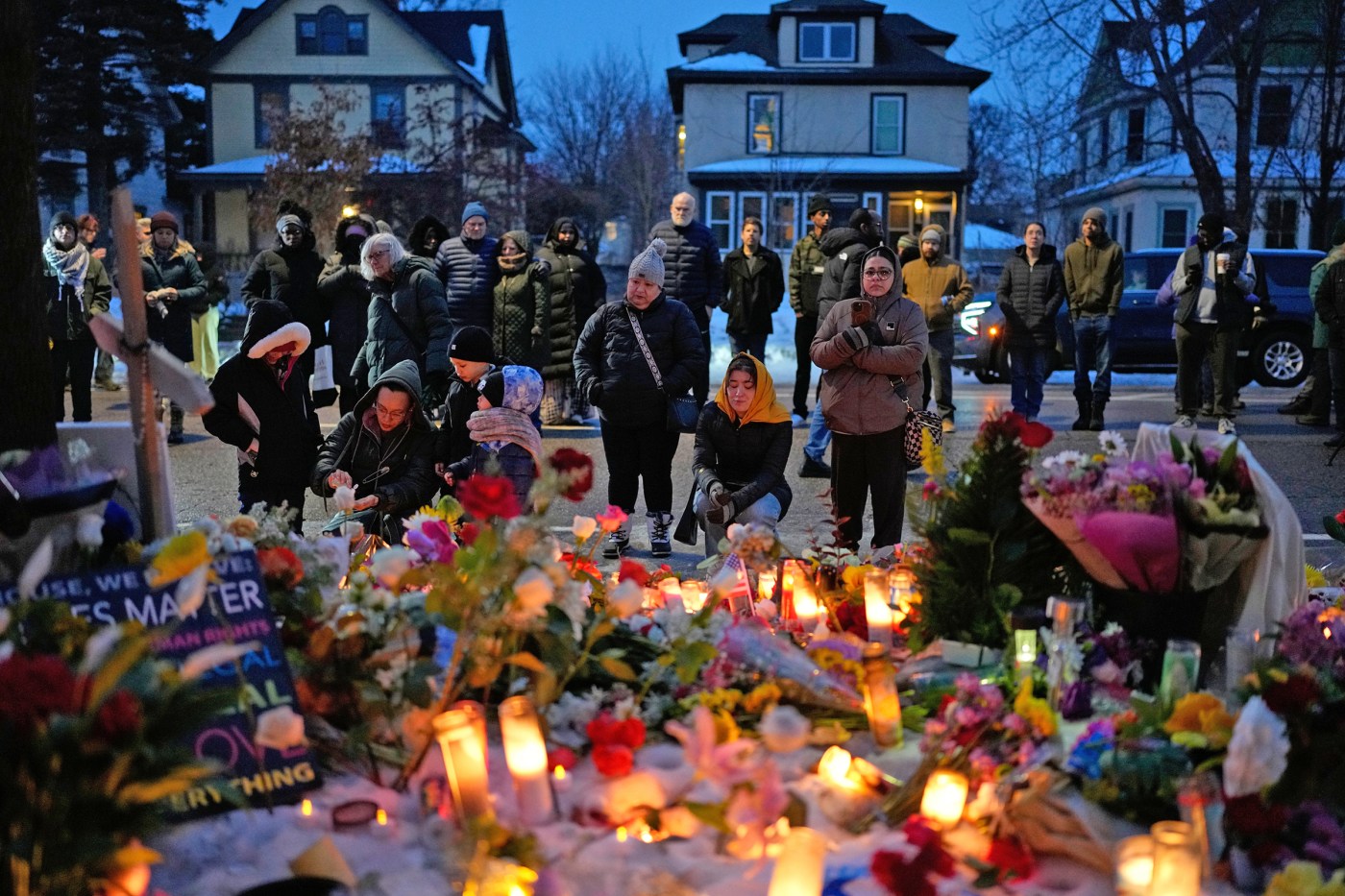
The recent shootings of Renee Good and Alex Pretti in Minneapolis have ignited significant concerns regarding police accountability and public trust in law enforcement. These incidents, particularly involving federal agents, are perceived as a critical test of the system’s willingness to hold officers accountable for their actions.
For many, the longstanding issue of police misconduct has fostered a view of law enforcement as an institution that prioritizes self-protection over public service. This perception hampers community safety, as potential witnesses and victims may refrain from reporting crimes due to a lack of trust. The federal government’s handling of the investigations into Good’s and Pretti’s deaths risks deepening this cynicism, with retired law enforcement professionals calling for independent inquiries to ensure transparency.
Calls for Independent Investigations
Concerns have been raised regarding the lack of impartial oversight in these high-profile cases. Following the shootings, the FBI assumed full control of the investigations, effectively sidelining state and local authorities from accessing vital evidence and testimonies. Critics argue that this consolidation of power undermines the principles of transparency and accountability necessary for public confidence.
Statements from federal leaders, including Vice President J.D. Vance, DHS Secretary Kristi Noem, and President Trump, have been interpreted as attempts to exonerate the agents involved, rather than allowing for a thorough investigation. Their remarks have been criticized for framing the actions taken during these incidents as justified without waiting for an impartial assessment.
Retired officers emphasize that independent investigations are essential to validate or question the use of lethal force. They argue that a transparent review process serves to either confirm the agents’ decisions or highlight failures in adherence to established protocols.
Complexities of Use-of-Force Determinations
Determining the appropriateness of the force used in these incidents involves several nuanced considerations. Investigators must examine whether agents perceived an imminent threat at the moment force was deployed and whether alternatives were available that could have mitigated the situation. Factors like distance, movement, and the tactical choices made prior to the shooting should be scrutinized, as they directly relate to training and decision-making under pressure.
Moreover, it is crucial to evaluate whether the actions taken by the agents adhered to their own agencies’ use-of-force policies and broader policing standards. This includes assessing the commands issued, warnings given, and the timing of the shots fired. A rigorous investigation would reflect the necessary scrutiny that law enforcement is expected to uphold, distinguishing between justified actions and those that violate policy or law.
The perception that federal authorities have preemptively declared the outcome of the investigations raises concerns about the seriousness with which these questions will be addressed. This reality could further entrench public skepticism regarding the accountability of law enforcement agencies.
The ongoing scrutiny of these cases is indicative of a larger dialogue about police accountability across the United States. Observers are closely monitoring the outcomes, as they will have lasting implications for public trust and cooperation with law enforcement.
Retired law enforcement professionals, including Lt. Diane Goldstein, who is the executive director of the Law Enforcement Action Partnership (LEAP), and Thaddeus L. Johnson, a former police officer and current senior fellow at the Council on Criminal Justice, underscore that the repercussions of these incidents extend beyond Minneapolis. They highlight the need for a system that earns public trust through accountability, especially in cases that garner significant media attention.
The broader implications of these investigations could influence how communities perceive law enforcement and their willingness to engage with police in the future. As the situation unfolds, the demand for transparency and accountability remains a central theme in public discourse surrounding these critical issues.