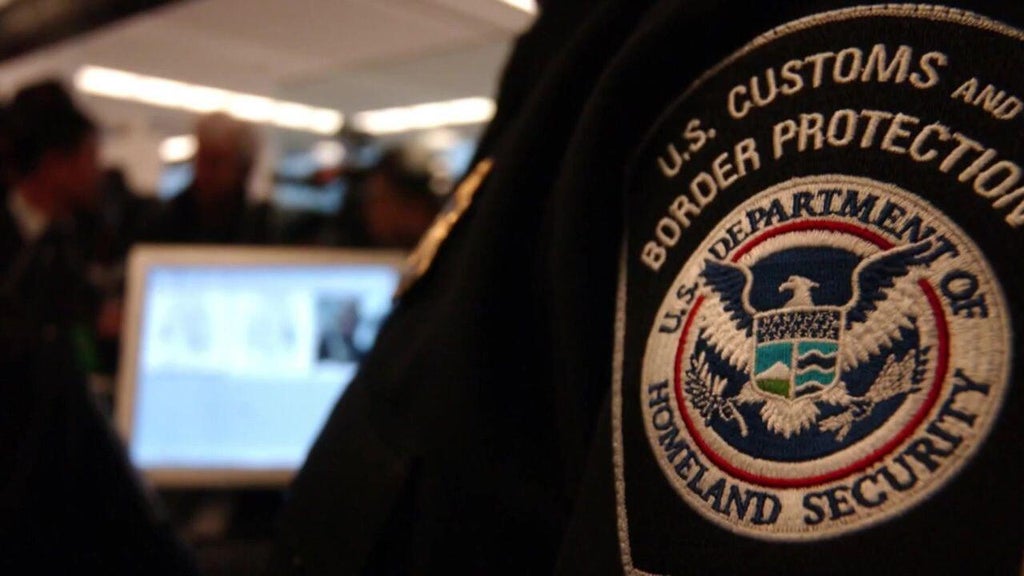
A recent incident involving the U.S. Immigration and Customs Enforcement (ICE) has intensified political tensions in New York, particularly among lawmakers representing vulnerable districts. In Minnesota, ICE agents fatally shot two American citizens, Renee Good and Alex Pretti, prompting significant backlash and a potential government shutdown as Congress approaches critical funding deadlines.
The ramifications of this chaotic immigration enforcement have sparked a reevaluation among New York lawmakers regarding their support for funding bills necessary to keep the government operational. With a deadline looming this weekend, Senate Minority Leader Chuck Schumer has made it clear that Senate Democrats will oppose any funding bills that include allocations for the Department of Homeland Security (DHS). Schumer expressed his outrage during an interview with CBS News, stating, “I felt like I was punched in the stomach. I looked at those pictures, those videos, over and over again and said this can’t be America. This is some kind of fascist dictatorship.”
The potential for another government shutdown looms large, threatening not only economic stability but also the political future of lawmakers in swing districts. As the midterm elections approach, members of Congress are acutely aware of the impact that public sentiment can have on their re-election campaigns.
In response to the escalating situation, Mike Lawler, a Republican representative from the lower Hudson Valley, has called for a bipartisan approach to immigration reform. “There’s gotta be a de-escalation here,” Lawler stated, advocating for common-sense solutions such as securing the border and establishing a legal pathway for long-term undocumented residents. Lawler’s district is a key target for Democrats seeking to reclaim control of the House.
Many lawmakers are attempting to distance themselves from ICE’s controversial actions. Rep. Tom Suozzi of Long Island has publicly acknowledged his misstep in supporting the DHS funding, stating in an email to constituents, “I failed to view the DHS funding vote as a referendum on the illegal and immoral conduct of ICE in Minnesota. I hear the anger from my constituents, and I take responsibility for that.”
In the wake of these events, Laura Gillen and other local representatives have also faced backlash for their initial support of the funding bill. Their decisions to break from party lines have stirred concern among constituents, prompting calls for accountability and transparency.
As lawmakers navigate this complex political landscape, the interplay between public opinion and legislative action remains crucial. The situation underscores the delicate balance that representatives must maintain between party allegiance and the expectations of their constituents, particularly as the nation approaches the November elections.
While the immediate focus is on the funding bills, the broader implications of ICE’s actions in Minnesota are reverberating throughout the political landscape. With time running short, lawmakers are under pressure to address the concerns of their constituents and respond to the calls for meaningful immigration reform.