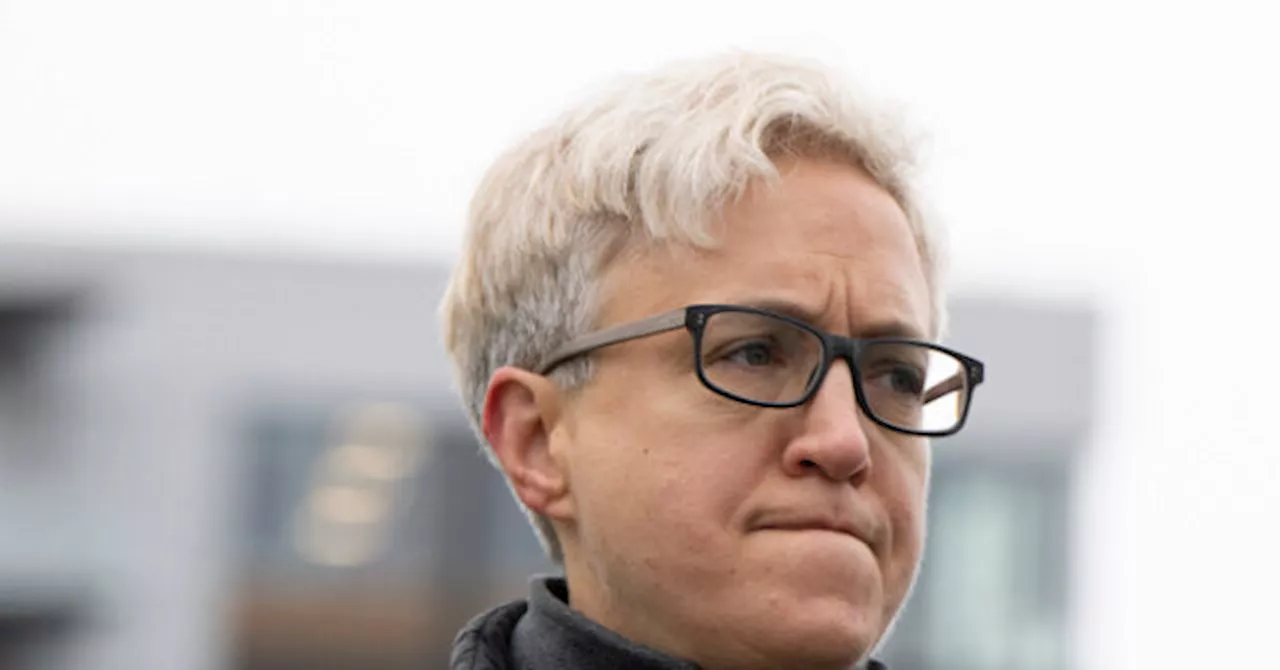
Oregon Governor Tina Kotek has announced a commitment to investigate and potentially prosecute federal immigration agents operating in the state. This decision stems from concerns regarding alleged “violent actions” and the use of “excessive force” by these agents while enforcing immigration laws. Governor Kotek’s statement marks a significant stance against federal practices that have drawn criticism for their handling of protests and community interactions.
The governor’s remarks were made during a press conference on March 1, 2024, where she emphasized the need for accountability in law enforcement. “We must ensure that every action taken by those enforcing our laws respects the rights and dignity of all individuals,” Kotek stated. Her comments reflect a broader sentiment among some community leaders and residents who feel that federal agents have overstepped their authority.
Concerns Over Federal Conduct
This initiative follows a series of incidents that have raised alarm among local activists and lawmakers. Reports from various community organizations suggest that the actions of federal agents during protests have often escalated tensions rather than diffusing them. These accounts include allegations of physical confrontations and intimidation tactics, leading to a growing demand for oversight and reform.
Kotek’s administration plans to collaborate with local law enforcement and civil rights organizations to investigate these claims thoroughly. “We will not stand by while our communities are subjected to undue violence and intimidation,” she asserted. The governor’s pledge aligns with her broader policy goals of promoting justice and equity within Oregon.
The proposed investigation could set a precedent for other states grappling with similar issues related to federal immigration enforcement. If successful, it may encourage more states to evaluate their own interactions with federal agents and foster a dialogue about the appropriate boundaries of law enforcement.
Next Steps and Community Impact
As the investigation unfolds, Governor Kotek has called on residents to report any incidents involving federal agents that they believe warrant scrutiny. This grassroots approach aims to empower community members and ensure their voices are heard in this critical discussion.
The implications of this investigation extend beyond Oregon. It may influence national conversations about immigration enforcement and the balance between federal authority and state rights. Local advocacy groups have expressed hope that Kotek’s actions could lead to meaningful reforms in federal practices, particularly concerning how agents engage with vulnerable populations.
In the coming weeks, updates on the investigation are expected to clarify the specific mechanisms for accountability. Governor Kotek’s commitment to transparency throughout this process will be crucial for building trust within the community and addressing the concerns raised by various stakeholders.
The effectiveness of this initiative will ultimately depend on the cooperation between state authorities and federal agencies, as well as the willingness of communities to engage in dialogue about their experiences. As Oregon navigates this complex issue, the outcome will likely resonate across the United States, shaping future policies on immigration and law enforcement practices.