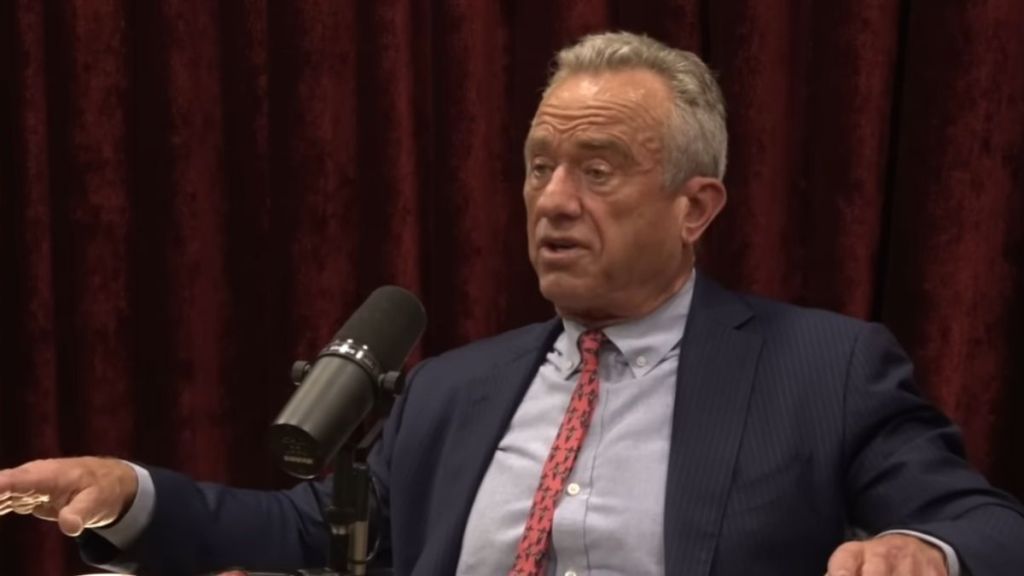
Robert F. Kennedy Jr., the United States Secretary of Health and Human Services, expressed his dissatisfaction with President Donald Trump’s recent executive order supporting glyphosate, a controversial herbicide. During an interview on The Joe Rogan Experience, Kennedy conveyed his concerns about the decision, highlighting potential health risks associated with the chemical.
Concerns Over Glyphosate
Kennedy stated that he was “not particularly happy” with the executive order, which aims to bolster protections for pesticide manufacturers. While he refrained from outright condemnation, his remarks indicated a significant shift from previous defenses of the administration’s policies. “It’s not a good thing to have in your food,” he said, reflecting a more cautionary stance.
The health secretary has long been an advocate for reducing the use of pesticides and chemicals in food production. Yet, he finds himself balancing his public health advocacy with the political realities of working within the Trump administration, where priorities may not always align with his views. Kennedy acknowledged the complex economic implications of suddenly banning glyphosate, stating, “If you ban glyphosate overnight, or if you got rid of it … it would destroy the American food system.”
Political Backlash and Public Perception
Trump’s executive order has sparked criticism from various advocacy groups, particularly the MAHA movement, which had anticipated a stronger stance on food safety from Kennedy. Supporters of this movement argue that glyphosate is linked to serious health risks, including cancer. Thousands of lawsuits have been filed against manufacturers, including Bayer, which acquired Roundup from Monsanto. Despite these claims, Bayer maintains that glyphosate is safe and has recently reached a settlement with plaintiffs regarding related lawsuits.
In contrast to his candid remarks on Rogan’s podcast, Kennedy had previously shown support for Trump’s executive order on social media, stating, “I support President Trump’s Executive Order to bring agricultural chemical production back to the United States and end our near-total reliance on adversarial nations.” This duality in Kennedy’s messaging highlights the challenges he faces as a public health official navigating an administration with differing perspectives on agricultural policy.
As the debate over glyphosate continues, Kennedy’s comments reflect a growing concern among health advocates regarding the safety of chemicals in the food supply. The ongoing discourse around agricultural practices and public health will likely influence future policy decisions and the administration’s approach to pesticide regulation.