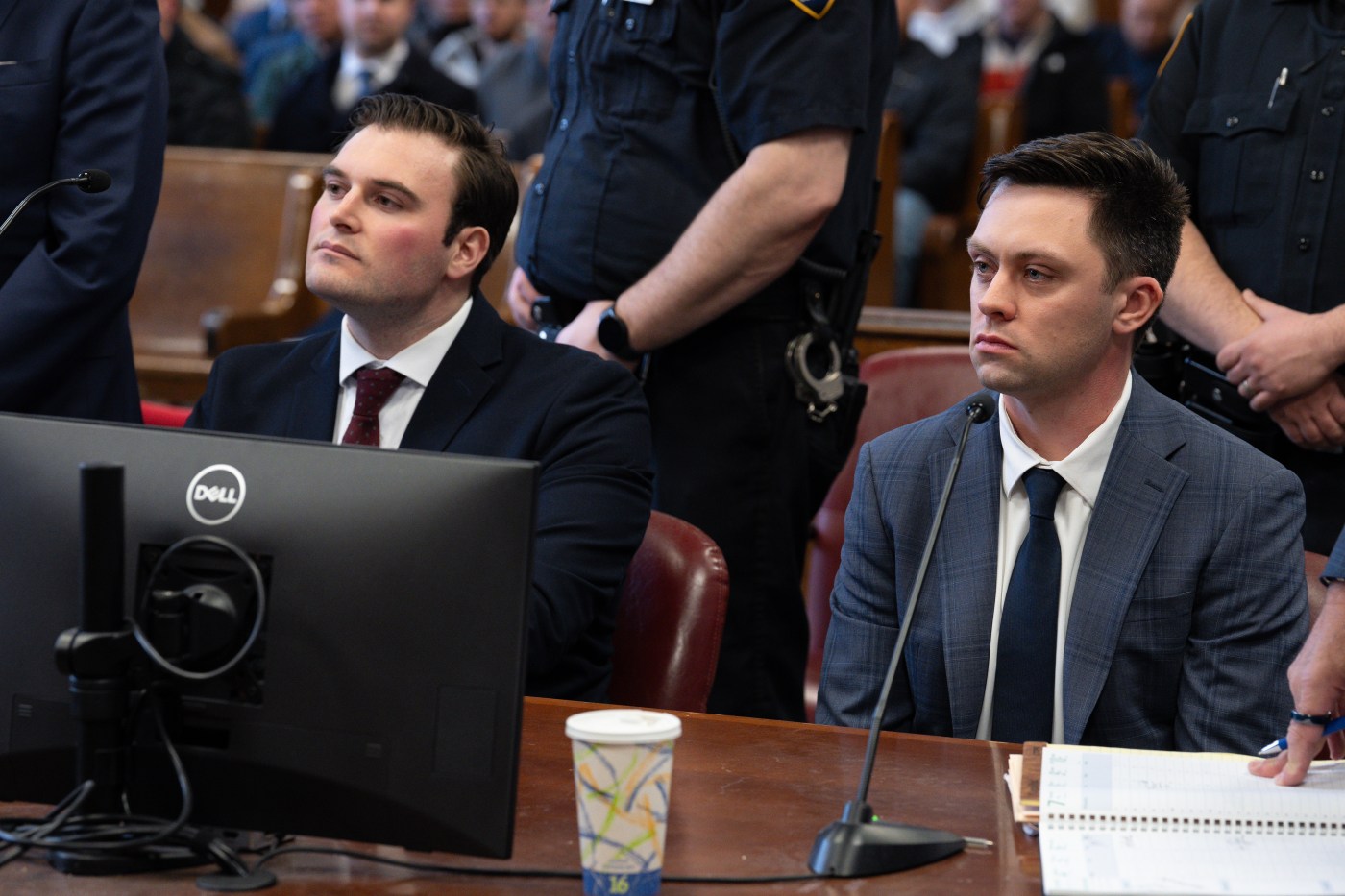
The Salem City Council has officially revoked the appointments of Kyle Hedquist to the Community Police Review Board and the Civil Service Commission following significant public backlash. Hedquist, who was convicted of murder in 1995, had been reappointed to these boards despite his criminal history, prompting scrutiny of the city’s appointment processes.
In a special meeting held on January 7, 2024, the council voted 6 to 2 to remove Hedquist from the boards, reversing a controversial decision made just weeks earlier. The December 8 vote to reappoint him had narrowly passed with a 5 to 4 majority, even though the Boards and Commissions Appointments Committee recommended leaving the police review board position vacant due to Hedquist’s past.
Hedquist’s conviction stemmed from the murder of Nikki Thrasher, a 19-year-old he feared would report him to law enforcement for hiding stolen property at her residence. After serving nearly 28 years in prison, his sentence was commuted by then-Governor Kate Brown, who cited his rehabilitation and good behavior. Upon his release, Hedquist became a policy associate with the Oregon Justice Resource Center, advocating for criminal justice reform.
The controversy intensified after it was revealed that background checks had not been conducted on members of the advisory boards and commissions. As a result, the council was unaware of Hedquist’s criminal history when considering his reappointment. Meeting records indicate that council members lacked guidance on which criminal convictions would disqualify candidates or what standards should govern appointments to sensitive public safety roles.
The backlash against Hedquist’s appointment included criticism from the Salem Police Employees Union and the Salem Professional Fire Fighters Local 314. These organizations accused city leaders of eroding public trust by allowing a convicted murderer to serve on boards advising police and fire leadership. They launched a campaign urging residents to contact their council members in protest.
During the January 7 meeting, emotions ran high as hundreds of written testimonies were submitted, and residents addressed the council. Councilor Deanna Gwyn expressed regret for supporting Hedquist’s appointment, stating she would have voted differently had she known about his conviction. Holding up a photo of Thrasher, she read a note from the victim’s high school best friend, underscoring the community’s pain.
Hedquist spoke candidly, reflecting on the consequences of his actions. “For 11,364 days, I have carried the weight of the worst decision of my life,” he stated, acknowledging the enduring impact of Thrasher’s death on his life. His wife revealed that their family had received death threats following the national attention the controversy garnered.
The council’s decision also marked a shift in the city’s governance policies. It adopted new standards requiring all applicants to the Community Police Review Board and the Civil Service Commission to undergo criminal background checks. Under these guidelines, anyone convicted of a violent felony will be disqualified from serving on these boards.
Additionally, the council has reserved at least one seat on the Community Police Review Board for a person with personal experience as a victim of felony crime, aiming to ensure diverse perspectives in police oversight. The background check requirements have been extended to all city boards and commissions, aligning the vetting process with that required for other city employees and volunteers.
Mayor Julie Hoy, who opposed Hedquist’s reappointment in December and supported its revocation, emphasized that her stance was based on governance and public trust rather than political considerations. “Wednesday night’s meeting reflected the level of concern many in our community feel about this issue,” Hoy remarked, stressing the importance of maintaining public confidence through sound governance practices.
Councilor Brad Brown condemned the death threats and the creation of a website targeting council members who supported the original appointment, describing the incident as a low point for civic discourse. “I thought we were better than this,” he said, calling for a return to respectful dialogue in community matters.
The council’s actions have not only addressed the immediate concerns surrounding Hedquist’s appointment but have also led to significant reforms in how the city approaches the selection of individuals for advisory roles related to public safety.