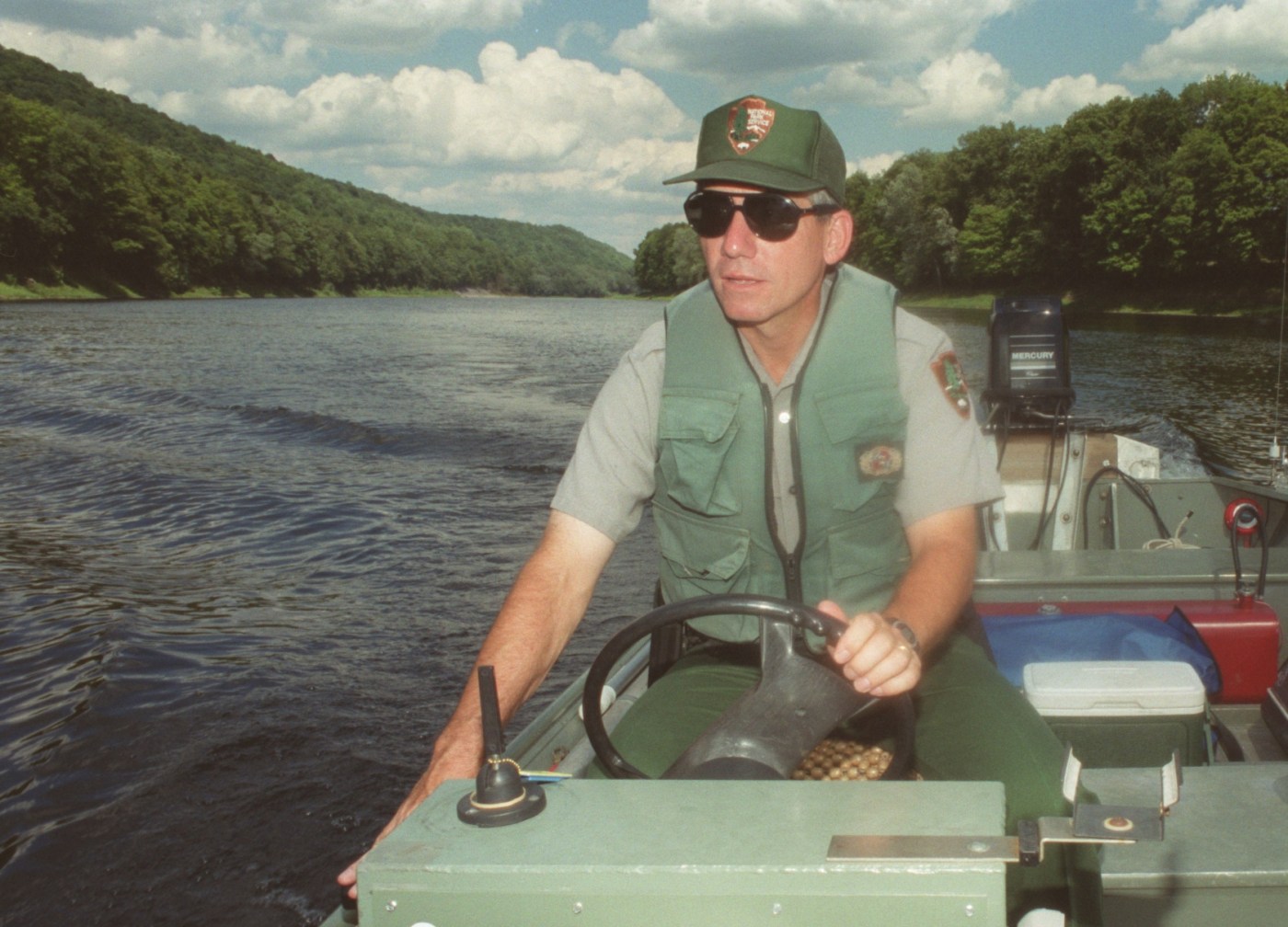
President Donald Trump’s administration is facing growing criticism for its impact on the United States’ national parks. Established by President Ulysses S. Grant on March 1, 1872, Yellowstone marked the beginning of a legacy that has expanded to include 423 national parks, monuments, and historic sites. However, under the current administration, significant reductions in funding and staffing have raised concerns about the future of these treasured landscapes.
In recent months, national parks have seen a wave of operational cutbacks. Visitors have encountered closed campsites, cancelled educational programs, and limited access to visitor centers. These disruptions began even before the recent government shutdown, suggesting a systematic dismantling of a national pride that has attracted over 325 million visitors annually.
The National Park System has experienced profound changes since President Trump began his second term. Reports indicate that personnel numbers have drastically decreased, operational budgets have been slashed, and environmental protections have been rolled back. The cuts were first proposed by the Heritage Foundation as part of their Project 2025, which aims to overhaul government operations. Implemented by Elon Musk and his Department of Government Efficiency, these actions have resulted in thousands of public servants being let go.
One of the most alarming proposals comes from Doug Burgum, the Secretary of the Interior, who oversees the national parks. His plan could lead to the elimination of budgets and staffing for up to 350 park sites across the country. If enacted in Pennsylvania, smaller parks, such as the Johnstown Flood National Memorial and Steamtown National Historic Site, may face closure.
Pennsylvania’s parks are already grappling with significant maintenance backlogs. The Gettysburg National Military Park alone has a backlog of $92 million and has seen crucial construction projects suspended or cancelled. The roads need urgent safety upgrades, and historic buildings require repairs to meet code standards. Without intervention, parts of this iconic site risk falling into disrepair.
The Delaware Water Gap National Recreation Area, a natural treasure that draws more than four million visitors annually, has also felt the effects of budget cuts. The park not only offers recreational opportunities like hiking and kayaking but also generates approximately $164 million for local businesses in the Pocono Mountains region. If funding continues to dwindle, the economic consequences for local communities could be severe, leading to job losses for thousands of workers.
Moreover, the President’s House Site at Independence National Historical Park serves as a poignant reminder of America’s complex history. It memorializes the lives of nine enslaved individuals who lived there during George Washington’s presidency. Recent directives from the Trump administration have prompted calls to revise the historical narrative, leading to concerns about erasing significant aspects of the nation’s past. By altering such narratives, the administration risks undermining the very ideals upon which the United States was founded.
The legacy of funding cuts, employee dismissals, and altered historical accounts could have long-lasting effects on public lands. Critics argue that the damage inflicted during President Trump’s term may take years to rectify.
Citizens are encouraged to take action by contacting their congressional representatives, including Senators John Fetterman and Dave McCormick, advocating for the protection of national parks. Additionally, visiting nearby parks and engaging with rangers can bolster community support for preserving these vital spaces.
As the future of America’s national parks hangs in the balance, public advocacy may play a crucial role in safeguarding these cherished sites for generations to come.