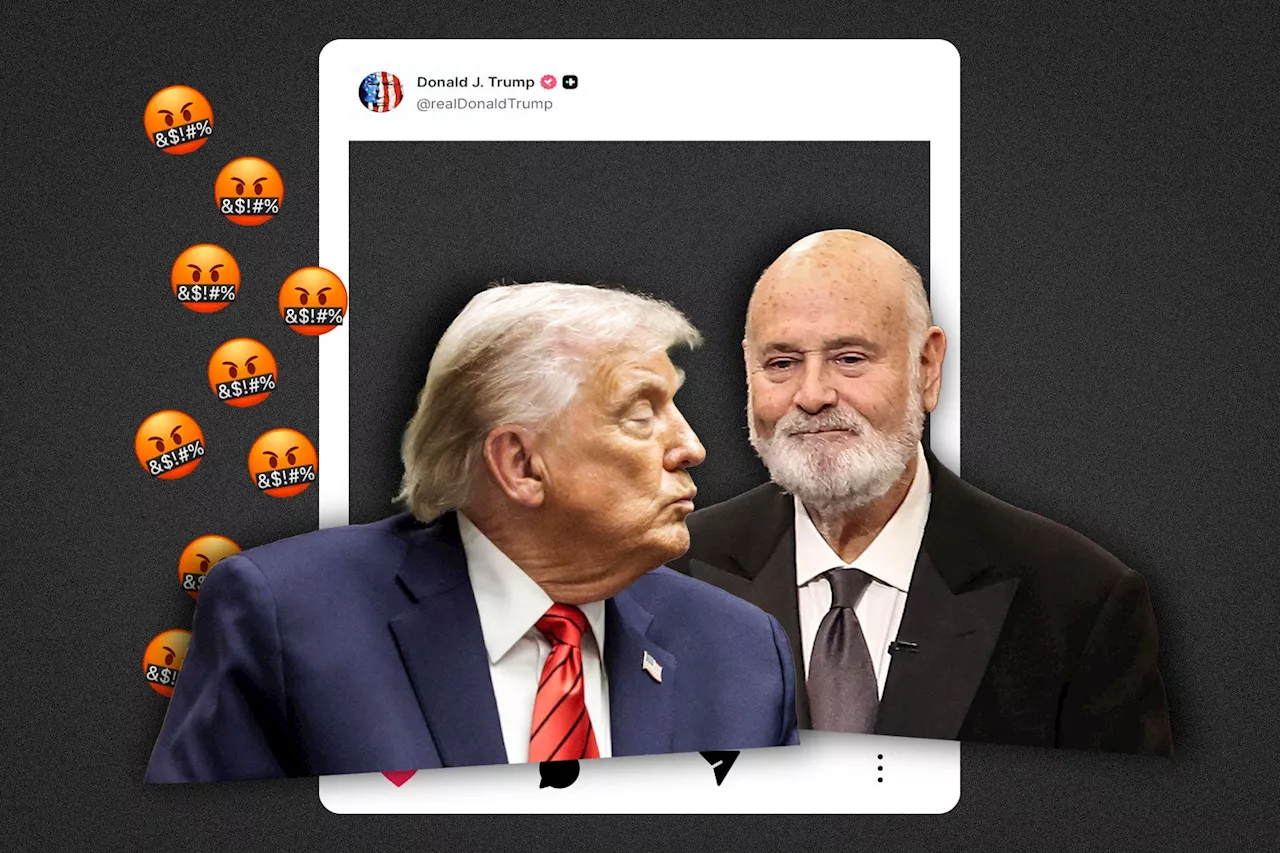
Donald Trump has faced a wave of criticism from within the Republican Party following a contentious social media post regarding director Rob Reiner. In the post, Trump insinuated that Reiner’s disdain for him led to a tragic outcome. This incident marks a notable shift in how party members are engaging with the former president’s remarks.
While Trump’s influence over the Republican Party has remained resilient through various challenges, including political setbacks and a global pandemic, the backlash to his recent comments indicates a changing dynamic. Prominent voices within the party, including members of Congress, have publicly denounced Trump’s remarks. For example, Republican Representative from Oklahoma, Josh Bice, tweeted, “A father and mother were murdered at the hands of their troubled son. We should be lifting the family up in prayer, not making this about politics.”
This proactive criticism is significant, considering many Republican lawmakers have previously avoided commenting on Trump’s controversial statements. A seasoned party operative, who requested anonymity, noted, “Trump rules by fear,” but suggested that party members are increasingly less intimidated by potential political fallout from challenging him.
The recent criticism follows Trump’s unsuccessful effort to rally support from Indiana state senators for a gerrymandering proposal aimed at limiting Democratic representation. Notably, a majority of Republican senators opposed his initiative, despite threats of primary challenges. This failure underscores a growing willingness among Republicans to distance themselves from Trump’s more polarizing positions.
Moreover, the current political climate, marked by recent violent events, has diminished enthusiasm for Trump’s aggressive rhetoric. After high-profile incidents, including a mass shooting at Brown University and a terrorist attack in Bondi Beach, Australia, there appears to be little appetite for inflammatory comments, particularly those that could be viewed as insensitive.
As Republicans navigate these changes, it is clear that Trump’s once-unchallenged authority is beginning to wane. His approval ratings have dipped to near-record lows, and the party’s performance in recent elections has raised questions about his continued dominance. While Trump remains a formidable figure, his endorsement still holds significant weight in Republican primaries, the landscape is evolving.
Despite the backlash, Trump doubled down on his comments, labeling Reiner as “a deranged person” during a subsequent statement on Monday afternoon. This insistence on divisive rhetoric may further alienate some party members, as they weigh the implications of supporting or opposing him.
In summary, while Donald Trump’s influence remains substantial, the recent criticism from Republican lawmakers suggests a shift in the party’s dynamics. As members become more willing to speak out against his controversial remarks, the future of Trump’s role within the Republican Party may be less secure than it once appeared.