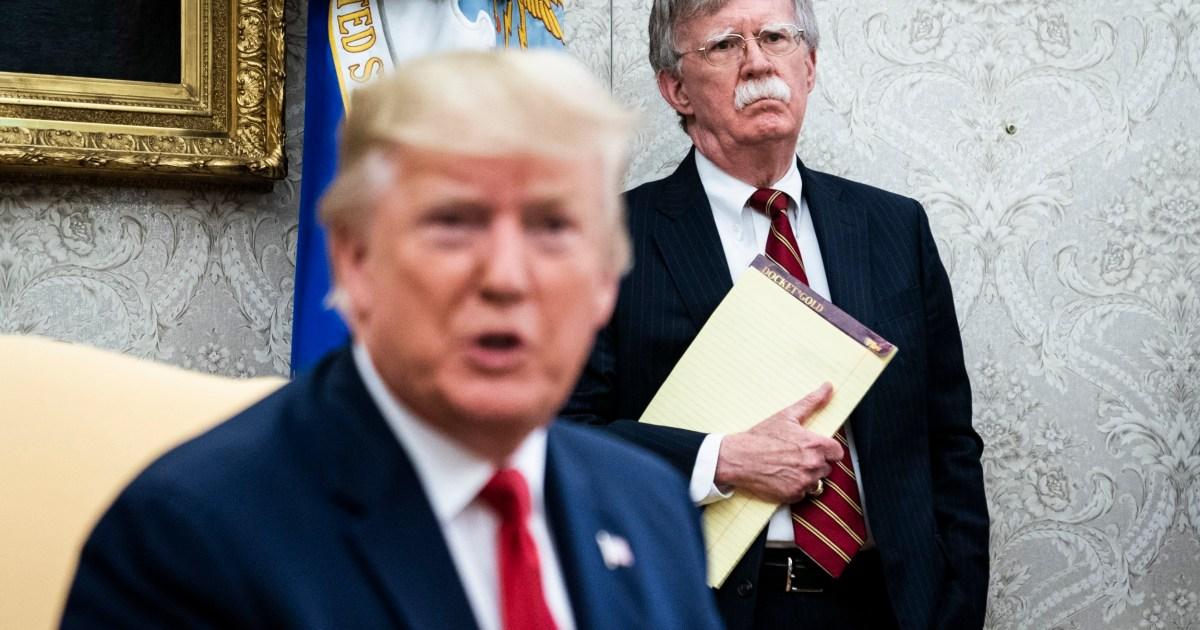
Former National Security Advisor John Bolton has expressed serious concerns regarding President Donald Trump‘s handling of the escalating conflict in Iran. In an interview, Bolton described Trump as being in a “vulnerable position” and indicated that the President may lack a clear strategy for extricating the United States from the ongoing military engagements.
The conflict intensified after the United States, in coordination with Israel, launched joint strikes on February 28, targeting Iranian missile infrastructure and military installations. Since then, the situation has spiraled, resulting in chaos within the oil sector, missile attacks on neighboring countries, and the loss of at least 13 US soldiers.
Bolton noted that public support for the intervention remains low, with only 41% of Americans approving of the military actions—making it one of the least supported conflicts in recent U.S. history. Trump initially justified the strikes by claiming he aimed to prevent an imminent attack from Iran, stating, “I think they were going to attack first… and I didn’t want that to happen.”
Bolton’s Insights on Regime Change
Bolton emphasized the need for clear communication from Trump regarding the purpose of military actions in Iran. He argued that while there may be a strong case for regime change, Trump has failed to effectively convey this to the American public and Congress. “By failing to make the case, he has put himself in a vulnerable position,” Bolton remarked, stressing that time is running out for the administration to articulate its goals clearly.
According to Bolton, the conflict is a “preventive war” aimed at thwarting Iran’s potential development of weapons of mass destruction. He cautioned against the dangers of waiting too long to act, referencing historical precedents, such as the U.S. involvement in North Korea. “If a proliferator has enough patience and gets nuclear weapons, it becomes difficult, if not impossible, to take its program out without grave risk,” he stated.
The Role of Iran’s Opposition Movement
Bolton highlighted the significance of Iran’s opposition movement, which he described as widespread yet disorganized. He noted that current dissatisfaction with the Iranian regime is at an all-time high. “People age 30 and under—who make up two-thirds of the population—know they could have a different life,” he said. This demographic has witnessed the impact of Western lifestyles and aspirations through social media and other channels.
The protests following the death of Mahsa Amini in 2022, which sparked the “Women, Life, Freedom” movement, underscore a growing challenge to the legitimacy of the Iranian government. Bolton argued that challenging the Ayatollahs is tantamount to challenging the state itself.
As the conflict continues, Gulf states remain on high alert. Iranian missile and drone strikes have already resulted in civilian casualties, with many of the victims being migrant workers. In response, President Trump has called on allies, including China, France, Japan, and the UK, to send warships to secure the Strait of Hormuz.
Trump’s administration faces increasing pressure as it navigates these turbulent waters, with threats from Iran to target U.S.-linked economic infrastructure if its own oil facilities come under attack. As the situation develops, the implications for regional stability and U.S. foreign policy remain significant.