Tucker Carlson, the former host of “Tucker Carlson Tonight” on Fox News, has become a polarizing figure, especially regarding his views on Israel. His recent engagements, including an interview with Cenk Uygur, founder of the left-leaning YouTube channel The Young Turks, have fueled speculation about his political aspirations and motivations. Uygur referenced Israel over 110 times during their conversation, highlighting Carlson’s growing fixation on the country.
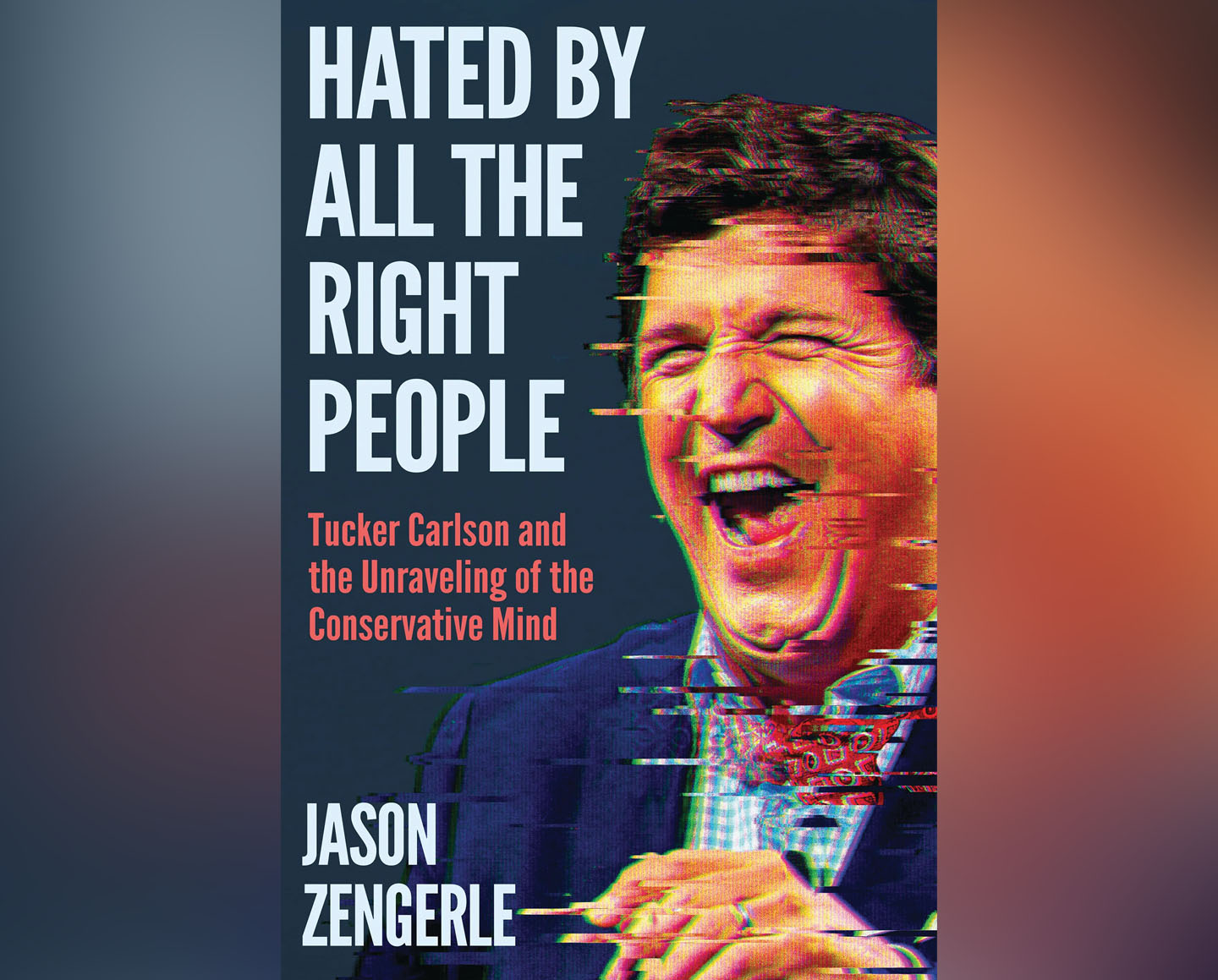
In a newly released biography, “Hated By All The Right People: Tucker Carlson and The Unraveling of The Conservative Mind,” author and journalist Jason Zengerle delves into Carlson’s complex persona. Zengerle, known for his work in The New York Times Magazine and The New Yorker, explores Carlson’s tumultuous career, from his battles with alcoholism to his meteoric rise in cable news. Despite his success, Carlson’s exit from Fox in April of 2023 remains shrouded in mystery, particularly following the network’s $787 million settlement with Dominion Voting Systems.
The biography reveals that Carlson’s controversial rhetoric has evolved since his tenure at Fox. Zengerle notes that Carlson was able to express views that others at the network might not have dared to share. “He was definitely getting away with things at Fox no one else got away with,” Zengerle stated. The author suggests that Carlson’s departure may have enabled him to express his opinions more freely, particularly regarding Israel and its role in global politics.
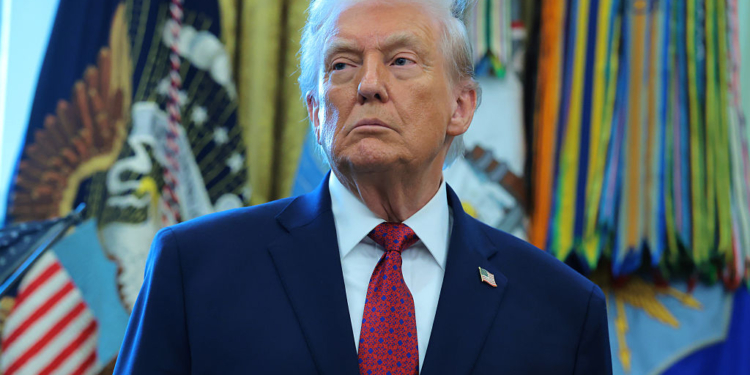
In the context of U.S.-Iran relations, Carlson’s influence on former President Donald Trump is noteworthy. Zengerle points out that during discussions about military action against Iran, Carlson’s private counsel was often overshadowed by the prevailing narratives on Fox News. “Trump called him kooky and said to let him get his own TV show,” Zengerle explained, highlighting the challenges Carlson faced in advocating for a more restrained foreign policy.
While some speculate that Carlson’s stance on Israel may be influenced by foreign interests, Zengerle did not find credible evidence to support claims that Carlson is financially backed by Qatar. Despite his boastful comments about purchasing a home there, Zengerle contends that many of Carlson’s supporters may not have fully grasped the implications of his statements.
The biography also addresses Carlson’s relationships with colleagues and friends, revealing that he did not exhibit anti-Israel sentiments before 2020. Zengerle cites Carlson’s frustration with neoconservative figures, many of whom are Jewish and advocate for Israel, suggesting that his criticism may stem from a sense of betrayal over the Iraq War.
Carlson’s personal life adds another layer to his public persona. Raised primarily by his father after his parents’ divorce, Carlson’s relationship with his mother was strained, culminating in her leaving him only $1 in her will. His marriage to Susie Andrews, the daughter of a priest, reflects a more stable aspect of his life, contrasting with his tumultuous career path.
Zengerle acknowledges Carlson’s strengths, including his writing ability and charisma, but also warns of his potential pitfalls. “He’s always trying to see how far he can take things,” Zengerle remarked, suggesting that Carlson’s desire for audience engagement could lead him to cross ethical lines.
The question of whether Carlson harbors ambitions for the presidency remains open. Zengerle cites an incident from 2004 when comedian Jon Stewart confronted Carlson on “Crossfire,” an event that has lingered in Carlson’s memory and contributed to his resentment towards the media establishment. Zengerle speculates that while Carlson may not run for president in 2028, his close ties with political figures like Vice President JD Vance could position him as a significant influencer in future campaigns.
Reflecting on Carlson’s role within the Republican Party, Zengerle notes that Carlson was instrumental in Trump endorsing Vance for the Ohio Senate and potentially for a future vice-presidential bid. The dynamics between Carlson and Vance could shape the political landscape moving forward.
When asked what he would want to know from Carlson if given the chance, Zengerle expressed curiosity about Carlson’s complex relationship with Israel. “What’s your deal with Israel?” he said would be his question, emphasizing the public interest in understanding Carlson’s motivations.
As Carlson continues to garner attention for his provocative views and conspiracy theories, Zengerle cautions against underestimating his influence. He acknowledges the potential for Carlson’s podcast to rival that of Joe Rogan, underscoring that Carlson is a figure who commands attention and should not be overlooked in contemporary political discourse.