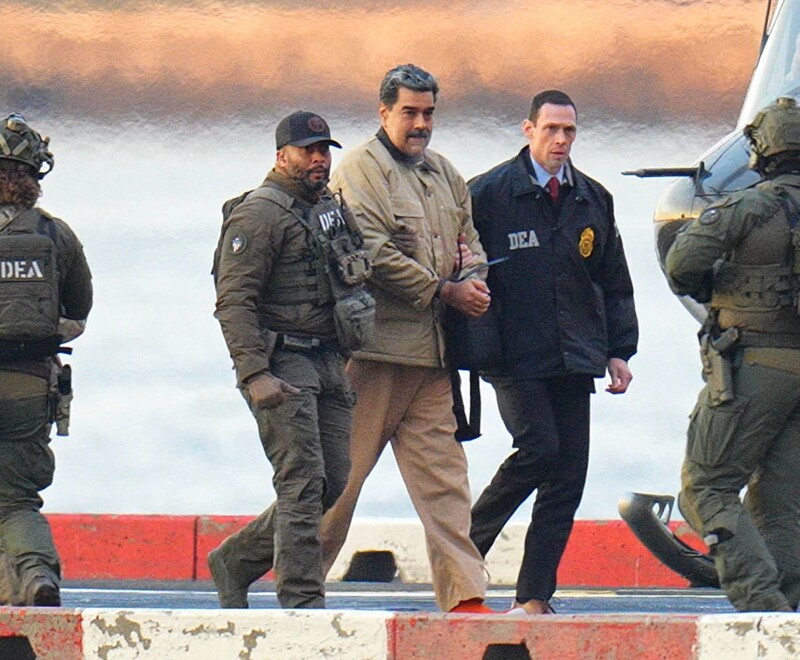
The recent escalation of U.S. military actions near Venezuela, including the downing of small boats and the seizure of oil tankers, has raised concerns about a potential military intervention aimed at ousting President Nicolás Maduro. Some officials in Washington view this as a strategic victory, but critics warn it may have dire consequences for both Venezuelan and American interests.
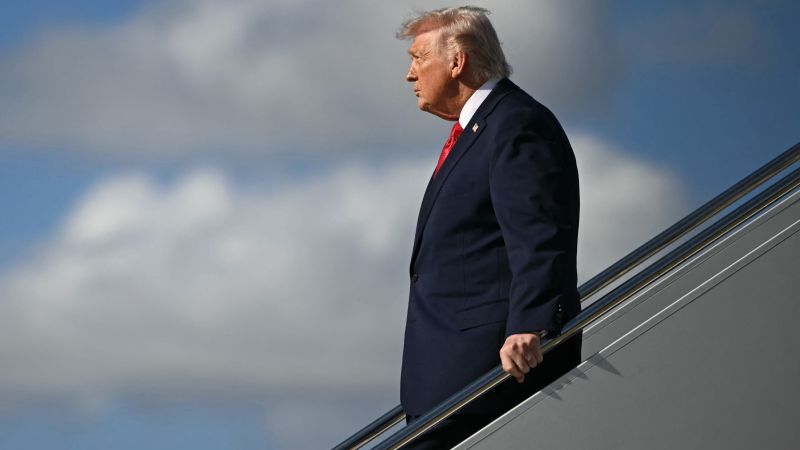
Over the past month, the U.S. administration has acknowledged covert operations in Venezuela, aligning with President Donald Trump‘s assertion that the U.S. will “run” the country until a suitable transitional government is established. This echoes past interventions, particularly in Iraq, where initial promises of a swift victory morphed into a protracted conflict that cost over $2 trillion and led to widespread instability.
The U.S. experience in Iraq serves as a cautionary tale. Administration officials once confidently predicted that removing Saddam Hussein would be straightforward and financially manageable, estimating costs between $50 billion and $100 billion. Ultimately, the financial and human toll was far greater, with the war resulting in a sectarian regime that struggled to maintain control, contributing to the rise of ISIS in 2014.
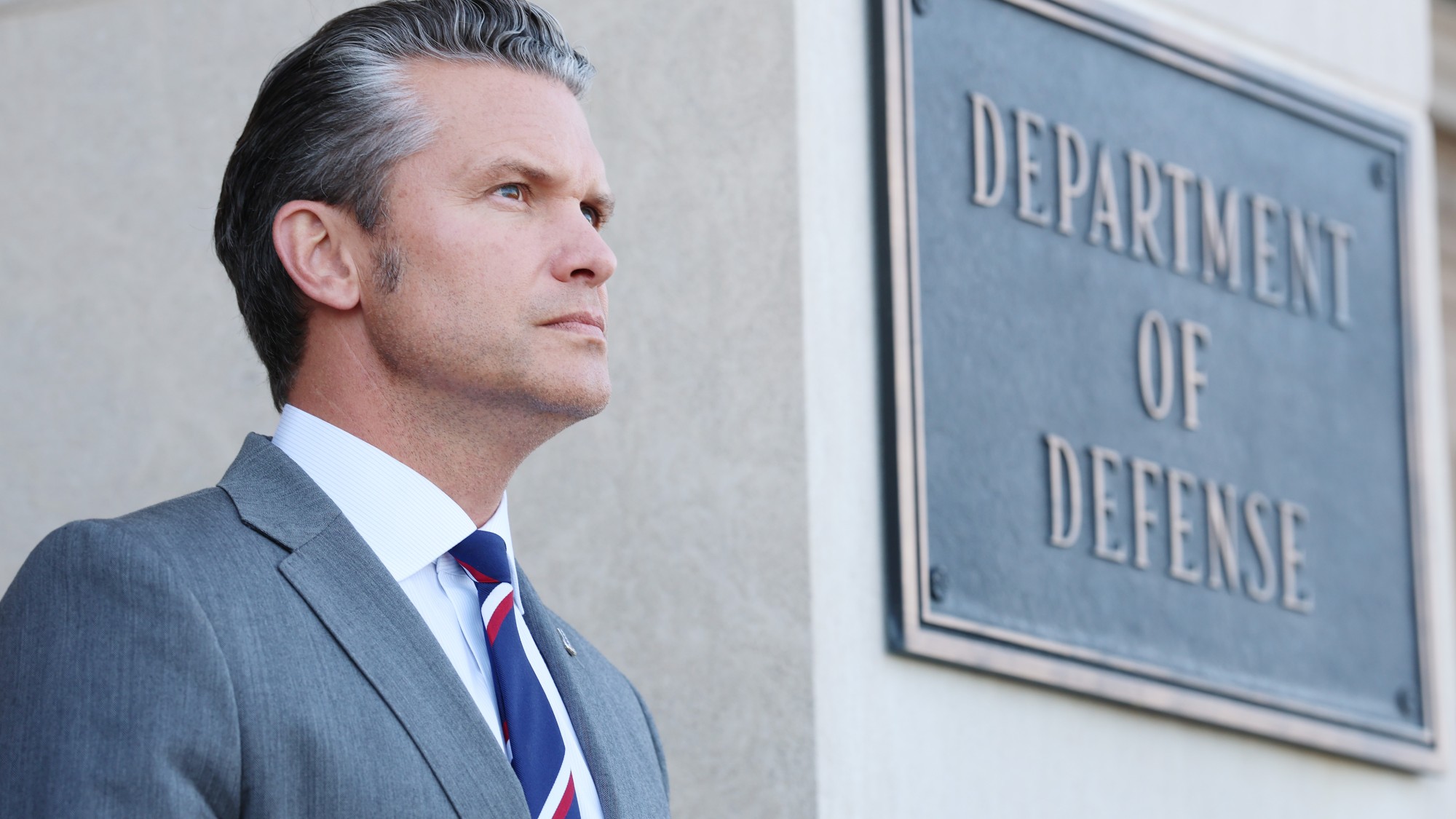
Moving forward, it is crucial for Congress and the public to scrutinize any further military actions proposed by Secretary of State Marco Rubio and President Trump. Efforts to expand military operations to neighboring countries, such as Colombia, or to leverage Venezuelan intervention as a precursor to actions against Cuba could escalate tensions in the region.
William D. Hartung, a senior research fellow at the Quincy Institute for Responsible Statecraft, emphasizes that foreign policy is not a mere strategic game. He points out that the consequences of military actions are unpredictable and often catastrophic. The U.S. incursions in Iraq and Afghanistan, which were also touted as “easy” conflicts, ultimately resulted in over $8 trillion in taxpayer expenses, countless civilian casualties, and significant physical and psychological injuries among veterans.
Reflecting on the words of President Dwight D. Eisenhower, who warned against the military-industrial complex, Hartung notes, “Every gun that is made… signifies, in the final sense, a theft from those who hunger and are not fed.” Eisenhower’s insights remain relevant today, prompting a critical examination of how U.S. resources are allocated.
The primary question now is what priorities will guide U.S. spending and policy. Engaging militarily in Latin America does not align with promoting safety and prosperity. Instead, it could exacerbate the very issues Eisenhower cautioned against over seventy years ago.
Hartung advocates for a shift in focus towards building a healthy, educated, and united citizenry, which he believes is essential for national security. Current policies, he argues, threaten to undermine these foundational pillars.
As discussions surrounding U.S. intervention in Venezuela continue, it is increasingly important for stakeholders to voice opposition to further military escalation. The potential fallout could reverberate for generations, affecting the safety and stability of both nations involved.
In conclusion, reevaluating foreign policy priorities now will be essential in avoiding the costly mistakes of the past. A measured approach that favors diplomatic engagement over military intervention could pave the way for a more secure future.