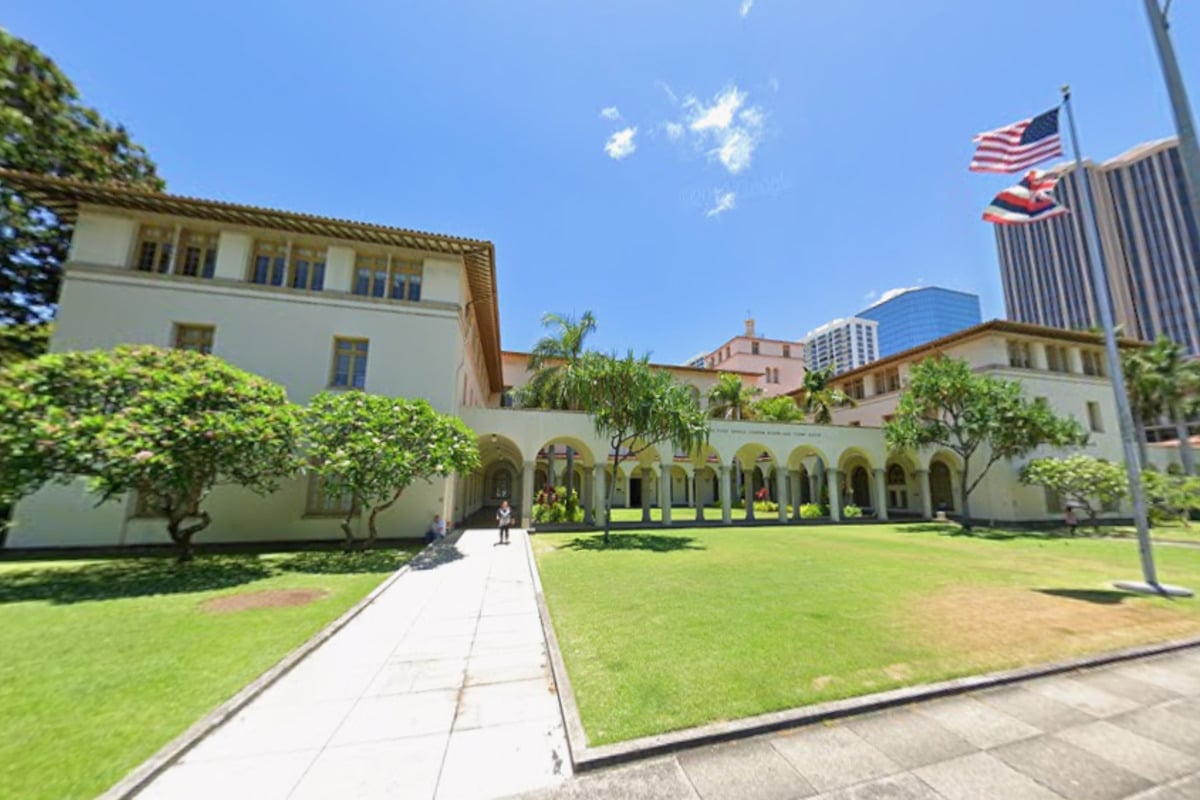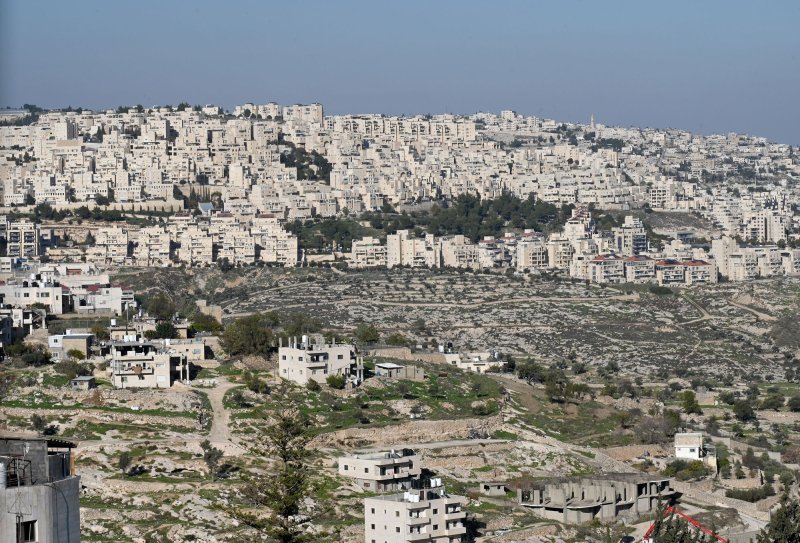
The United States will begin offering passport services in Israeli settlements within the West Bank, a move that is likely to attract significant criticism from various quarters. The U.S. Embassy in Jerusalem announced on February 26, 2025, that consular officers will provide routine passport services in Efrat, marking the first time such services will be available in these areas. The initiative is part of the embassy’s broader efforts to reach all American citizens, regardless of their location.
This decision has raised concerns among foreign governments, human rights advocates, and the Palestinian Authority, as it appears to legitimize Israel’s occupation of Palestinian territories. Efrat, established on April 10, 1983, is one of numerous settlements in the West Bank, which are widely considered illegal under international law. The U.S. Embassy indicated that additional outreach events are planned for other West Bank settlements as part of its “Freedom 250 initiative,” celebrating 250 years of U.S. independence.
The Palestinian Authority’s Colonization and Wall Resistance Commission condemned the initiative, stating that offering passport services in Israeli settlements constitutes a “clear violation of international law.” According to Minister Mu’ayyad Shaa’ban, this action breaches the Fourth Geneva Convention of 1949, which prohibits an occupying power from transferring parts of its civilian population to occupied territories. He emphasized that this step contradicts commitments to support a two-state solution, potentially undermining the establishment of a sovereign Palestinian state.
Hamas also criticized the U.S. decision, labeling it a “dangerous precedent.” The militant group warned of the implications of this action, especially given recent American statements perceived to encourage Israeli expansion in the region. They called for international pressure to halt what they describe as encroachment and aggression against Palestinian land.
Historically, the United States has viewed Israeli settlements as inconsistent with international law. However, under former President Donald Trump, the U.S. shifted its stance, recognizing Jerusalem as Israel’s capital and reversing previous policies concerning the legality of settlements. Trump’s 2020 peace plan proposed incorporating many of these settlements into Israeli territory, further solidifying their status.
Following this recent announcement, the Israel Foreign Ministry expressed gratitude towards the United States for extending consular services to American citizens in Efrat. The ministry referred to the West Bank by its Israeli administrative name, Judea and Samaria, and thanked the U.S. Embassy for strengthening ties between the two nations.
This development coincides with Israel’s recent actions to reclassify Palestinian land as state land, which has accelerated illegal settlement activity in the West Bank. In response, foreign ministers from 19 predominantly European countries issued a statement denouncing the extensions of Israeli control over the West Bank. They reiterated their rejection of measures aimed at altering the demographic and legal status of the territories occupied since 1967, including East Jerusalem.
As the situation evolves, the implications of the U.S. decision to offer passport services in Israeli settlements will likely resonate through diplomatic channels and international relations, particularly concerning the ongoing Israeli-Palestinian conflict.