The United States and Israel executed military strikes against Iran on October 7, 2023, marking a significant escalation in regional tensions. The first strike reportedly targeted locations near the offices of Iran’s Supreme Leader, Ayatollah Ali Khamenei, raising concerns about the implications of this aggressive move.
The coordinated attack comes as part of a broader strategy to counter perceived threats from the Iranian government. According to official statements, the strikes aim to dismantle military capabilities linked to Iran’s influence in the Middle East. Donald Trump, the former President of the United States, confirmed that the US has commenced what he termed “major combat operations” in the region.
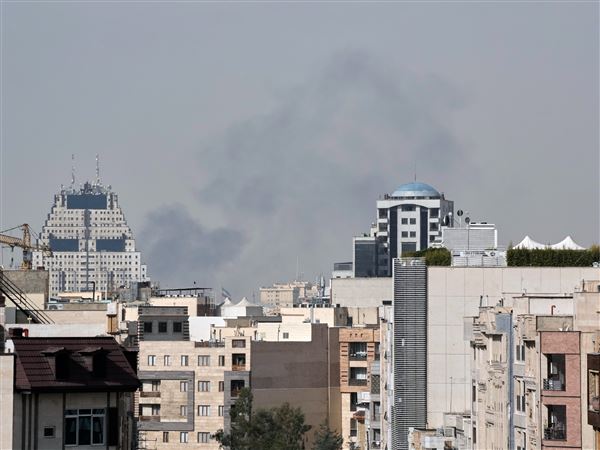
In the aftermath of the initial strikes, reports indicate that significant damage was inflicted on Iranian military infrastructure. Eyewitnesses described a series of explosions in Tehran, with local media outlets confirming the presence of military activity. The Iranian government has yet to provide a comprehensive response to the attacks, but officials have condemned the actions as violations of sovereignty.
International Reactions and Implications
The military actions have drawn varied reactions from the international community. Several nations have expressed concern over the potential for an escalation into a broader conflict. Analysts suggest that this military response could exacerbate existing tensions in the Middle East, particularly as Iran has vowed to retaliate against any aggression.
NATO and the European Union have called for restraint, urging both the US and Israel to reconsider their approach. A spokesperson for NATO emphasized the need for diplomatic channels to address grievances rather than military solutions. The situation remains fluid, with both sides bracing for possible further developments.
As the conflict unfolds, the implications for regional stability and global politics are significant. Observers note that the attacks may shift alliances and provoke responses from other nations involved in Middle Eastern politics. The ongoing hostilities serve as a reminder of the fragile balance in the region and the potential for widespread repercussions.
Domestic Impact and Future Strategies
Within the United States, the announcement of military operations has sparked a debate among lawmakers and political analysts. Some support the strikes as a necessary measure to protect national interests, while others criticize the lack of a clear strategy moving forward. Critics argue that the focus should be on diplomatic solutions rather than military interventions.
In Israel, the government has expressed strong support for the actions taken against Iran, citing the need to ensure national security. Israeli officials believe that coordinated military operations can effectively counter threats posed by Iranian-backed militias operating in neighboring countries.
As the situation develops, it remains to be seen how both the United States and Israel will navigate the complexities of regional politics. The potential for further military engagement looms large, and the global community watches closely as events unfold. The long-term consequences of this military action could reshape the geopolitical landscape in the Middle East for years to come.