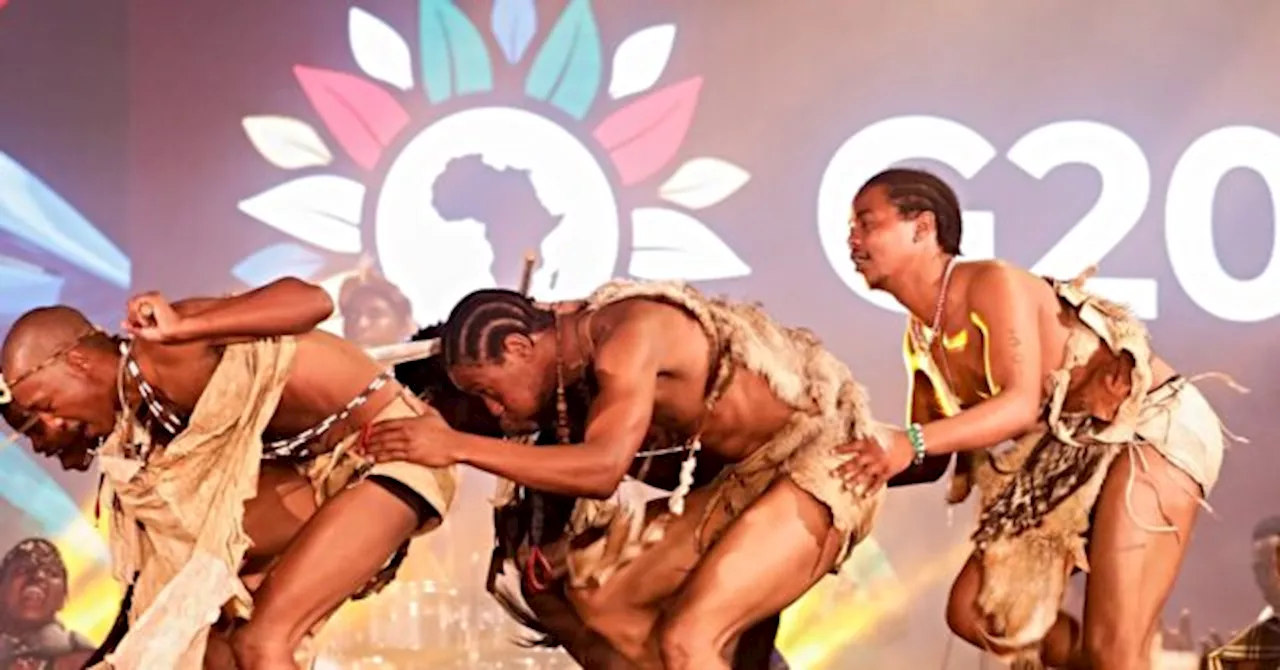
The United States, under the leadership of President Donald Trump, has officially announced a boycott of the upcoming G20 Summit in South Africa. This decision stems from ongoing concerns regarding human rights, specifically the persecution and land confiscation issues prevalent in the country. The summit, taking place this weekend, will proceed without representation from the U.S., traditionally considered the group’s most influential member.
In a statement on social media, Trump emphasized the gravity of the situation, calling it a “total disgrace” for South Africa to host the summit while such human rights abuses are occurring. He asserted, “No U.S. Government Official will attend as long as these Human Rights abuses continue.” This stance reflects a significant diplomatic shift, as the United States has historically played a central role in global discussions facilitated by the G20.
South African President Cyril Ramaphosa responded to the boycott, downplaying its impact on the summit. In remarks to reporters, he characterized the U.S. absence as a missed opportunity, stating it is “their loss” and asserting that “boycotting never achieves anything of great impact.” Ramaphosa expressed confidence in the summit’s agenda, which prioritizes themes of solidarity, equality, and sustainability, including discussions on debt relief and measures to combat climate change.
The summit is set against a backdrop of international scrutiny, with other notable leaders, including Xi Jinping of China, Vladimir Putin of Russia, and representatives from Mexico and Argentina, confirming their attendance. The gathering will mark South Africa’s first time hosting the G20, highlighting its rotating chairmanship, which will conclude on November 30, when the presidency will transfer to the United States for next year’s summit in Miami.
The overarching theme of this year’s G20 Summit is “Solidarity, Equality, Sustainability,” focusing on critical issues such as climate change and financial mechanisms for disaster recovery. In addition, the South African government is expected to urge wealthier nations and international financial institutions to increase support for developing countries, echoing previous appeals made at the recent COP30 climate conference in Brazil.
As the summit approaches, South African authorities are preparing for potential protests by local and international activists, deploying an additional 3,500 police officers to ensure security. The government is also on high alert, with the military on standby, indicating the sensitive nature of the discussions and the potential for civil unrest during the global gathering.
With the U.S. opting out, the G20 Summit in South Africa highlights a critical turning point in international relations, showcasing the complexities of global diplomacy amidst pressing human rights concerns. The decisions made during this summit could significantly influence international cooperation on issues affecting millions worldwide, particularly in developing nations.