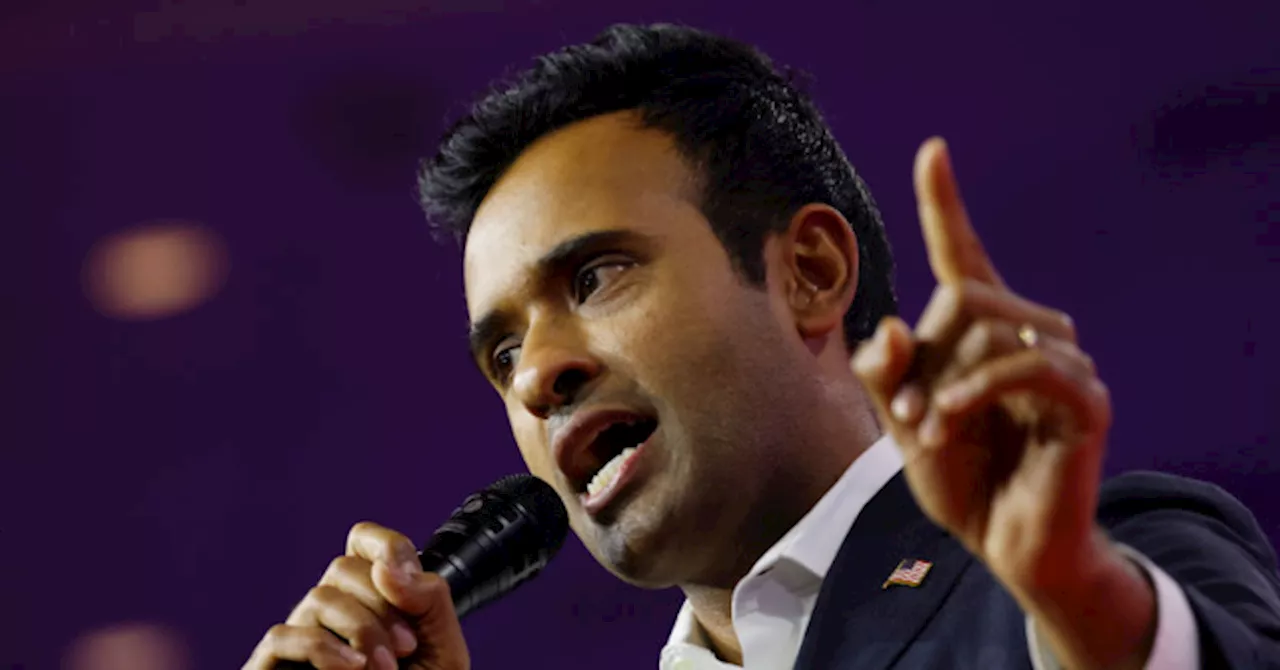
During his address at Turning Point USA’s AmericaFest 2025 in Phoenix, Arizona, on December 15, 2025, Republican presidential candidate Vivek Ramaswamy dismissed the notion of “Heritage Americans.” He argued that this idea undermines the fundamental principles of American identity, suggesting that it is a concept gaining traction among segments of the online conservative community.
Ramaswamy Challenges Emerging Narratives
In his speech on the second day of the conservative youth conference, Ramaswamy critiqued a belief that equates American identity with lineage. He stated, “There’s a different vision of American identity that’s emergent in certain corridors of the online right,” referencing a growing perspective that ties one’s American status to their ancestry and length of residence in the country.
Ramaswamy characterized the “Heritage American” concept as the belief that the most authentic Americans are those whose families have been in the country since or before the Revolutionary era. While he acknowledged the rising popularity of this ideology, he described it as “about as loony as anything the woke left has actually put up.” He emphasized a binary view of national identity, asserting, “There is no American who is more American than somebody else.”
A Binary View of American Identity
Ramaswamy framed his understanding of American identity in stark terms, contrasting it with what he described as the left’s inclination toward a fluid interpretation. He remarked, “It’s not like the left. They believe in this nonbinary stuff. There’s no nonbinary American. It is binary. Either you’re an American or you’re not.” His comments reflect a broader discussion about identity politics and the varying interpretations of what it means to be an American.
As the political landscape continues to evolve, Ramaswamy’s stance presents a challenge to narratives that emphasize heritage as a cornerstone of national identity. His remarks at AmericaFest represent not only his personal views but also a significant standpoint within the ongoing dialogue about citizenship and belonging in contemporary America.
The implications of these discussions extend beyond political rhetoric, as they touch on the hearts of many Americans who grapple with issues of identity, inclusion, and the future of the nation. As 2025 progresses, the conversations ignited at events like AmericaFest will likely play a crucial role in shaping the discourse leading into the upcoming presidential elections.