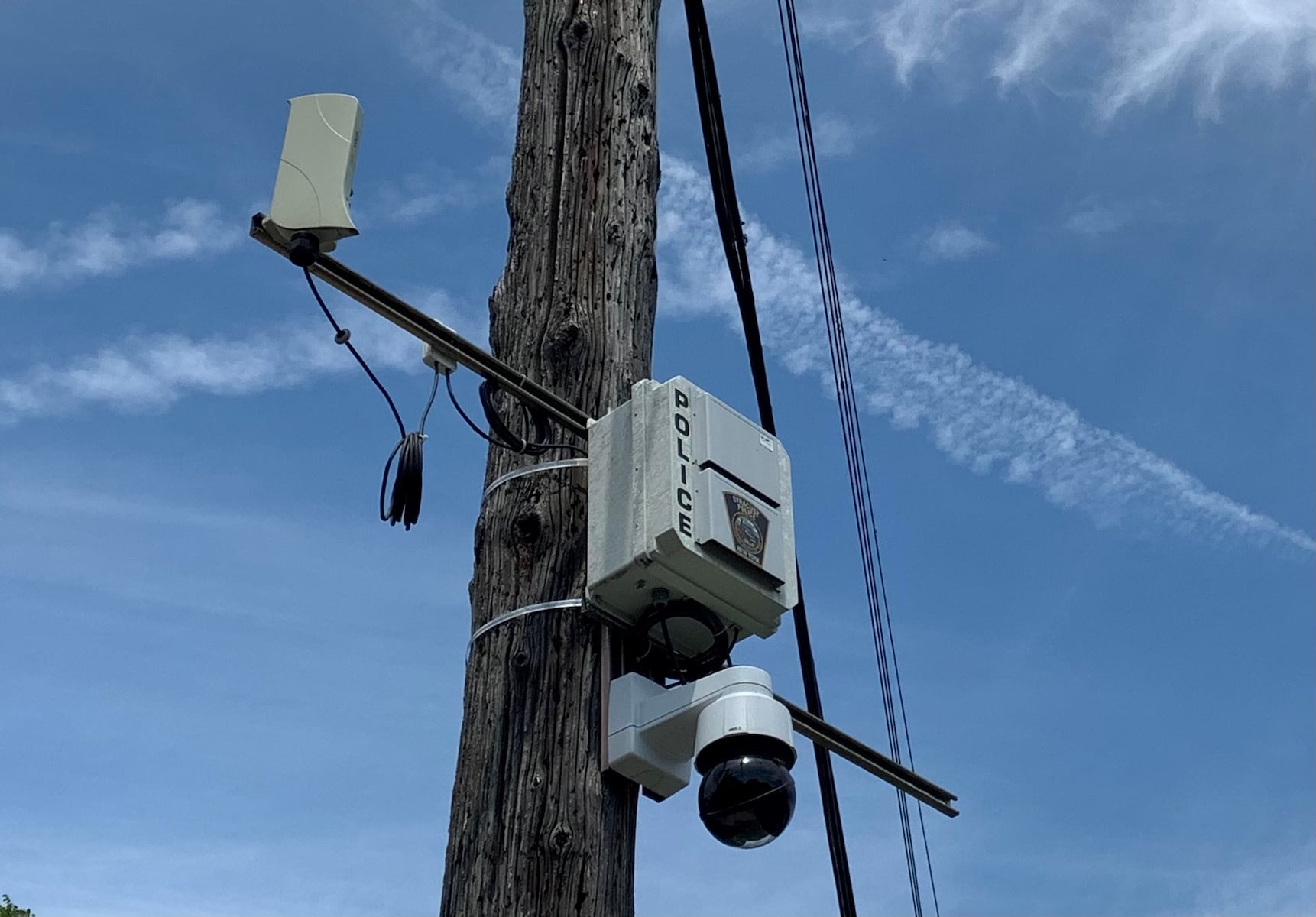
A recent independent report from Cleveland State University has evaluated the performance of the ShotSpotter gunshot detection system utilized by the Cleveland Police Department. The comprehensive 185-page report analyzed over 87,000 alerts and included surveys from both police and residents to assess the technology’s effectiveness. The findings indicate a complex relationship between the system’s operational efficiency and its impact on crime rates.
Mixed Results: Improved Response Times, No Crime Deterrent
The central conclusion drawn from the report reveals that while ShotSpotter enhances police response times, it does not effectively deter crime. Researchers confirmed that the system accurately identifies the time and location of gunfire, allowing police to arrive at scenes an average of four minutes earlier than traditional 911 calls. Despite this advantage, the report aligns with findings from a previous investigation by cleveland.com and the Plain Dealer, indicating that ShotSpotter rarely contributes to criminal investigations or reduces overall crime rates. This limitation was acknowledged by representatives from ShotSpotter.
Strain on Resources: A Challenge for Police Staffing
Another critical issue highlighted in the report is the strain that ShotSpotter places on the already under-resourced Cleveland police force. The system generates approximately 21 high-priority alerts daily, overwhelming officers who are currently staffed at 1,151 out of a budgeted 1,350 positions. These alerts are treated as urgent, diverting officer resources from other calls and intensifying response times for non-gunfire-related incidents. As a result, this reliance on ShotSpotter has left the police department stretched thin, raising concerns about overall public safety.
Financial Considerations: Future of Gunshot Detection Uncertain
Cleveland is currently investing $914,250 annually in its ShotSpotter contract, which is set to expire in April 2024. The funding previously came from the federal American Rescue Plan Act, but those funds are no longer available. According to Mike Polensek, the Chairman of the Public Safety Committee, any future use of ShotSpotter or similar technology would need to be financed from the city’s general fund. This financial reality necessitates a careful evaluation of the system’s benefits against its costs and its lack of impact on crime reduction.
Potential Changes: Evaluating New Technology Options
As city officials explore alternatives, legislation has been proposed to potentially replace ShotSpotter with technology from Flock Safety, the provider of Cleveland’s automated license-plate readers. This proposal has sparked skepticism, particularly due to the recent departure of former Councilman Kerry McCormack to a position at Flock Safety. Despite assurances from McCormack that he has not participated in discussions regarding the city’s technology options, Councilwoman Rebecca Maurer has advocated for a formal and transparent request for proposals. Maurer expressed that bypassing a competitive bidding process could raise public mistrust, emphasizing the need for transparency to avoid any appearance of conflicts of interest.
The evaluation of ShotSpotter’s role in Cleveland highlights significant considerations in the intersection of technology and public safety, particularly regarding resource allocation and financial viability. As the city navigates these challenges, the decision on the future of gunshot detection technology will likely shape the landscape of law enforcement in Cleveland.