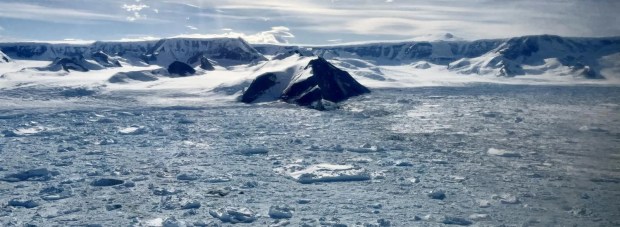
A research team from the University of Colorado Boulder has identified a striking process that led to the rapid retreat of the Hektoria Glacier in Antarctica, resulting in a loss of approximately half its mass in just two months. This unprecedented retreat marks the fastest recorded for any grounded glacier.
Between January 2022 and March 2023, the Hektoria Glacier, which extends about 8 miles across and 20 miles long, retreated an astonishing 15.5 miles. Naomi Ochwat, a research affiliate at CU Boulder, observed this remarkable phenomenon while monitoring glaciers across Antarctica. Her findings prompted further investigation into the mechanisms behind this rapid retreat.
Ochwat emphasized the potential implications of this process, stating, “If it could occur on a much larger glacier, then it could have significant consequences for how fast the ice sheet can change as a whole, and other kinds of destabilizing mechanisms could ensue.” The concern is that such changes could contribute to sea level rise.
Although the Hektoria Glacier is relatively small by Antarctic standards, its retreat could provide insights into other glaciers with similar characteristics. Ted Scambos, a senior research scientist at CU Boulder, noted that while the immediate impact on sea level rise is minimal, understanding the process could help predict behavior in larger glaciers. The retreat from Hektoria equates to fractions of a millimeter in sea level change.
The research identified that the glacier’s ice tongue, which extends into the ocean, was supported by a layer of fast ice that secured it to the coastline. With increasing temperatures, this fast ice deteriorated, leading to the collapse of the floating ice tongue.
Subsequently, the study revealed a unique phenomenon occurring beneath the glacier as it rested on an ice plain, an area of bedrock located below sea level. As water thinned the glacier, the ice above began to rise, causing pressure that led to significant portions of the glacier breaking away. Scambos likened this process to “dominoes falling over backwards,” illustrating how one calving event can trigger a series of subsequent collapses.
Ochwat clarified, “The fact that Hektoria retreated and dumped a bunch of ice into the ocean doesn’t really change much, to be completely honest. The thing that’s important, though, is this mechanism, this ice plain that thins and starts to float and causes a rapid retreat. That process hasn’t been seen before.”
The researchers utilized satellite-derived data, including images and elevation data, to analyze the glacier’s behavior. The findings suggest that glaciers resting on ice plains are particularly susceptible to destabilization, a concern echoed by previous research indicating that Antarctic glaciers with ice plains retreated hundreds of meters per day during warmer periods 15,000 to 19,000 years ago.
Scambos described the retreat of Hektoria as the fastest ever observed for a grounded glacier, underscoring the urgency of understanding such processes. “It meant this grounded glacier lost ice faster than any glacier had in the past,” he stated. Identifying other regions in Antarctica where similar dynamics could occur is critical to predicting future changes.
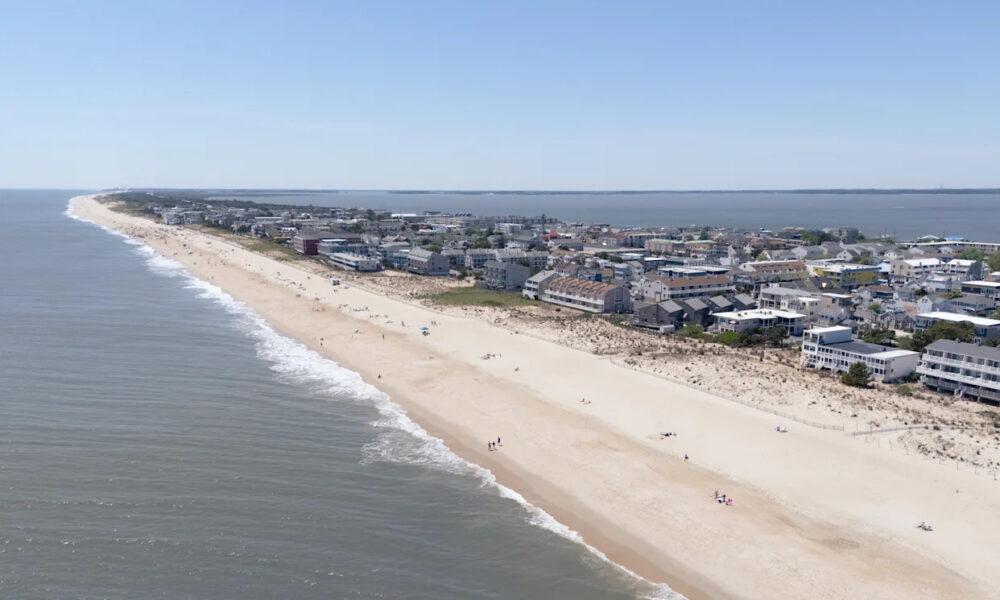
The implications of such glacier retreats are profound. Ice sheets hold vast quantities of water, and their melting poses a significant risk for global sea levels. According to the National Oceanic and Atmospheric Administration, nearly 30% of the U.S. population resides in coastal areas where rising sea levels can exacerbate flooding and shoreline erosion. Globally, eight of the ten largest cities are located near coastlines, raising the stakes for millions of people.
Ochwat concluded with a stark reminder: “What happens in Antarctica does not stay in Antarctica, and that’s why it’s really important to research these things because there’s so much we don’t know and so much that could have profound effects for us.” The findings from the CU Boulder team not only shed light on the Hektoria Glacier’s rapid retreat but also open the door to understanding the broader implications for ice dynamics in Antarctica and their global consequences.