The Covid-19 pandemic has significantly impacted employment patterns, particularly affecting women. Many have faced layoffs or have opted to leave their jobs to manage household responsibilities, leading to economic instability for themselves and their families. In this context, women who remain in the workforce may feel inclined to keep a low profile as they navigate these challenges. Yet, this could be an opportune moment to enhance visibility in the workplace and assert their value.
As companies adjust to tightened budgets and reduced staff, there is a growing recognition of the benefits of flexible work arrangements that many women have long advocated for. Acknowledging this shift can provide an avenue for employees to showcase their contributions and engage more actively with their teams.
Strategies for Increasing Workplace Visibility
**1. Embrace Authenticity in Remote Work**
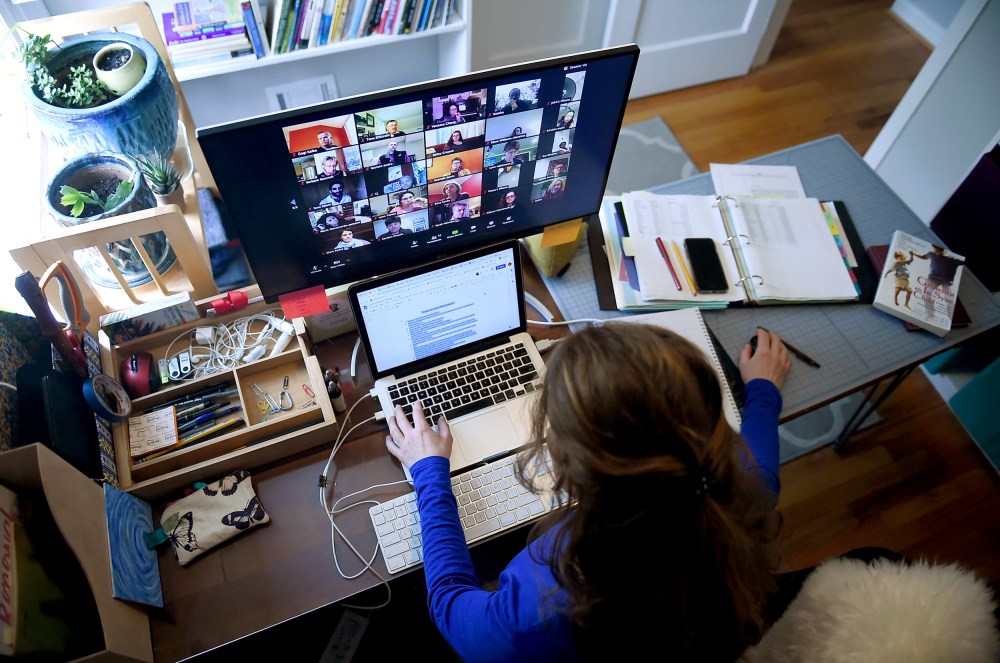
One of the most effective ways to stand out as a remote worker is to embrace the authenticity of your life. Leading a remote workforce for over a year, I have found that video conferencing fosters closer connections than traditional office environments. Sharing glimpses of personal life, whether it be pets or family, humanizes interactions and creates relatability among colleagues. It is essential to move beyond outdated standards of professionalism and allow the texture of daily life to enrich workplace relationships.
For those feeling hesitant about revealing their home environment, consider using a virtual background that reflects your personality or share experiences that highlight the challenges posed by the pandemic. You may find that others have faced similar situations, fostering a sense of community.
**2. Create Collaborative Opportunities**
The absence of spontaneous conversations that often occur in physical workplaces can lead to missed opportunities for collaboration. To combat this, consider initiating informal virtual gatherings. Hosting a Zoom meeting without a strict agenda can encourage cross-departmental interactions, allowing for idea exchange and relationship building.
If time constraints limit your participation, simple gestures such as sending a quick message or setting up a virtual coffee break with colleagues from different departments can enhance your network. These efforts are particularly beneficial for new hires navigating an all-remote environment.
**3. Ensure Your Voice is Heard**
Despite the shift to virtual meetings, entrenched gender dynamics persist, making it challenging for women to have their voices recognized. Bias remains prevalent in digital settings, leading to interruptions or ideas being overlooked. To address this, utilize all available tools, such as chat functions, hand-raising features, and follow-up emails, to ensure your contributions are acknowledged.
Meeting organizers can play a crucial role by encouraging participants to submit ideas prior to discussions, thus ensuring equitable representation of all voices during meetings.
**4. Maintain Personal Boundaries**
While the desire to take on additional work may stem from the hope of gaining recognition, overextending oneself can be counterproductive. It is essential to establish clear boundaries regarding your responsibilities. Schedule a meeting with your supervisor to discuss how expanding your role could benefit both you and the organization.
By articulating your ability to prioritize high-impact tasks, you may find your organization willing to invest in your professional growth.
In conclusion, while the challenges of remote work are considerable, they also present unique opportunities for visibility and growth. By embracing authenticity, fostering collaboration, ensuring your voice is heard, and maintaining personal boundaries, remote workers can navigate this landscape effectively. As highlighted by Kim Churches, CEO of the American Association of University Women, advocating for gender equity and work-life integration is crucial for creating an inclusive and supportive work environment.