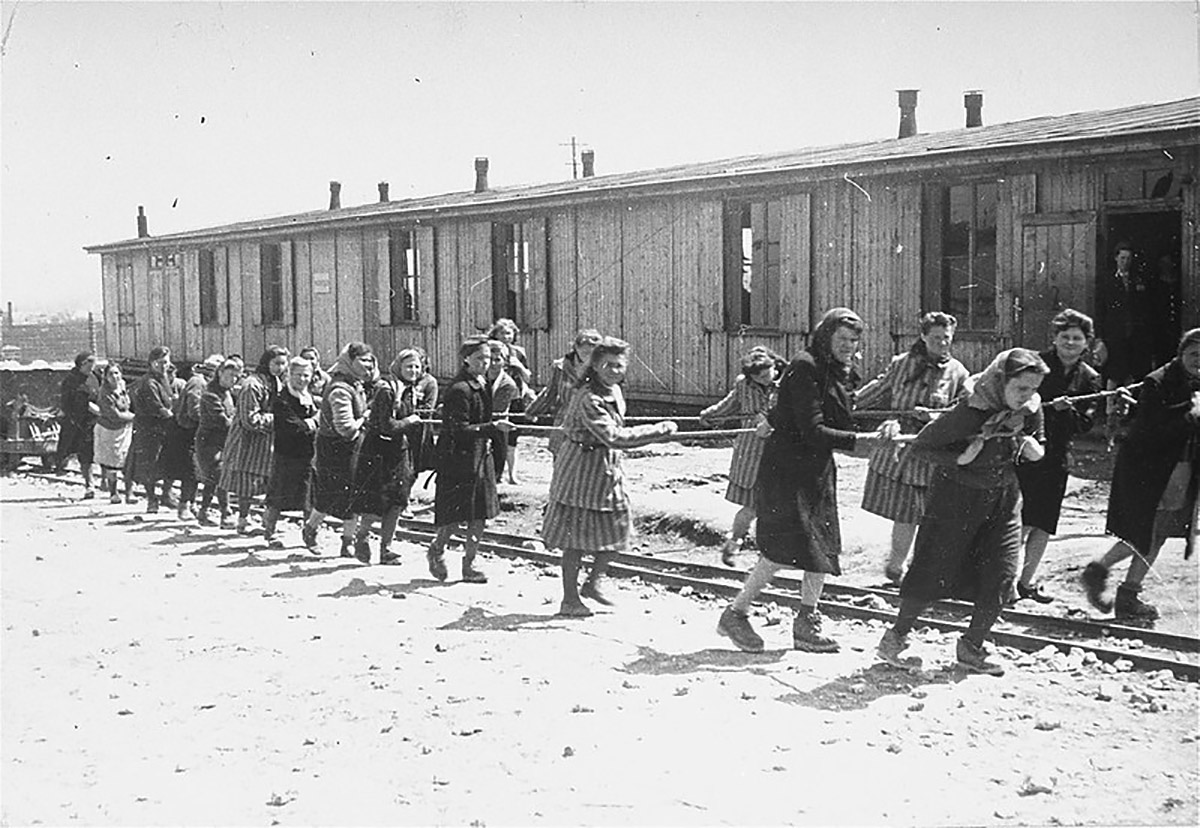
The United States Holocaust Memorial Museum, in collaboration with Johns Hopkins University Press, has unveiled the world’s first searchable database detailing the extensive network of Nazi camps and ghettos. This ambitious project, known as the Encyclopedia of Camps and Ghettos, 1933-1945, aims to provide unprecedented access to information about approximately 10,000 locations associated with the Nazi terror regime.
Historically, scholars have studied major sites of persecution, such as Auschwitz, Dachau, and Buchenwald. However, over time, researchers recognized that the scale of Nazi atrocities extended far beyond these well-documented locations. Since 1999, the Holocaust Museum has been compiling data on lesser-known sites across Europe and North Africa, leading to the creation of this comprehensive digital resource.
The encyclopedia is now accessible on Project MUSE, a digital platform housing a wealth of scholarly resources. Users can explore an interactive map featuring around 3,500 sites at present, with plans to expand this to another 2,500 sites by 2026. The platform allows individuals to search by current country names, camp types, and even specific names of victims or perpetrators, enhancing the depth of research capabilities available to users.
“It took a long time and a lot of dedicated people to put it together,” said Alexandra Lohse, who leads the applied research scholar team at the museum’s Mandel Center for Advanced Holocaust Studies. With contributions from 700 researchers over twenty-five years, the encyclopedia represents a significant scholarly achievement. Lohse emphasized the challenges faced during the project, stating, “The true extent of the Nazi camp network seemed vast, and the sources required to document and analyze it were disparate.”
The significance of this project cannot be overstated, as it not only documents the enormity of the Nazi regime’s atrocities but also serves as a vital educational tool. The Holocaust Museum has previously made information available through a printed four-volume set and a PDF e-book. However, the transition to a digital format allows for the type of targeted searching and cross-referencing modern researchers expect.
The decision to make the encyclopedia freely accessible marks a critical step in educating the public about Holocaust history. Kelley Squazzo, director of Project MUSE, noted the absence of a cost barrier has led to a remarkable increase in engagement. In its first five months, the encyclopedia recorded over 700,000 requests, a stark contrast to the 80,000 requests for the previous PDF content.
This initiative comes at a time when awareness of Holocaust history faces challenges. A 2020 study by the Conference on Jewish Material Claims Against Germany revealed that over 30% of Americans, including 41% of millennials, believe that fewer than 2 million Jews died during the Holocaust. Such misconceptions underscore the need for reliable resources like the ECG.
In light of these troubling trends, the launch of the encyclopedia offers a timely intervention. Laura Foster, director of academic publishing at the museum, highlighted the encyclopedia’s role in countering Holocaust denial, which is often rooted in antisemitic conspiracy theories. “The encyclopedia is a unique contribution to our understanding of the size and scope of the Holocaust,” she stated.
Holocaust survivor Martha Weiman expressed concern regarding the diminishing awareness of the atrocities committed. “Every day takes us further from the Shoah and the murder of the Jewish people,” she remarked. The initiative aims to foster a deeper understanding of these events, ensuring that future generations are aware of the magnitude of the Holocaust.
As the Encyclopedia of Camps and Ghettos continues to grow, it is poised to become an essential resource for historians, educators, and the general public. The collaboration between the United States Holocaust Memorial Museum and Johns Hopkins University Press not only preserves the memory of the victims but also combats the misinformation that threatens to overshadow this critical chapter in history.