The evolution of surgical practices, particularly amputation, began significantly transforming during the Renaissance, altering human perceptions of the body and medical intervention. Emerging from an era of rudimentary techniques, early modern Europe witnessed a shift from hesitation to a more aggressive approach in treating limb injuries, laying foundational ideas that persist in modern medicine.
The Surgeons of the Renaissance: A New Approach to Amputation
Surgeons in 16th and 17th century Europe faced unprecedented challenges due to the rise of gunpowder warfare. The widespread use of firearms resulted in traumatic injuries that traditional surgical methods struggled to address. As a result, amputations became more common, prompting a debate among surgeons about effective techniques for preserving life.
During the American Civil War, which lasted from 1861 to 1865, amputations reached an alarming scale, with over 60,000 procedures performed. Surgeons often spent as little as three minutes on each limb, reflecting the urgency of battlefield medicine. Yet, the groundwork for these practices was laid centuries earlier during the Renaissance, where surgeons began to reimagine their role.
Renaissance surgeons were no longer merely preservers of the body; they began to view it as a canvas to be shaped and altered. The development of the printing press allowed for the dissemination of surgical techniques and ideas across Europe. This era saw surgeons advocating for amputation with a focus on future functionality, particularly regarding artificial limbs.
Innovation in Prosthetics: The Rise of Iron Hands
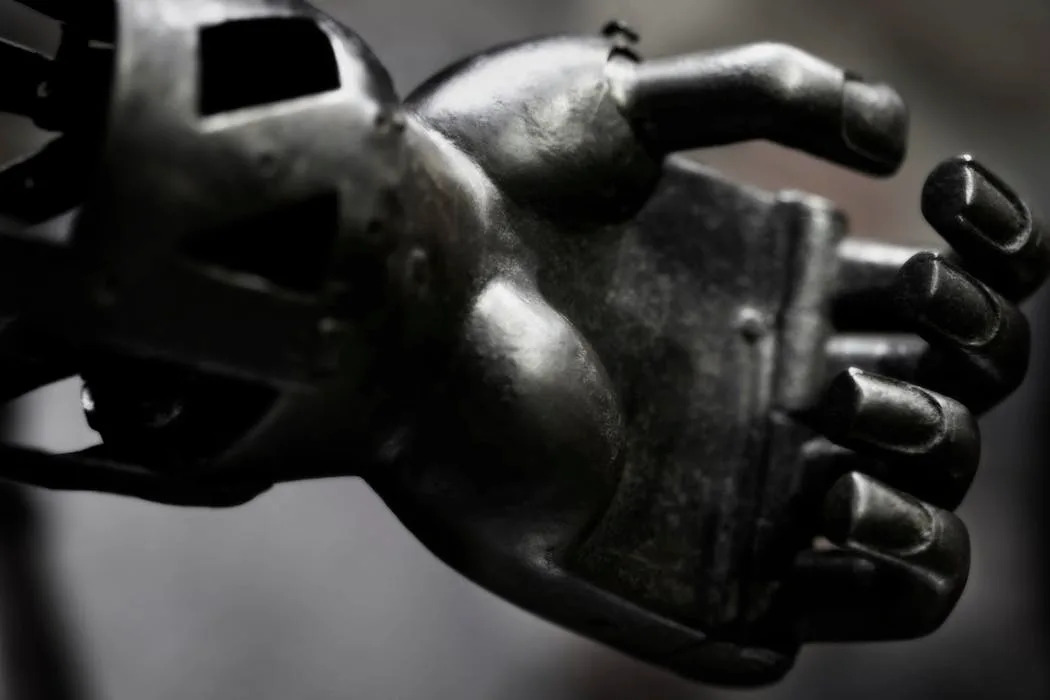
As surgical techniques advanced, so did innovations in prosthetic design. By the late 15th century, artisans began collaborating with amputees to create more sophisticated devices, such as the mechanical iron hand. These prosthetics represented a shift from simple peg legs to intricate designs that included movable fingers and detailed craftsmanship.
Survival rates for amputees during this period were low, with estimates as grim as 25%. However, those who did survive often relied on their ingenuity to adapt to their new circumstances. The iron hands of this era, which featured intricate mechanisms that allowed for movement, were not merely functional—they also served as symbols of resilience and creativity.
Amputees found themselves commissioning custom prosthetics from local artisans, as there were no standardized models available. Many of these devices were made from materials that were both innovative and expensive, making them accessible primarily to the affluent. This marked a significant point in history, where social class could be inferred from the type of prosthetic one possessed.
This collaboration between surgeons and artisans was crucial. It prompted surgeons to consider how prosthetics could be integrated into their surgical practices. The iron hands became not just tools, but embodiments of a new ideology—one that suggested the body could be engineered to enhance life rather than merely preserved.
In the words of historian Heidi Hausse, “Before the modern body of replaceable parts could exist, the body had to be reimagined as something humans could mold.” This reimagining was not limited to surgeons alone; it required the collective effort of amputees, artisans, and the cultural zeitgeist of the time.
The cultural significance of iron hands extended beyond their functionality. They challenged societal norms about disability and capability, allowing amputees to defy the stigma often associated with their conditions. As these devices gained visibility, surgeons began to recognize their importance, integrating discussions of prosthetic design into their medical treatises.
The Legacy of Renaissance Surgical Practices
The impact of Renaissance surgical practices and the advent of advanced prosthetics played a critical role in shaping modern medicine. The belief that the body could be altered and improved through invasive techniques laid the groundwork for today’s sophisticated medical interventions, such as hip replacements and other surgical innovations.
Iron hands and their creators contributed significantly to this evolution. They represented a break from a millennia-long tradition of noninvasive healing and prompted a re-evaluation of what was possible in medical science. The enduring legacy of these practices is evident in the advancements we see today, where artificial limbs are tailored to individual needs and capabilities.
As the field of prosthetics continues to evolve, it is essential to acknowledge the historical context that shaped contemporary practices. The Renaissance marked a pivotal moment in the journey toward the integration of technology and the human body, inspiring a future where the limits of what can be achieved through medicine and engineering continue to expand.
This exploration of the historical roots of surgery and prosthetics underscores the importance of collaboration between medical practitioners and artisans. Their combined efforts not only transformed individual lives but also redefined the broader landscape of medical interventions that persist in today’s healthcare systems.