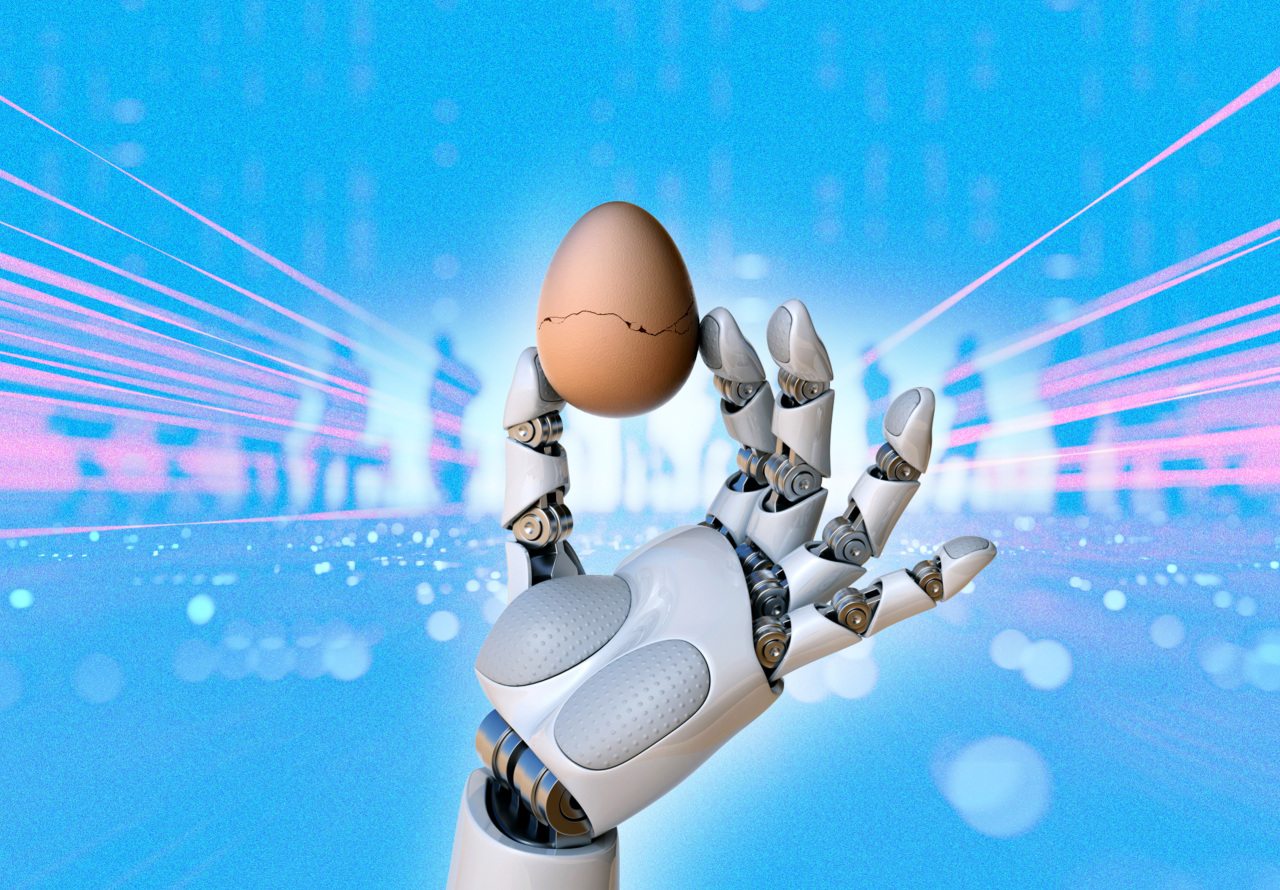
The development of humanoid robots is on the brink of revolutionizing industries, with projections indicating a potential market value of $5 trillion. However, experts warn that significant technological advancements and improvements are necessary before this vision can become a reality.
Recent discussions in the robotics community highlight the growing interest in humanoid robots, particularly their ability to perform tasks traditionally carried out by humans. Companies like Boston Dynamics and SoftBank Robotics are at the forefront of this innovation, showcasing robots capable of navigating complex environments and interacting with people. Yet, achieving widespread deployment will likely take years of refinement and development.
Technological Hurdles and Development Timelines
Experts from various institutions, including the University of Cambridge, emphasize that while the potential for humanoid robots is vast, there are several critical challenges to overcome. These include enhancing artificial intelligence capabilities, improving mobility, and ensuring safety in human-robot interactions.
For instance, current humanoid robots struggle with balance and agility, limiting their effectiveness in real-world situations. Research and development efforts are focusing on creating more sophisticated algorithms that enable robots to learn from their environments and adapt to unpredictable scenarios. According to industry analysts, this phase of development could extend over the next decade.
Moreover, the integration of humanoid robots into everyday life poses regulatory and ethical questions. Governments and organizations will need to establish guidelines to ensure safe and responsible use. These considerations will play a crucial role in shaping the future of humanoid robotics.
Market Potential and Economic Implications
The anticipated market for humanoid robots spans various sectors, including healthcare, manufacturing, and customer service. As industries look for ways to enhance efficiency and address labor shortages, the demand for humanoid robots is likely to increase.
In healthcare, for example, robots could assist with patient care, providing support to medical professionals and improving service delivery. In manufacturing, humanoid robots could take on repetitive tasks, allowing human workers to focus on more complex responsibilities. The economic implications are significant, as companies invest in this technology to remain competitive in a rapidly evolving market.
While the estimated $5 trillion market potential is enticing, experts caution that realizing this figure will depend on overcoming the technological and ethical challenges associated with humanoid robots. As research continues, the timeline for widespread adoption remains uncertain, but the journey towards a robotic future is undoubtedly underway.
In conclusion, the path to a humanoid-robot revolution is filled with obstacles that require careful navigation. As advancements are made, stakeholders across multiple sectors will need to collaborate to ensure that the deployment of these robots benefits society as a whole.