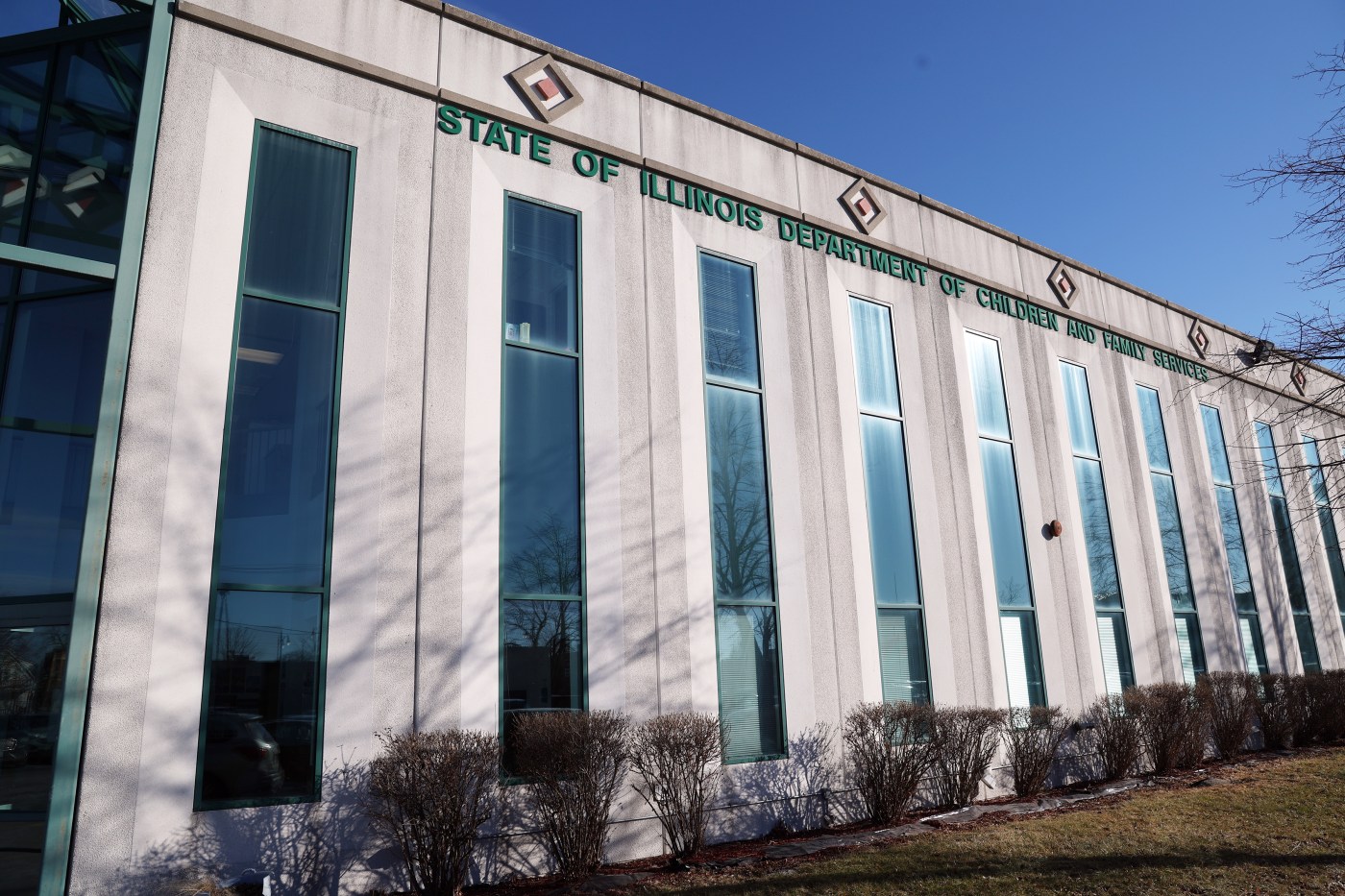
Illinois is making significant strides in child welfare by implementing a pilot program that provides cash assistance to families involved in the child welfare system. This initiative, which partners with the Illinois Department of Children and Family Services, aims to explore the relationship between financial support and family stability.
Critics of the program, including professors Sarah A. Font and Emily Putnam-Hornstein, have raised concerns about the effectiveness of cash assistance in combating child maltreatment. Their op-ed, published on January 2, 2024, argues against the approach, suggesting that it fails to address the root causes of child neglect. In response, Mike Shaver, CEO of Brightpoint, emphasizes that Illinois deserves credit for challenging conventional wisdom and asking critical questions about child safety and family cohesion.
The pilot program, which targets 800 families, is designed to provide an average of $500 per month for a duration of 12 months. All participating families are already enrolled in Intact Family Services, a voluntary program aimed at stabilizing families before they face crises that could lead to foster care placements. Shaver points out that the majority of reports to child welfare hotlines are related to neglect rather than abuse, underscoring the need for innovative support mechanisms.
Exploring the Impact of Cash Assistance
The central inquiry of the pilot program is whether unconditional cash support can improve family dynamics and reduce neglect. Shaver argues that if poverty is a contributing factor to child maltreatment, then providing financial assistance could lead to better outcomes for families. He highlights that the relationship between poverty and neglect is not fully understood, and this study could provide valuable insights.
As families navigate their daily challenges, including financial strain, mental health issues, and community violence, the need for comprehensive support becomes evident. Tecoria Jones, board secretary of Be Strong Families, stresses that recognizing the broader societal environments affecting low-income communities is essential for effective intervention. She advocates for a holistic approach that considers the complexities of family life rather than focusing solely on individual behaviors.
Jones cites a June 2021 report by CNBC, which revealed that during COVID-19 relief efforts, families that received cash assistance experienced a significant drop in food and financial insufficiencies. Data indicated a 42% decrease in food shortages and a 43% reduction in financial hardships among households with children. This improvement in well-being, according to Jones, highlights how financial support can foster hope and stability within families.
Addressing Misconceptions in Child Welfare Policy
The discourse surrounding cash assistance programs has gained attention in the context of public policy, particularly following the enactment of the Family First Prevention Services Act during the Trump administration. This legislation received bipartisan support and led to increased funding for evidence-based interventions aimed at keeping families intact.
Despite this progress, there appears to be a growing backlash against financial support initiatives. Critics, including think tanks like the American Enterprise Institute, have dismissed cash assistance as ineffective, often overlooking the fundamental issues of housing and food insecurity that contribute to child maltreatment.
Marrianne McMullen, a former foster parent and child welfare advocate, expresses concern over the negative narrative surrounding financial support programs. She argues that such views only serve to deepen divisions within society and hinder progress in child well-being. McMullen questions why a think tank would foster discord rather than seek collaborative solutions that benefit families.
In response to the professors’ claims regarding the Rx Kids program, which they argue lacks evidence of reducing child maltreatment allegations, it is important to recognize the nuances of research in this field. While their assessment highlights one aspect of the program, other studies have indicated positive outcomes, including reduced maltreatment rates and improved maternal health indicators.
As Illinois continues to explore innovative approaches to child welfare, the ongoing pilot program is a testament to the commitment to understanding the complexities of family dynamics. By asking difficult questions and testing new hypotheses, the state aims to pave the way for advancements that prioritize the well-being of children and families.
The results of this initiative could reshape the future of child welfare policy, underscoring the importance of evidence-based approaches that adapt to the evolving needs of society. As the pilot moves forward, stakeholders remain hopeful that the data gathered will illuminate the pathways to stronger families and safer communities.