An innovative environmental monitoring project has emerged that leverages low-cost technology and recycled materials. The initiative demonstrates that the essential components for effective environmental monitoring—namely sensors and computing power—are readily available and affordable. The primary challenge now lies in the effective packaging of these components.
The project utilizes a Raspberry Pi Pico W, which offers sufficient processing capability and connectivity for environmental data collection. Powering the device is a large battery bank, providing the necessary energy to run the sensors. Off-the-shelf sensors measuring magnetic fields, air quality, temperature, and humidity are easily sourced, making the setup both practical and scalable.
Design and Functionality
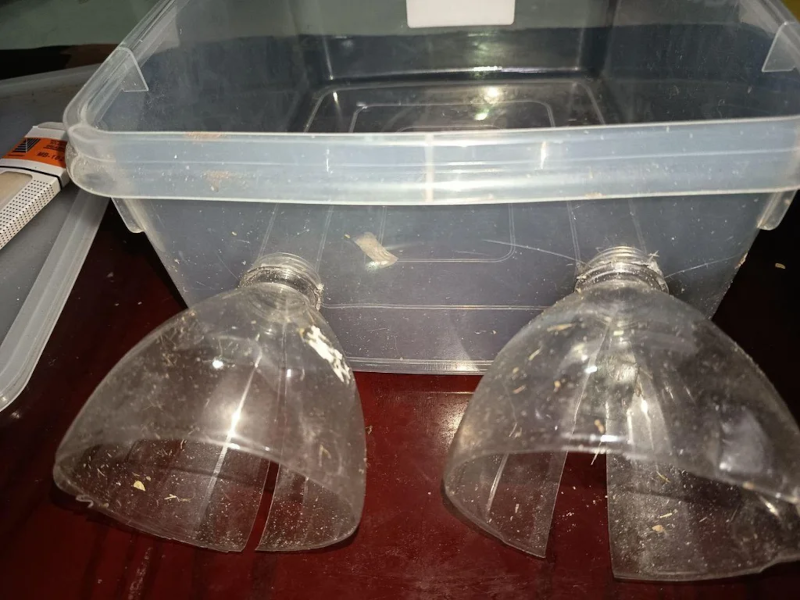
The design incorporates recycled plastic containers to house the electronic components, which has proven to be surprisingly effective. The protective tub is complemented by PVC pipes and plastic coverings for the sensors, with the latter cleverly resembling the tops of drink bottles. This thoughtful design not only reduces waste but also showcases an innovative approach to environmental technology.
Despite its cost-effectiveness, there are limitations to this setup. Currently, the battery bank does not include a recharging mechanism, which restricts operational time to approximately two days before maintenance is required. Depending on specific monitoring needs, users may find this duration adequate or may need to develop alternative power solutions to ensure continuous operation.
While this approach may not match the performance of more traditional containers, such as the Hoffman box, it highlights a growing trend toward using accessible materials for environmental monitoring. Various methods exist to seal monitoring equipment from environmental elements, and the project suggests that innovative solutions can be both sustainable and functional.
As environmental concerns continue to rise globally, projects like this underscore the potential for low-cost, efficient solutions to contribute to monitoring efforts. By utilizing recycled materials and easily sourced technology, this initiative not only addresses the need for environmental data collection but also promotes sustainability in engineering practices.