NASA is advancing aviation safety by testing a blockchain-based system to secure flight data, using drones to enhance air traffic management against cyber threats. This initiative, launched at the Ames Research Center in California’s Silicon Valley, aims to ensure reliable and transparent data transmission between aircraft and ground stations.
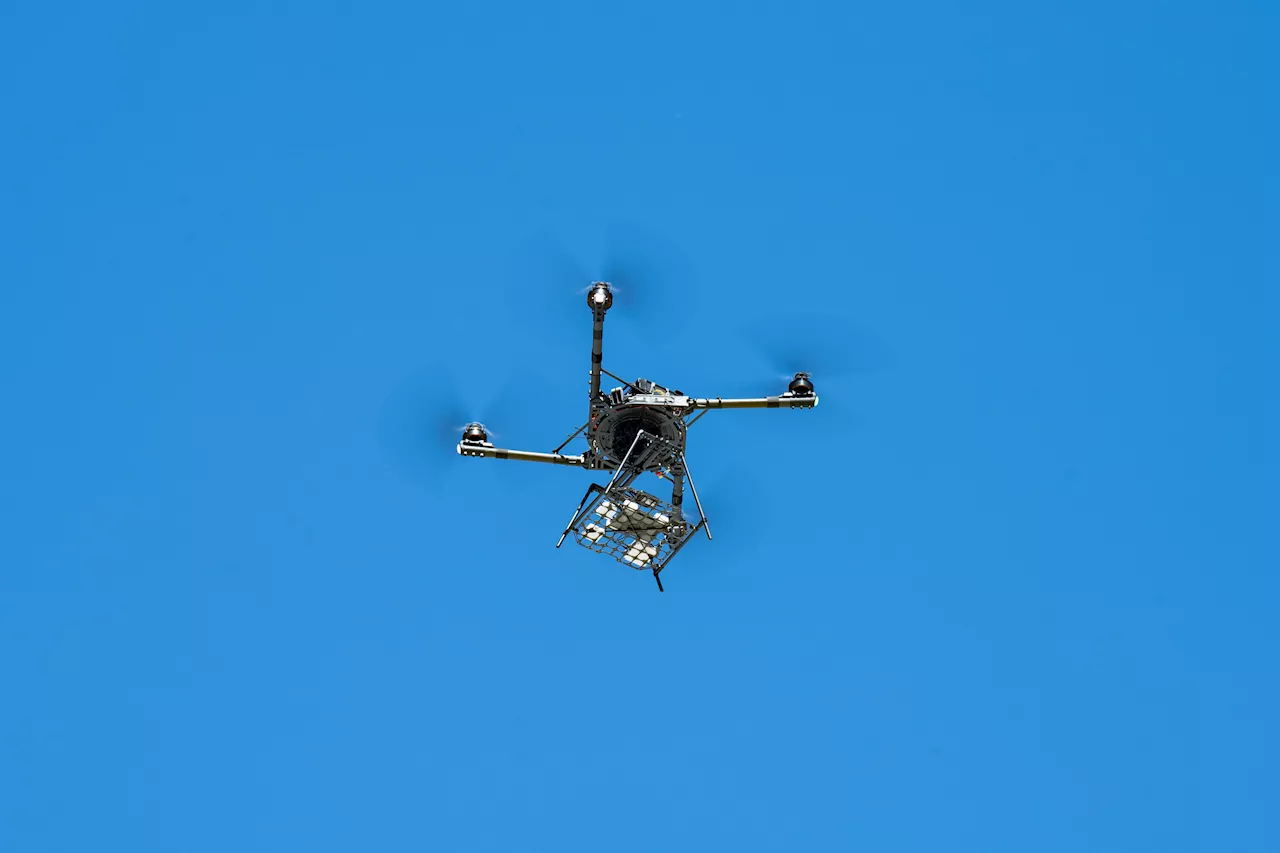
The use of blockchain technology is particularly timely as the aviation sector faces evolving cyber threats. Current systems have been effective in protecting flight data, but the need for innovative solutions has become increasingly urgent. During a recent flight test, an Alta-X drone was equipped with a custom-built simulated Unmanned Aircraft Systems environment to evaluate the potential of blockchain in safeguarding critical aviation data.
Researchers found that the blockchain system can facilitate real-time data transmission and storage, a significant improvement for air traffic management operations. By decentralizing the data storage process, the blockchain framework offers advantages over traditional systems that rely on centralized databases. This innovation is crucial for maintaining the integrity of data, as it allows for the recording and verification of each change within the dataset.
In the past, cybersecurity efforts in aviation focused on multi-layered security architectures, employing various physical and digital measures. The current exploration of blockchain presents a different approach, addressing potential vulnerabilities in a more streamlined manner. The researchers, including experts like Terrence D. Lewis, Kale Dunlap, and Aidan Jones, monitored telemetry data from both actual and simulated flights to confirm the accuracy of the blockchain’s processing and recording capabilities.
The team utilized an open-source blockchain framework that allows trusted users to share and store sensitive information in real-time. This framework restricts access to approved parties, ensuring that only authorized personnel can view or modify critical data, such as aircraft operator registration and flight plans.
To further test the resilience of the system, the research team implemented various cybersecurity tests aimed at assessing and enhancing security measures in airspace environments. During a flight conducted in August 2023, the team demonstrated the blockchain system’s capabilities using the Alta-X drone, which was equipped with a comprehensive software and hardware package, including a computer, GPS, and radio system, all powered by a battery.
The implications of this research extend beyond current aviation needs. The underlying blockchain framework and its associated cybersecurity protocols can support operations at altitudes of 60,000 feet and higher, as well as advancements in Urban Air Mobility. This development paves the way for a more secure, scalable, and trustworthy aviation ecosystem.
Moving forward, NASA researchers will analyze the data collected during these tests and apply their findings to future projects. This work is part of the Air Traffic Management and Safety project, which aims to transform air traffic systems to safely accommodate the increasing demand for new air vehicles. This initiative falls under NASA’s Airspace Operations and Safety Program, which focuses on enabling efficient transportation operations that benefit both the aviation industry and the flying public.