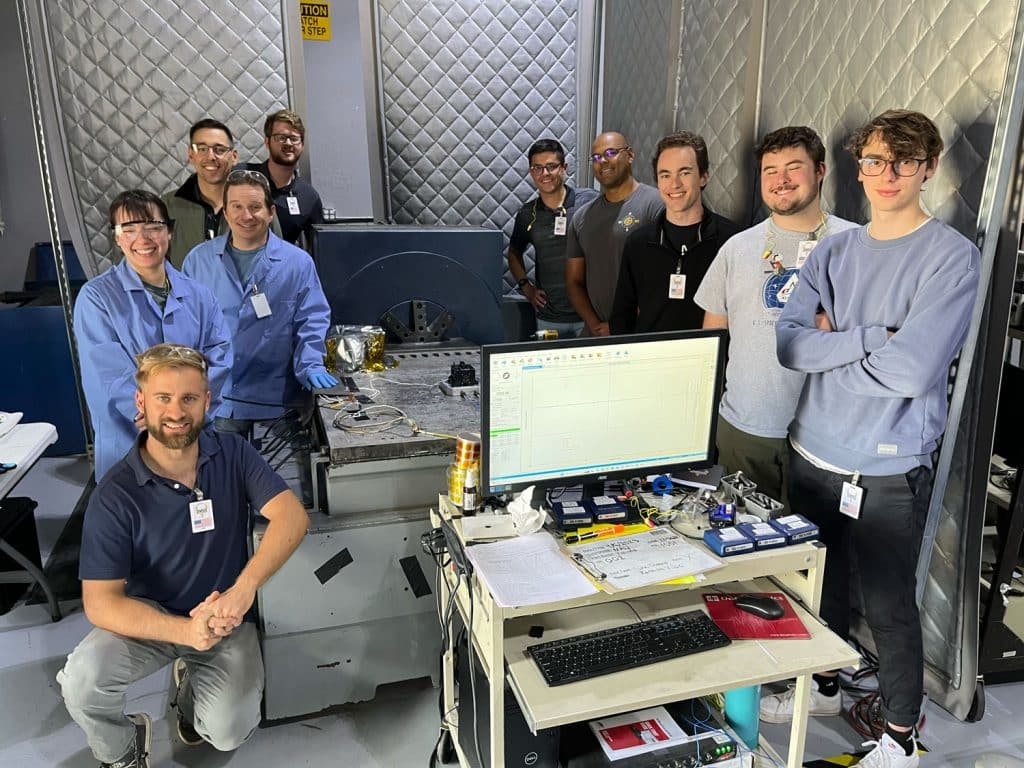
Students and faculty at Northern Arizona University (NAU) are set to make a significant contribution to space exploration with the launch of four cameras to Mars. Two traditional cameras and two infrared cameras, created by a team of 35 students over three semesters, will be part of NASA’s ESCAPADE mission, designed in collaboration with UC Berkeley physicist Rob Lillis and the aerospace company Rocket Lab.
The mission is scheduled for launch aboard a Blue Origin New Glenn rocket from Cape Canaveral Space Force Station in Florida. Details regarding the exact launch date and livestream will be available through Blue Origin’s official channels.
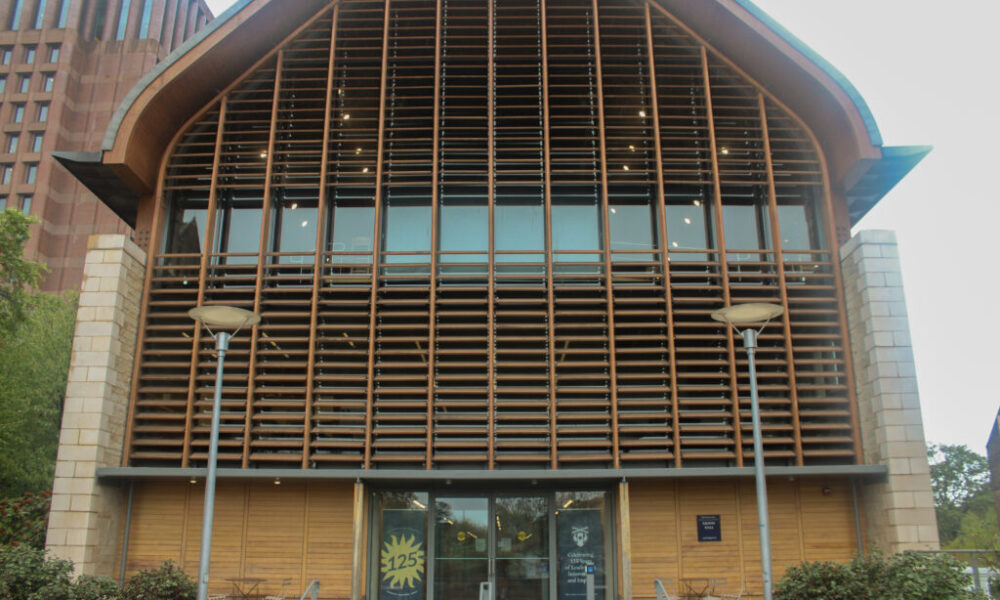
Christopher Edwards, a professor of planetary science and director of NAU’s newly established Radiant Center for Remote Sensing, emphasized the importance of student involvement in real-world projects. He described this initiative as a unique opportunity for aspiring planetary scientists and engineers.
“This project allows students to engage with NASA at every stage, from conception to design, testing, and launch,” Edwards noted. “They faced challenges like securing tiny electronics boards, managing heat without fans, and ensuring that optics and sensors could withstand the rigors of launch.”
With funding from the Arizona Board of Regents’ Technology Research Initiative Fund, Edwards collaborated with fellow faculty members David Trilling, Chris Haberle, and Michael Shafer to design and implement courses that guided students through the project.
Once the spacecraft reaches a “loitering” phase approximately 2 million miles from Earth, it will conduct a camera test before heading to Mars, expected to arrive in September 2027. Analysis of images captured by the cameras will begin some time after the spacecraft’s arrival, which could take up to a year.
Edwards expressed excitement about the potential findings. “We have northern lights here on Earth, and theoretically, so does Mars. We believe our cameras could capture auroras on Mars,” he said. The cameras may also provide new true-color views of the Martian surface from angles not previously documented, demonstrating that high-quality space data collection can be achieved affordably.
In addition, the infrared cameras could yield insights into the evolution of Mars’ polar caps. Should these cameras deliver valuable data, Edwards and his team plan to involve students in the analysis and integration of this information into an online database, enhancing their educational experience and career prospects.
“For the operations and analysis phase, we intend to recruit students with strong computing, data analysis, and scientific backgrounds,” Haberle added. “This will be an exciting time for students as they operate instruments around another planet and analyze the returned data.”
Through this collaboration, NAU students not only contribute to a pioneering mission but also gain invaluable experience that will serve them in their future careers in science and engineering.