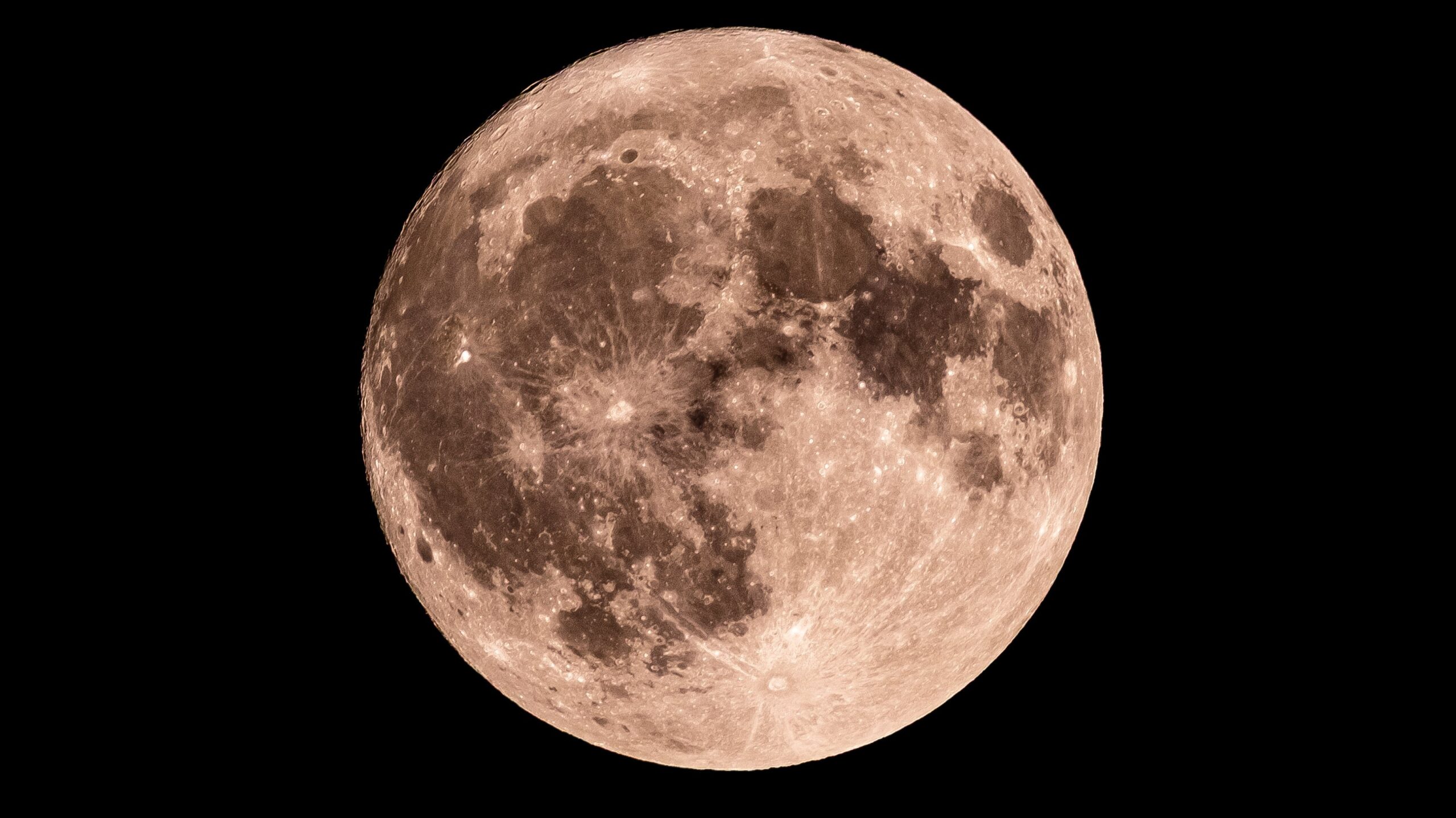
The lunar phase on January 18 marks the New Moon, a time when the Moon is positioned between the Earth and the Sun, resulting in its visibility being reduced to zero. This marks the closing of the current lunar cycle, with the Moon set to become increasingly illuminated each night until reaching the Full Moon on February 1.
According to NASA’s Daily Moon Guide, the Moon will be completely dark tonight, exhibiting 0% illumination. As a result, stargazers will not be able to observe any features on the Moon’s surface. However, anticipation builds as the lunar cycle progresses, leading to a brighter Moon in the coming days.
Understanding Lunar Phases
The lunar cycle lasts approximately 29.5 days, as noted by NASA, which is the duration required for the Moon to complete one full orbit around Earth. During this time, the Moon transitions through eight distinct phases. Despite always presenting the same face towards Earth, the amount of sunlight reflecting off it changes based on its orbital position. This phenomenon explains why the Moon can appear fully illuminated, partially lit, or entirely dark.
The eight phases of the lunar cycle are as follows:
1. **New Moon** – The Moon is positioned between Earth and the Sun, rendering it invisible to observers on Earth.
2. **Waxing Crescent** – A small crescent of light begins to appear on the right side (in the Northern Hemisphere).
3. **First Quarter** – Half of the Moon is illuminated on the right side, resembling a half-Moon.
4. **Waxing Gibbous** – More than half of the Moon is lit, but it is not yet full.
5. **Full Moon** – The entire face of the Moon is fully illuminated and visible.
6. **Waning Gibbous** – The illumination begins to decrease on the right side.
7. **Third Quarter (or Last Quarter)** – Another half-Moon appears, but this time the left side is illuminated.
8. **Waning Crescent** – A thin crescent of light remains on the left side before the Moon returns to darkness.
As the lunar cycle evolves, the New Moon phase offers a moment of quiet before the visual spectacle of a glowing Full Moon. Observers can look forward to increasingly bright nights as the days progress toward February 1, when the next Full Moon will illuminate the sky.