The trend of reviving discontinued electronic products has gained momentum, with many individuals now employing reverse engineering techniques to extend the life of aging gadgets. This practice involves analyzing and reconstructing circuit board designs, enabling users to repair and enhance devices that manufacturers no longer support.
As technology advances, manufacturers often phase out older products, leading to what is known as planned obsolescence. This strategy encourages consumers to purchase new items instead of maintaining existing ones. However, a growing community of tech enthusiasts is pushing back against this trend by utilizing PCB reverse engineering and integrated circuit (IC) unlocking methods to breathe new life into obsolete electronics.
Understanding PCB Reverse Engineering
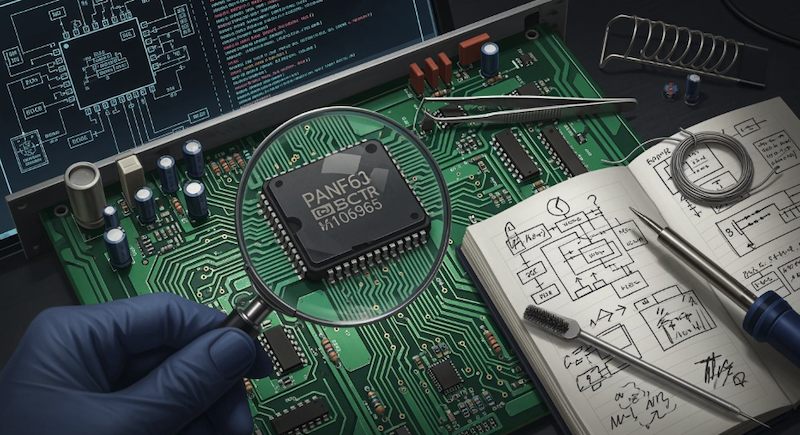
Reverse engineering involves dissecting a product to uncover its design and functionality. In the context of electronic devices, this means studying the circuit board layout and components to understand how they work. By replicating or modifying these designs, individuals can fix broken devices or even upgrade them to meet modern standards.
The process typically requires specialized tools and knowledge. Enthusiasts often share their findings and techniques online, fostering a collaborative environment where information is freely exchanged. This community-driven approach not only enhances individual skills but also promotes sustainability by reducing electronic waste.
According to a report from the International Electronics Recycling Association, approximately 50 million tonnes of electronic waste are generated globally each year. Many of these discarded devices still have functional parts that can be reused or repurposed. By engaging in reverse engineering, individuals contribute to reducing this waste and support a more sustainable approach to technology consumption.
The Impact on the Repair Industry
The rising interest in repairing and modifying older gadgets aligns with broader movements advocating for the right to repair. This concept emphasizes consumer rights regarding the ability to fix their own devices without being hindered by proprietary technologies or lack of support from manufacturers.
Repair shops and independent technicians are also benefiting from this trend, as they increasingly offer services related to reverse engineering and custom modifications. The repair industry is projected to grow significantly as more individuals seek alternatives to purchasing new products.
In addition, the increased focus on sustainability has prompted many consumers to consider the environmental impact of their purchases. According to a survey conducted in 2023, over 70% of respondents expressed a willingness to pay more for products that are easier to repair or upgrade, indicating a shift in consumer attitudes towards longevity and sustainability.
Efforts to promote repair initiatives have been bolstered by organizations advocating for policy changes that encourage manufacturers to make their products more repair-friendly. Legislative proposals in various countries aim to require companies to provide access to spare parts and service manuals, further enabling consumers to engage in reverse engineering.
The combination of technological expertise and a desire for sustainable solutions is reshaping how individuals interact with electronics. As more people become aware of the possibilities offered by reverse engineering, the demand for repair resources and knowledge will likely continue to grow.
In conclusion, the practice of PCB reverse engineering is not merely a technical skill; it represents a broader movement towards sustainability and consumer empowerment. By embracing these techniques, individuals are not only prolonging the life of their gadgets but also championing a more responsible approach to technology in an age of rapid innovation.