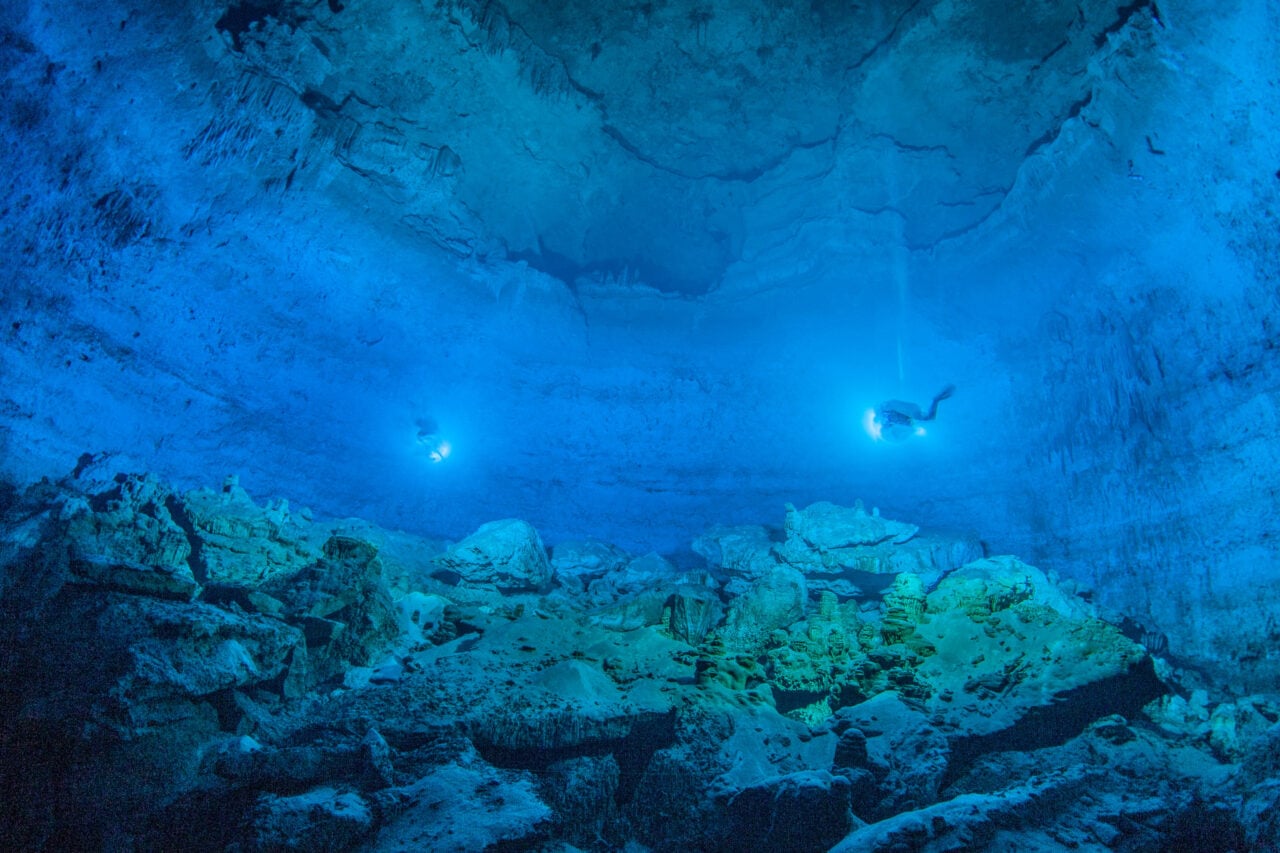
Recent explorations of a cave located in the Nullarbor Plain of Australia have led scientists to uncover a remarkable array of previously unknown species. This groundbreaking discovery has significant implications for biodiversity and conservation efforts in the region.
The cave, which was studied by researchers from the University of Queensland, revealed a collection of organisms that have adapted uniquely to their subterranean environment. Among the findings are seven species of insects and a previously unidentified species of cave-dwelling crustacean. Dr. Emily Johnson, who led the research team, expressed her excitement about the discovery, stating that it highlights the rich biodiversity that exists even in seemingly desolate areas.
Significance of the Discovery
The Nullarbor Plain is often perceived as a barren landscape, but this latest research challenges that notion. The cave’s ecosystem, isolated from the outside world, has allowed these species to evolve distinct characteristics over thousands of years. The findings are not only important for the scientific community but also serve as a reminder of the fragile nature of ecosystems that can be easily disrupted.
Dr. Johnson emphasized the need for conservation measures to protect these newly discovered species. “We are witnessing a critical moment in our understanding of biodiversity in Australia. These species may hold clues to ecological health and resilience,” she noted.
Future Research and Exploration
The discovery has opened new avenues for research in the field of evolutionary biology. Researchers plan to continue their exploration of the Nullarbor’s caves, as many areas remain uncharted. This ongoing work will help to better understand the ecological significance of these habitats and how they might be affected by climate change and human activity.
The findings from this study were published in a leading scientific journal in 2023, marking a significant milestone in the exploration of Australia’s unique ecosystems. As scientists continue to examine these hidden realms, it is expected that more species will be identified, further enriching our understanding of biodiversity.
In conclusion, the Nullarbor cave discovery underscores the importance of ongoing scientific exploration. It serves as a potent reminder of the hidden wonders that lie beneath the surface and the critical need to protect these ecosystems for future generations.