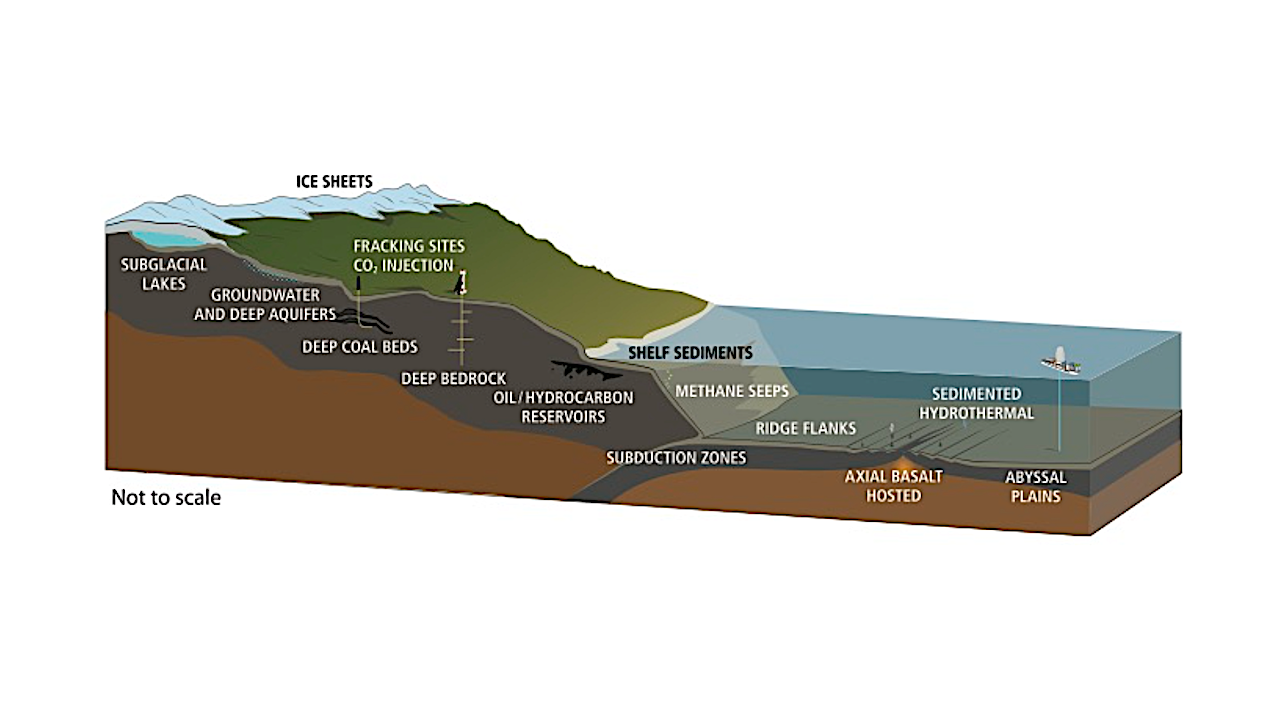
Subsurface microbiology is undergoing a significant transformation, shifting focus from merely identifying microbial inhabitants to understanding their essential functions and the processes that govern life beneath the Earth’s surface. This evolution is critical, as microorganisms in these environments play a vital role in addressing urgent societal issues, particularly in mitigating climate change and improving waste storage solutions. These challenges often involve subsurface habitats, yet opportunities for subsurface sampling and funding remain scarce and, in certain areas, have decreased.
Current Challenges and Opportunities in Subsurface Microbiology
The need for comprehensive research in subsurface microbiology has never been more pressing. According to recent studies, the processes facilitated by subsurface microorganisms are integral to developing effective strategies for climate change mitigation and waste management. For instance, understanding how these microbes interact with their environments can lead to improved methods for carbon capture and storage, as well as enhanced techniques for safe waste disposal.
Despite the importance of this field, there are significant limitations regarding sampling opportunities and funding. Many researchers face challenges in securing the financial resources needed for extensive studies. As a result, the exploration of subsurface microbiology often lags behind other scientific disciplines. This article aims to address these issues and propose actionable steps for future development in the field.
Engaging the Next Generation of Scientists
To promote growth in subsurface microbiology, it is essential to engage early-career microbiologists in drilling projects. These emerging scientists bring fresh perspectives and innovative ideas that can enhance research outcomes. By involving them in hands-on projects, funding agencies and established professionals can foster a new generation of experts equipped to tackle the complexities of subsurface life.
Furthermore, increasing access to subsurface research through industry partnerships is crucial. Collaborations between academic institutions and the extractive industries can create opportunities for microbiologists to participate in drilling operations. This synergy not only enriches the scientific community but also ensures that industry practices align with sustainable environmental standards.
In addition to industry partnerships, establishing microbiology-led drilling projects can pave the way for significant advancements. Integrating microbiologists into the planning stages of drilling projects ensures that scientific objectives align with operational goals. This interdisciplinary approach can lead to more comprehensive data collection and a deeper understanding of microbial functions in subsurface environments.
As the field expands, it is also essential to consider the implications for astrobiology. Research into subsurface microorganisms may provide insights into potential life forms beyond Earth, particularly in extreme environments similar to those found on other planets. This aspect of subsurface microbiology not only advances our understanding of life on Earth but also enhances our exploration efforts in the cosmos.
The future of subsurface microbiology is filled with potential. By addressing funding challenges, promoting early-career involvement, and fostering interdisciplinary collaboration, the scientific community can unlock new opportunities to study and harness the power of these microorganisms. As society continues to grapple with climate change and waste management, the role of subsurface microbiology will be increasingly vital in developing sustainable solutions for the future.