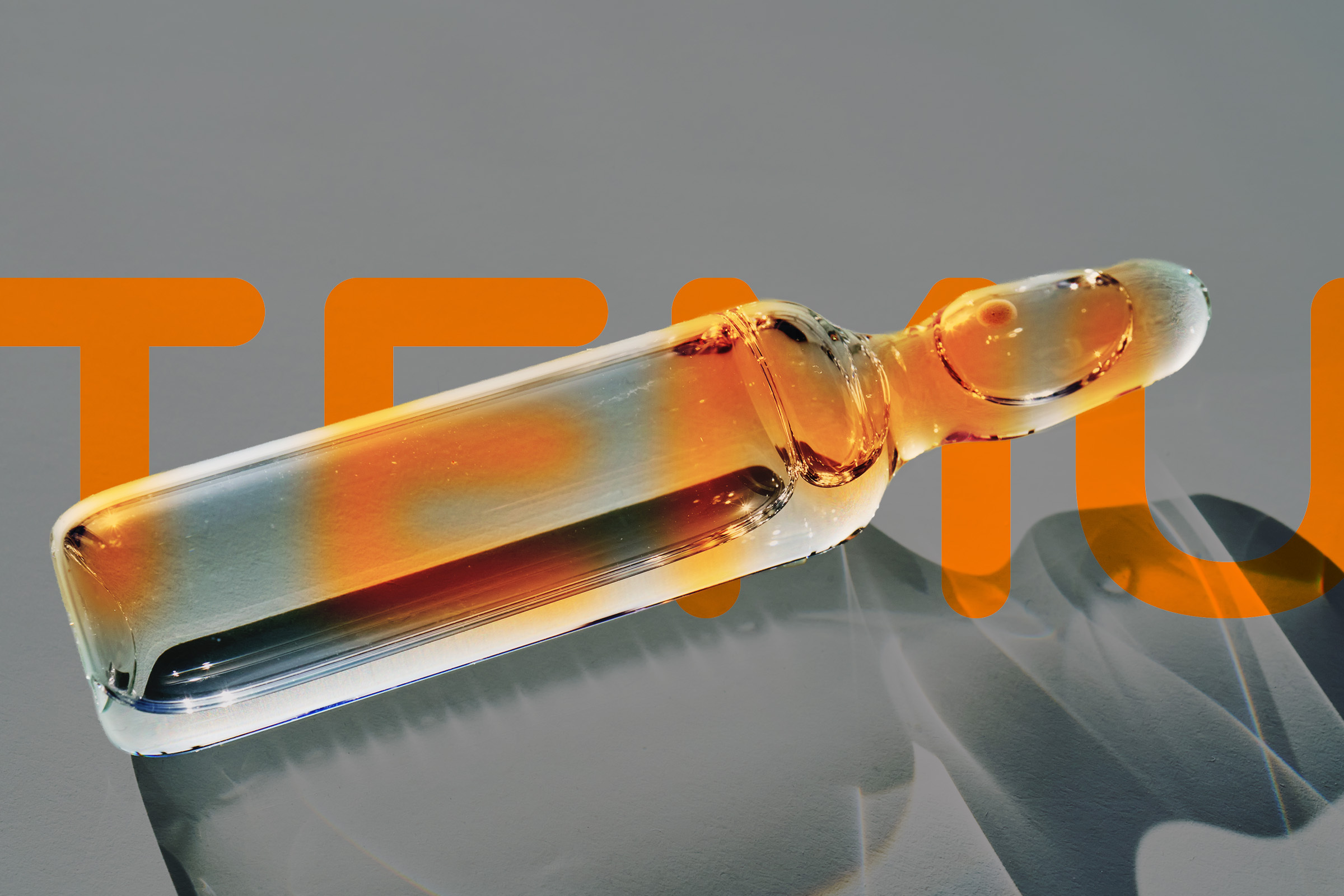
Online marketplace Temu has begun selling various peptide products, raising alarms about the safety and regulatory oversight of these substances. Peptides, which are short chains of amino acids, play crucial roles in numerous bodily functions. While some peptides occur naturally, others are synthetically created for purposes such as muscle growth, tissue repair, and cognitive enhancement. Among the more well-known examples are GLP-1s, used in weight-loss medications like Wegovy and Zepbound, which have undergone rigorous clinical studies.
The trend of purchasing peptides has surged in recent months, particularly in San Francisco, where tech enthusiasts are experimenting with DIY peptide cocktails. These products can be found on Temu at shockingly low prices, with listings for substances such as BPC-157, marketed as a healing agent, available for as little as $12 for three bottles. Another listing offers a 12-pack of an unspecified oligopeptide for $4.14, aimed at skin tightening.
A quick search on the platform reveals a vast array of peptide offerings, which can be presented in various forms, including pills, creams, and injectable solutions. The ambiguity surrounding these products raises significant questions about their authenticity and usage. Buyers might find themselves purchasing substances that do not contain the advertised peptides, as some listings labeled as GLP-1s feature ingredients unrelated to the actual peptide.
The legal landscape governing peptide sales in the United States remains murky. According to a report by the New York Times, many Americans are sourcing these compounds directly from Chinese manufacturers, often receiving them marked “for research use only.” Typically, these peptides arrive as powders, which users then mix with water for injection or intravenous consumption. This unregulated market is making it increasingly accessible for individuals to self-administer potentially harmful substances in pursuit of perceived health benefits.
An unnamed supplier of Chinese peptides noted, “Our average customer is closer to a Starbucks barista. But the techies were the first on this because of the willingness to take ridiculous risks.” This sentiment underscores the growing trend among certain demographics to explore biohacking methods, often without a thorough understanding of the implications.
In response to inquiries about the sale of peptides, a spokesperson for Temu clarified that the platform serves as a third-party marketplace for independent sellers. They emphasized that products containing peptides classified as bulk drug substances by the U.S. Food and Drug Administration (FDA) are prohibited, alongside those making unauthorized medical claims.
The spokesperson added, “Listings that violate these policies are removed upon identification, including through pre-listing screening, proactive monitoring, and reports.” Following this communication, several listings featuring injectable peptides and syringes disappeared from the platform. Current searches for “peptides” yield primarily topical creams and ointments, suggesting a swift response to the potential backlash over safety concerns.
The rise of peptide sales on Temu highlights a significant shift in how consumers access and engage with biohacking products. As more individuals turn to online marketplaces for health-related substances, the importance of robust regulation and consumer education becomes ever more critical.