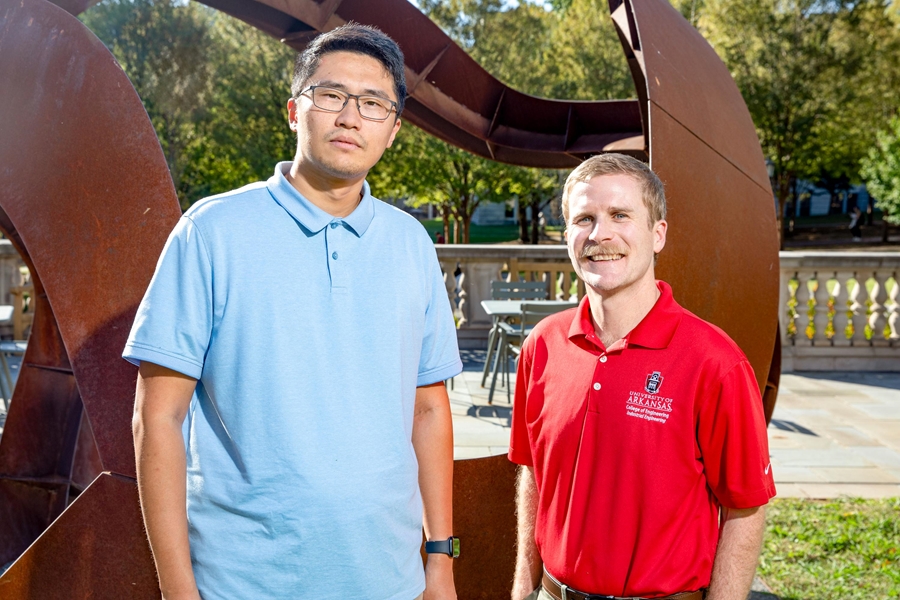
The U.S. Air Force Office of Scientific Research has awarded approximately $588,000 to two researchers at the University of Arkansas for a project aimed at enhancing the protection of critical information networks during disruptive events. The initiative, led by assistant professors of industrial engineering Haoming Shen and Robert Curry, seeks to develop mathematical models that guide the collection, sharing, and safeguarding of information during crises, such as natural disasters or cyberattacks.
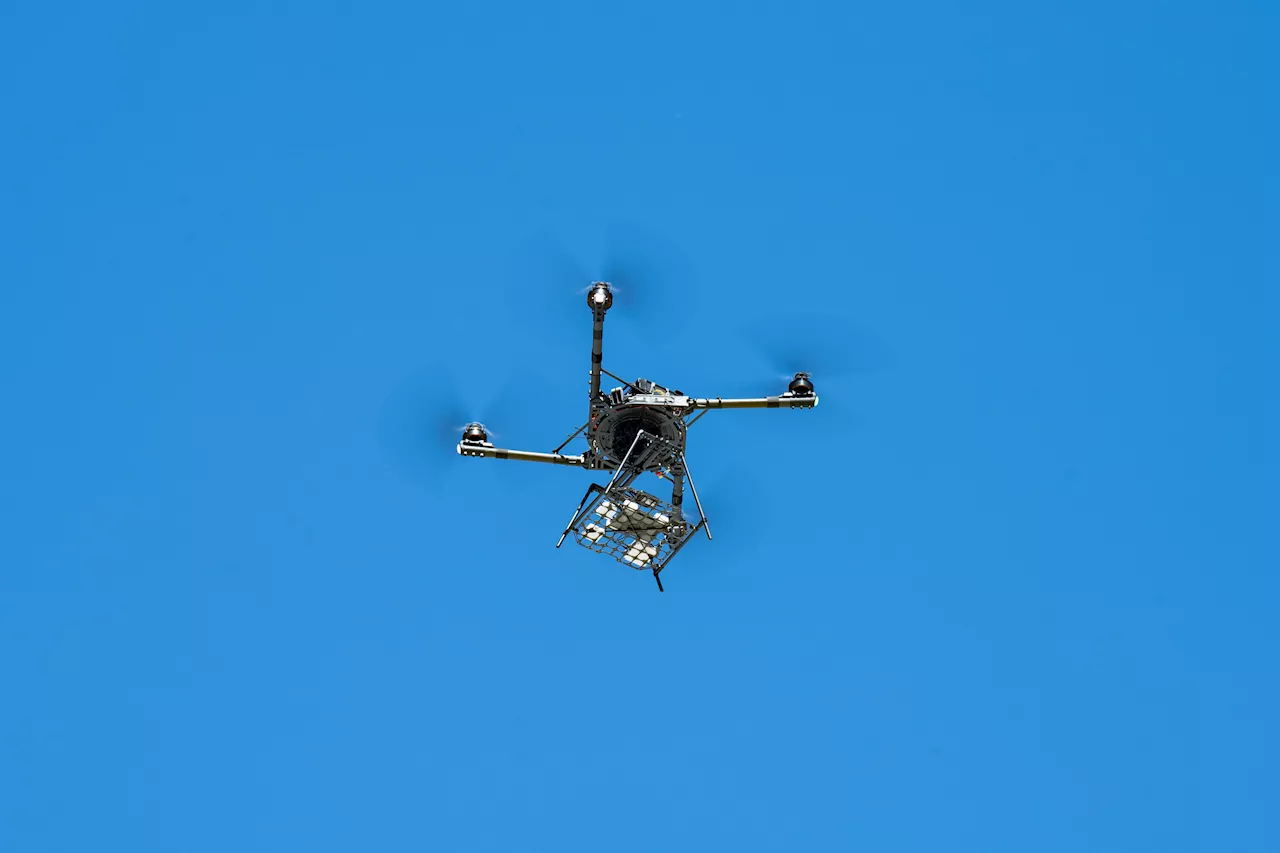
This research focuses on the impact of information flow and accuracy on a community’s ability to respond effectively to disruptions. The team will investigate how to optimally allocate limited resources, including sensors and drones, to detect potential threats and protect vital infrastructure. Shen serves as the project’s principal investigator and emphasizes the importance of making informed decisions amid uncertainty.
Addressing Key Questions in Network Protection
The project will explore two central questions: How can defenders utilize information to anticipate and identify potential attacks? Additionally, the researchers will examine the role of misinformation and strategic information sharing in deterring or mitigating threats.
“If we put it in non-mathematical terms, we’re trying to make a set of data-informed decisions, and we’re trying to make those decisions with uncertain information,” Curry explained, highlighting the project’s aim to enhance decision-making processes.
While the study will primarily involve theoretical modeling, its implications could significantly inform future crisis planning and infrastructure protection, particularly within transportation and logistics networks. Shen elaborated on the project’s goals, stating, “We want to proactively configure sensor networks to detect any potential disruptions in our network. However, in practice, deploying sensors or conducting sensing tasks requires investment, and the total amount of a budget is always limited. So we want to identify the best strategies to allocate resources and detect these attacks to strategically protect our infrastructure.”
Support for Research Initiatives
The funding for this project is part of the Defense Established Program to Stimulate Competitive Research (DEPSCoR), a Department of Defense initiative designed to enhance research capabilities at universities in underrepresented states. U.S. Senator John Boozman, a supporter of DEPSCoR, commented on the significance of the research, stating, “This project provides an opportunity to pursue high-quality research with real-world applications like protecting critical infrastructure. Investing in this project reinforces and enhances our largest institution’s significant role in supporting national security.”
In addition to this initiative, the University of Arkansas recently announced its collaboration with a national research team to develop advanced video object tracking technology under a Defense Advanced Research Projects Agency (DARPA) contract. This partnership could bring in up to $6 million in federal funding for the university, further solidifying its commitment to cutting-edge research and development in the field of technology and security.