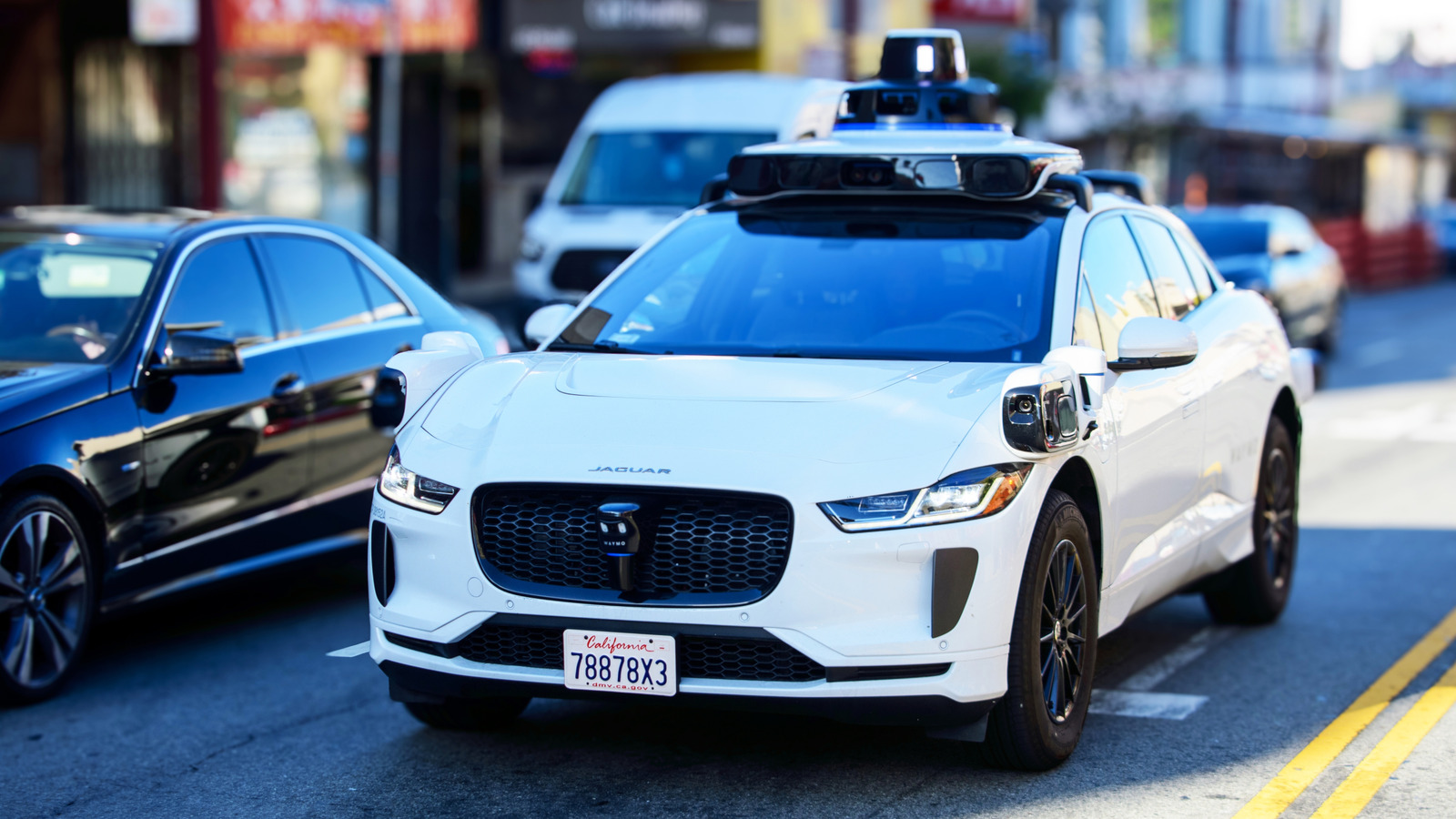
A woman unexpectedly gave birth inside a Waymo robotaxi while en route to the University of California San Francisco Hospital earlier this week. The incident, which occurred on March 6, 2024, highlights the evolving role of autonomous vehicles in daily life.
As the woman was already in labor, the Waymo Rider Support Team detected “unusual activity” within the vehicle. Upon realizing the situation, the team promptly contacted the rider and called emergency services on her behalf. Despite the alert, the robotaxi reached the hospital before emergency personnel could arrive, delivering not only the mother but also her newborn.
Jess Berthold, a spokesperson for the University of California San Francisco Hospital, confirmed the arrival of the mother and child to NBC News. Berthold noted that the new mother was unavailable for interviews, leaving many details about her and her baby undisclosed. Speculation about the baby’s name remains, with some humorously suggesting “Waymo” in recognition of the unique circumstances surrounding the birth.
In light of the event, Waymo issued a statement expressing pride in being a reliable transportation option for significant life moments. The company stated, “We’re proud to be a trusted ride for moments big and small, serving riders from just seconds old to many years young. We wish the new family all the best, and we look forward to safely getting them where they’re going through many of life’s events.” Following the incident, Waymo confirmed that the vehicle was immediately removed from service for cleaning.
While robotaxis are not without flaws, including notable safety concerns and technological mishaps, data indicates that Waymo’s autonomous vehicles generally outperform human drivers in terms of safety. Some experts have even labeled them as “a public health breakthrough.” This suggests that the robotaxi’s performance during the birth was commendable, as it maintained focus and adhered to traffic regulations—qualities that can sometimes be compromised with human drivers in similar high-stress situations.
Although an ambulance would typically be the preferred choice for such emergencies, the high costs associated with ambulance services may lead individuals to consider alternatives like Waymo’s robotaxis. The incident raises intriguing questions about the future of transportation and healthcare, particularly how autonomous vehicles may play a role in critical moments of life.
As the story unfolds, it serves as a fascinating example of how technology intersects with human experiences, illustrating that even in unexpected situations, innovation can provide a reliable solution.