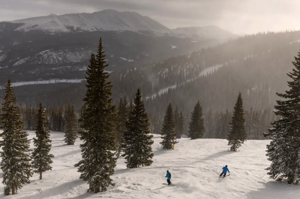
A pivotal lawsuit is currently before the Colorado Supreme Court, challenging the ski resort industry’s reliance on liability waivers. This case could significantly impact the way ski resorts operate, as it questions the enforceability of waivers that guests sign to absolve resorts of responsibility for injuries sustained on the slopes.
The legal proceedings stem from a case involving a plaintiff who suffered injuries while skiing at a Colorado resort. The plaintiff argues that the waiver they signed should not shield the resort from liability for negligence. This situation reflects broader concerns regarding the adequacy and fairness of such waivers within the ski industry.
Implications for the Ski Industry
The ski resort sector has increasingly turned to liability waivers to protect itself against lawsuits, especially given the high number of injuries associated with skiing and snowboarding. According to the National Ski Areas Association, nearly 600,000 injuries occur on ski slopes each year, leading to significant financial repercussions for resorts.
Legal experts are closely monitoring this case, as its outcome could set a critical legal precedent. If the court finds that ski resorts cannot rely on liability waivers to protect themselves from negligence claims, it may result in increased insurance costs and changes in operational practices across the industry.
The ramifications extend beyond legal concerns; they also touch upon the economic landscape of Colorado’s tourism industry. Skiing is a vital component of the state’s economy, contributing over $4 billion annually. A shift in liability laws could deter visitors, impacting local businesses that thrive alongside ski resorts.
Current Status and Next Steps
The Colorado Supreme Court is expected to hear arguments in the coming months, with a decision anticipated by early 2024. Legal analysts suggest that the court’s ruling will clarify the standards for enforceability of liability waivers in Colorado and potentially across the United States.
As the ski season approaches, stakeholders in the industry are watching closely. Many are advocating for reforms that balance consumer protection with the operational needs of ski resorts.
This case highlights the ongoing tension between personal responsibility and corporate accountability, a topic that resonates in various sectors beyond just skiing. The outcome will likely reverberate through the legal landscape, influencing how businesses manage risk and consumer safety in the future.
The Colorado Supreme Court’s decision could redefine the relationship between ski resorts and their patrons, with implications that extend far beyond the mountains.