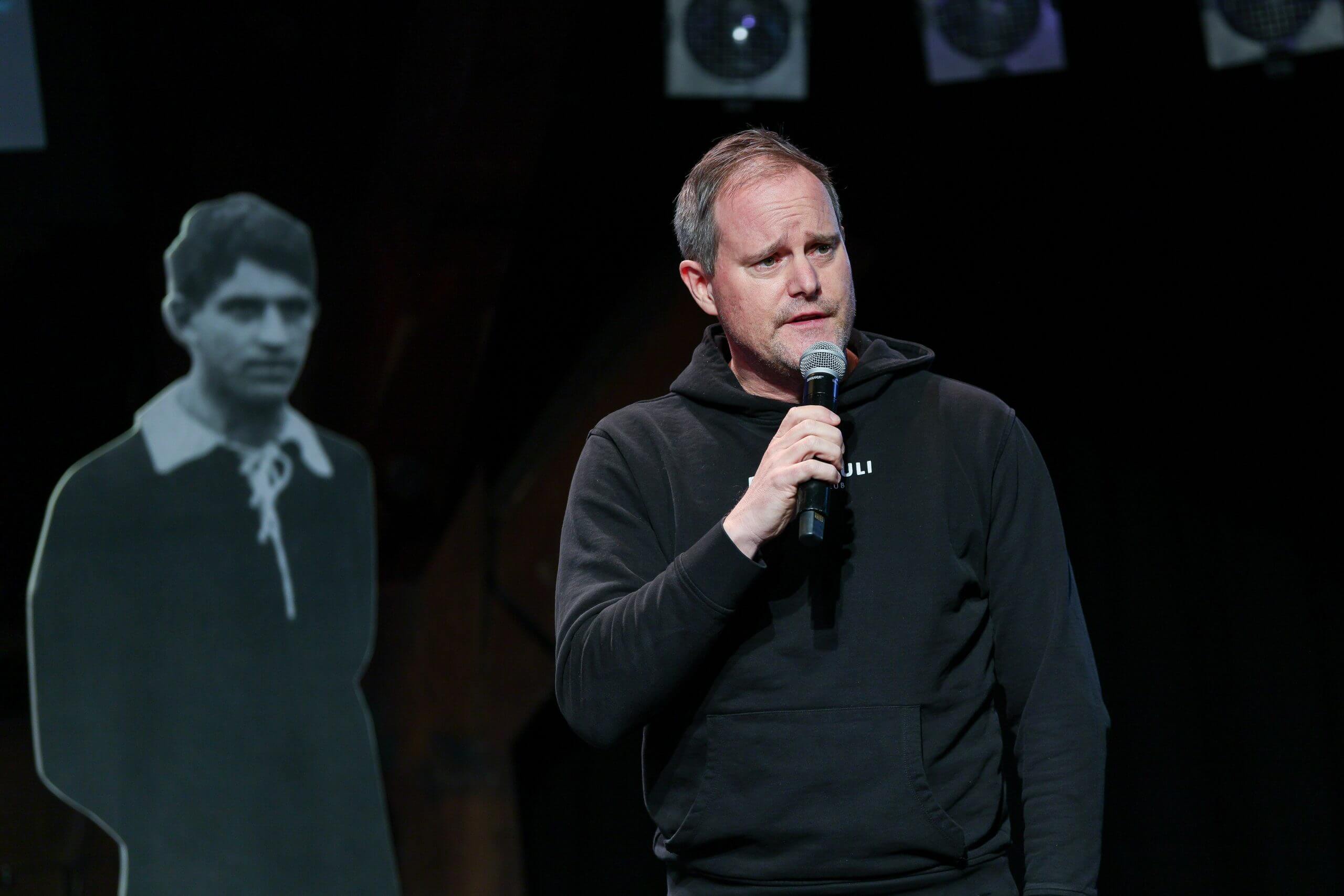
Oke Goettlich, president of the German football club St. Pauli, has sparked a significant conversation regarding the possibility of a boycott of this year’s men’s World Cup, scheduled to take place in the United States, Canada, and Mexico. In an interview with the Hamburger Morgenpost, Goettlich highlighted the need for a discussion about the ethical implications of the tournament, citing human rights concerns and political issues in the United States.
He referenced historical precedents, questioning, “What were the justifications for the boycotts of the Olympic Games in the 1980s?” Goettlich argued that the current situation may present an even greater threat. His comments have ignited a critical response from several officials within German football.
Bernd Neuendorf, president of the German Football Association (DFB), criticized Goettlich’s remarks during an event organized by the Deutsche Fussball Liga (DFL), which oversees the Bundesliga. Neuendorf accused Goettlich of “jumping the gun” and suggested that the discussion is “ill-timed and not relevant to us.” He asserted that the DFB is unified in viewing the call for a boycott as misguided, emphasizing the importance of internal discourse before public statements.
Goettlich’s reputation as an outspoken leader is well established, having led St. Pauli since 2014. Known for its political activism, the club has a history of taking strong stances on social issues. He reiterated his concerns, saying, “It is clearly time to at least discuss a boycott.” He noted the recent travel advisories issued by Germany’s Foreign Office for certain parts of the United States and expressed alarm over reports of people dying as a result of immigration enforcement actions.
The conversation around a potential boycott gained further traction when former FIFA president Sepp Blatter endorsed comments made by Mark Pieth, a Swiss anti-corruption lawyer. Pieth advised fans to “avoid the United States,” suggesting that they would have a better viewing experience from home. Blatter echoed this sentiment, stating on social media, “For the fans, there’s only one piece of advice: stay away from the USA!”
Goettlich has also cautioned fans against attending the tournament, asserting that football cannot be separated from political realities. He remarked, “The claim that football should not be politicised is simply no longer credible.” He pointed to the political maneuvering surrounding the World Cup, which has included endorsements from politically charged figures like FIFA president Gianni Infantino and former U.S. President Donald Trump.
He clarified that a boycott would not be aimed at the American people, but rather at the government, viewing it as a protest against policies that threaten human rights and the rule of law. “This is not about demonising the United States, and certainly not its population. It is about standing with those who are threatened by the Trump administration,” Goettlich stated.
He emphasized the importance of engaging with civil society initiatives in the United States to better understand the perspectives of those directly affected by current policies. Goettlich expressed a desire to involve these voices in the ongoing discussion, stating, “What really matters is listening to those on the ground and understanding how people there view the situation.”
As the debate continues, the implications of Goettlich’s statements and the potential for a boycott remain uncertain. The discussions reflect broader concerns about the intersection of sport, politics, and human rights as the World Cup approaches.