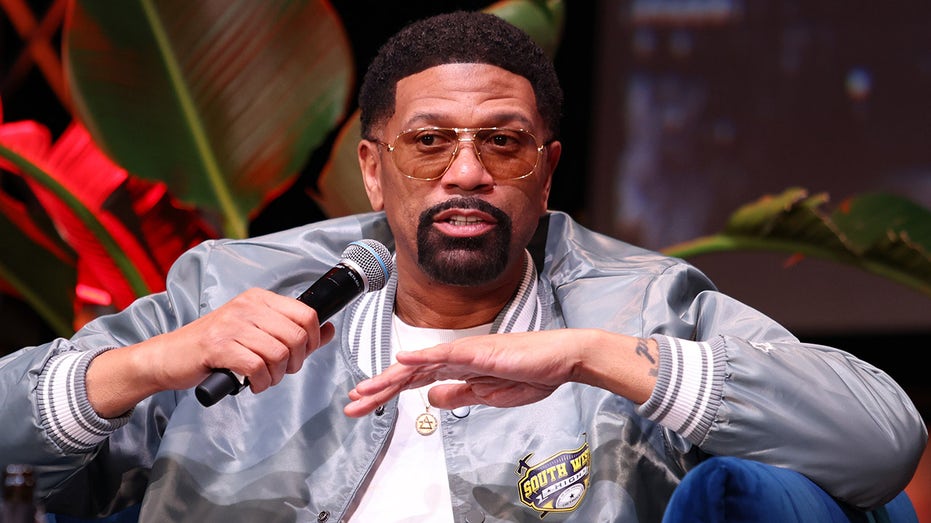
Former NBA player Jalen Rose recently raised critical questions about the presence of salary caps in professional sports, suggesting that there are racial implications tied to these financial structures. Speaking on the live edition of the “Joe and Jada Unfiltered” podcast, Rose pointed out that the only sports leagues with salary caps are predominantly led by Black athletes, contrasting this with leagues such as Major League Baseball (MLB), NASCAR, golf, and tennis, which do not impose such limits.
Rose’s comments come at a time when discussions about compensation and equity in sports are increasingly pertinent. He stated, “The only sports that have salary caps are Black led,” and emphasized a troubling aspect of the system. He noted that these leagues benefit financially from young athletes who often do not receive payment during formative years, claiming this is a “residue of slavery.” According to Rose, the financial disparities have become more apparent thanks to social media and the increasing flow of information, leading to the realization that leagues generate significant revenue and must compensate athletes appropriately.
In his critique, Rose specifically highlighted the lack of restrictions on players transitioning from high school to professional sports, which he argues disproportionately affects Black athletes. He stated, “We’re making a billion dollars, we gotta pay them something,” indicating a growing awareness of the systemic issues within the sports industry. Although he expressed satisfaction with recent changes allowing players to monetize their name, image, and likeness, he pointed out that the underlying system still requires players to “pay the system.”
Rose also addressed eligibility rules for professional leagues. He criticized the National Football League (NFL) requirements, which mandate that players be three years removed from high school before entering the league. He referenced iconic players like Kobe Bryant and Kevin Garnett, who successfully transitioned directly from high school to the NBA. However, he did not acknowledge the numerous players who have struggled or failed to thrive when making a similar leap.
In baseball, high school athletes can enter the draft but typically begin their careers in the minor leagues, a process that can delay their entry into the major leagues. Rose’s comments resonate as MLB prepares for contentious negotiations regarding the implementation of a salary cap during upcoming collective bargaining discussions. While the league is expected to advocate for a cap, players have historically resisted such measures.
The conversation surrounding salary caps and their implications is becoming more urgent as leagues like the NBA and NFL continue to draw attention to issues of equity and compensation. As athletes like Rose speak out, the dialogue is likely to evolve, reflecting broader societal changes regarding race, economics, and justice in sports.
As these discussions unfold, the impact on players and their financial futures remains a focal point for both fans and analysts alike. The sports industry is at a critical juncture, one that may reshape its financial landscape and influence how athletes are valued in the years to come.