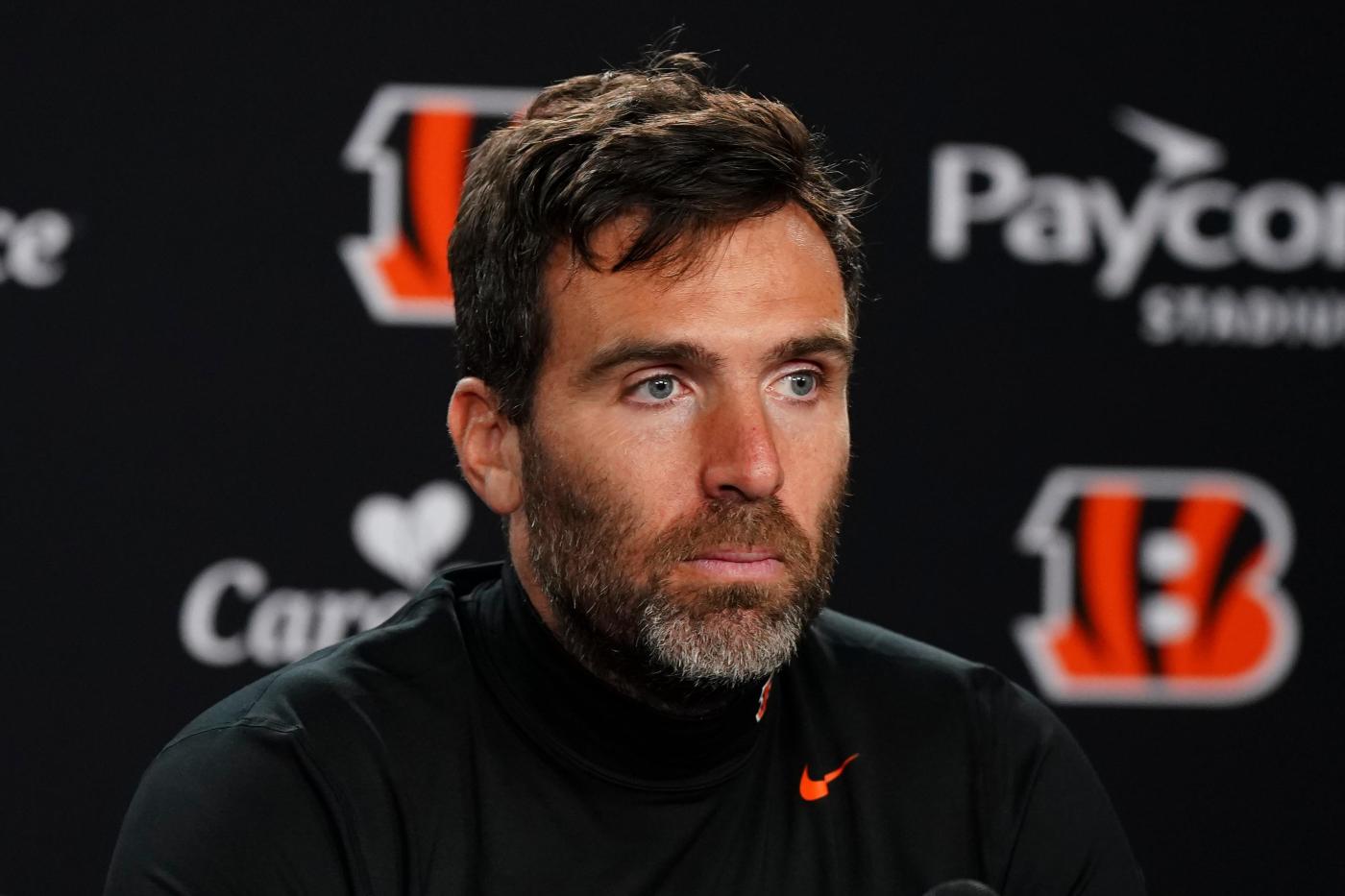
Joe Flacco’s recent remarks regarding the risks of concussions in football have ignited significant backlash from fans and commentators alike. During an interview on February 5, 2024, Flacco stated, “We signed up to get concussions,” dismissing concerns about the long-term health impacts of repeated head injuries in the sport.
Such comments have prompted a wave of criticism, particularly from those who reflect on the tragic outcomes faced by former players. Flacco’s casual dismissal of a serious issue has raised alarms among advocates for player safety. Many fans are reminded of the fates of legendary players like Mike Webster, Junior Seau, and Dave Duerson, all of whom suffered from Chronic Traumatic Encephalopathy (CTE) after their careers.
Concerns Over Player Safety and Mental Health
Mike Webster, a Hall of Fame center for the Pittsburgh Steelers, passed away at the age of 50, facing financial struggles and mental health issues in his final years. Similarly, Junior Seau, a celebrated linebacker for the San Diego Chargers, committed suicide at 43, and Dave Duerson, a former defensive back for the Chicago Bears, took his life at 50. Autopsies of these players revealed CTE, a degenerative brain disease linked to repeated head trauma. These instances underscore the devastating consequences of ignoring the risks associated with football.
The NFL has made strides in addressing concussion protocols and player safety, yet Flacco’s remarks suggest a cultural disconnect. Critics argue that his viewpoint not only trivializes the suffering of former players but also undermines ongoing efforts to improve safety standards within the league.
“Thanks for the Super Bowl, Joe, but please keep your views on football safety to yourself,” wrote a concerned fan, Herb Cromwell, highlighting the sentiment shared by many who were alarmed by Flacco’s comments.
Calls for Greater Awareness and Responsibility
Advocates for player safety are urging current and former players to acknowledge the reality of brain injuries in football. They emphasize the need for more comprehensive education and responsibility among athletes regarding the risks of concussions. As the dialogue continues, it is crucial for players like Flacco to understand the potential implications of their statements on public perception and player welfare.
The discussion around Flacco’s comments reflects broader issues in sports culture, where toughness is often glorified at the expense of health. As awareness of CTE and its impacts grows, it is imperative for players, coaches, and organizations to prioritize safety over outdated notions of honor and resilience.
As the NFL continues to navigate these complex issues, the conversation around player health remains more critical than ever. The league must foster an environment where open discussions about concussions and brain injuries are not only acceptable but encouraged. The future of the sport may well depend on it.