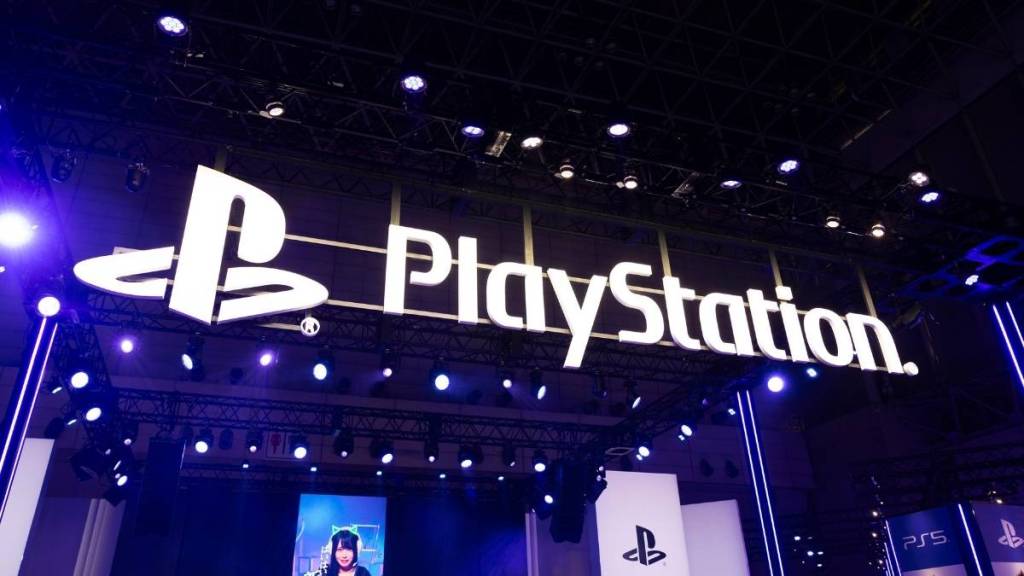
The anticipated launch of Sony’s next-generation console, the PlayStation 6 (PS6), may be postponed until 2028 or 2029 due to a significant shortage of AI chips. Industry reports indicate that the current global memory shortage is affecting Sony’s ability to maintain its original release timeline, leaving fans concerned about the future of the PlayStation brand.
Insider sources have suggested that the PS6’s release could be delayed by several years, marking a notable departure from Sony’s typical console launch cycle of around six to seven years. The PlayStation 5 (PS5), which debuted in November 2020, could become the longest-lasting console generation in the company’s history if the PS6 launch is pushed back as anticipated.
Impact of AI Chip Shortage on Production
The shortage is primarily driven by increased demand for AI chips, with companies such as Nvidia and Google rapidly acquiring available memory resources. According to a recent report from CNBC, this surge in demand has left console manufacturers, including Sony, struggling to secure the necessary components for production.
A further report from Bloomberg highlights the widespread consequences of the memory chip deficit, which has led to rising production costs for the PS6. These escalating expenses complicate Sony’s efforts to adhere to its planned launch schedule. Analyst David Gibson from MST International has noted that while existing inventory may temporarily shield Sony from the immediate effects of the rising memory prices, the situation could change. Gibson predicts that increased costs may impact the company in the fiscal year ending in March 2027, potentially prompting Sony to pass on these expenses to consumers.
Future Strategies and Market Reactions
In light of these challenges, Sony’s Chief Financial Officer, Lin Tao, stated, “Going forward, we intend to further negotiate with various suppliers to secure enough supply to meet the demand of our customers.” This proactive approach aims to mitigate the impact of the chip shortage on the PS6’s production.
Meanwhile, Nintendo is reportedly considering a price increase for its upcoming console, the Switch 2, later this year, although neither company has issued official statements regarding their pricing strategies or production timelines.
The situation remains fluid, but the potential delay of the PS6 underscores the broader challenges facing the gaming industry as it navigates supply chain disruptions. As the gaming community awaits further updates, the future of the PlayStation brand hangs in the balance.