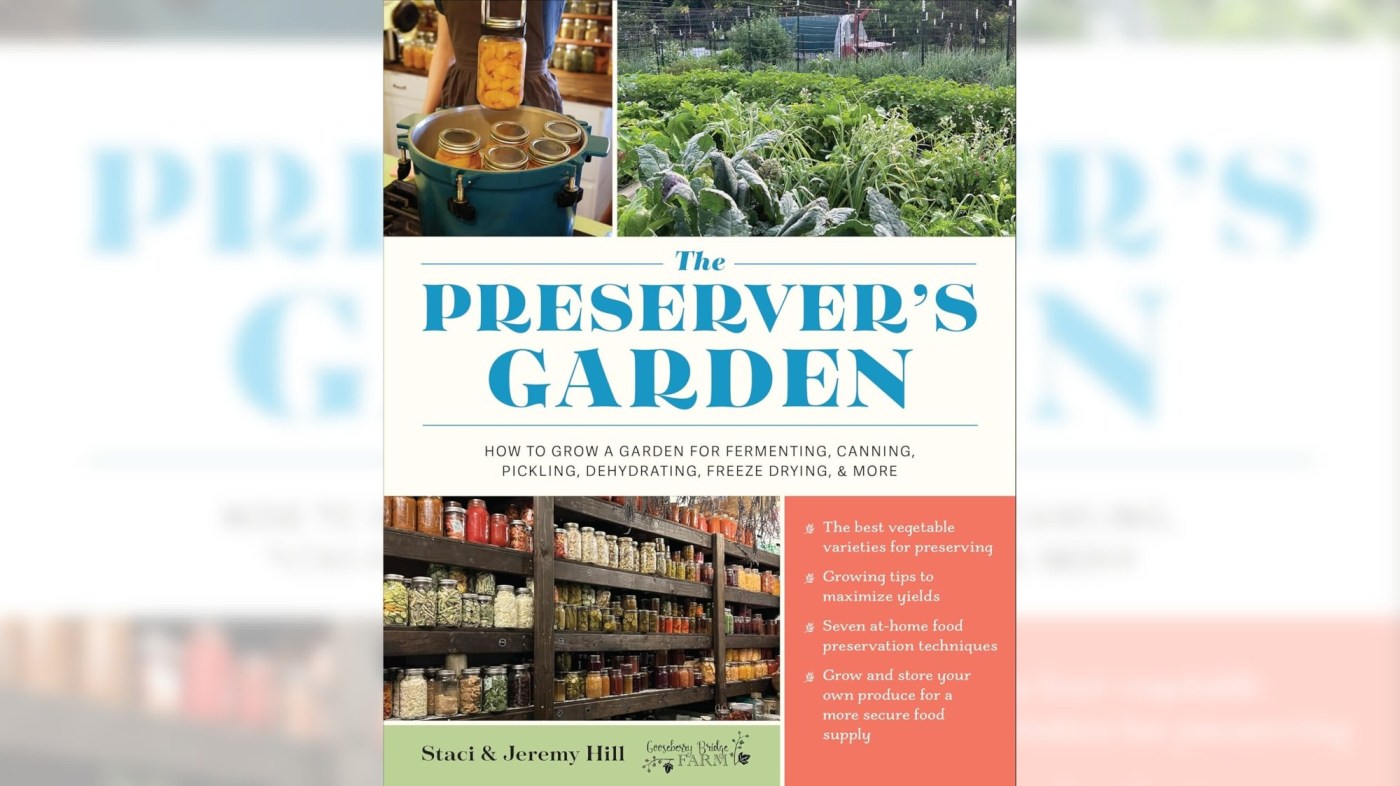
For gardeners overwhelmed by an abundant harvest, the newly released book, The Preserver’s Garden, offers practical solutions. Authored by Staci and Jeremy Hill, this comprehensive guide focuses on techniques for preserving fruits and vegetables through methods such as fermenting, canning, and freeze drying. With this book, gardeners can transform their surplus produce into long-lasting food, ensuring nothing goes to waste.
The Hills emphasize the versatility of tomatoes, particularly the popular slicer varieties, which are ideal for sandwiches. These tomatoes come in a spectrum of colors, including black, purple, yellow, and pink. Pink varieties, known for their meatiness and low seed content, are particularly recommended for those seeking to incorporate more tomatoes into their diet. The authors suggest trying an heirloom slicer tomato on a grilled cheese sandwich, seasoned with homemade basil salt.
Basil salt is a novel creation in the culinary world. The process involves blending dry basil leaves with kosher salt until a fine mixture forms. This flavorful blend can replace ordinary salt in cooking, enhancing the taste of various dishes. The book details how to create and store this seasoning, making it a valuable addition to any kitchen.
Innovative Preservation Techniques
Freeze drying is a major focus of The Preserver’s Garden. The Hills predict that freeze dryers will become as common in homes as other kitchen appliances. Although current models can be costly, their prices are expected to decrease as demand rises. Freeze-dried produce can last up to 25 years when stored properly, providing a long-term solution for preserving harvests.
Additionally, the book highlights that freeze-drying can be applied to both fruits and vegetables, resulting in crisp snacks that can be enjoyed on their own or added to meals. For example, freeze-dried strawberries and bananas are popular components of trail mixes. The authors demonstrate how to rehydrate these items for use in various culinary applications.
The Hills also recommend freeze-drying for preserving herbs, as this method retains the fresh taste and vibrant color of the herbs, surpassing traditional air-drying techniques.
Another resource, The New Natural Food Garden by Natalie Bogwalker and Chloe Lieberman, complements the Hills’ work by providing extensive information on designing and maintaining vegetable and herb gardens. This book explores differing viewpoints on gardening practices, highlighting the art and science behind effective cultivation.
In addressing seedling thinning, Bogwalker adopts a two-stage method, while Lieberman favors a single thinning approach. Such insights illustrate the personalized nature of gardening, where techniques can vary based on individual preferences and experiences.
Understanding Soil and Crop Care
The authors also discuss soil fertility, offering two approaches: one focused on soil mineral content and another emphasizing the health of soil life, including beneficial bacteria and fungi. Their combined approach aligns with the practices of legendary gardener Ruth Stout, who famously cultivated vegetables using only water and rotting hay. Stout’s methods produced robust, pest-free crops and established healthy soil over time.
Tables in The New Natural Food Garden provide practical monthly gardening tasks, such as planting times and crop management strategies tailored for hot climates. For instance, February tasks include direct sowing lettuce and preparing beds for corn, ensuring a continuous harvest throughout the warmer months.
The book also features a section on native plants, such as the Antelope bitterbrush (Purshia tridentata), a resilient shrub that thrives in drought conditions. This plant, part of the rose family, contains nitrogen-fixing bacteria that help enhance soil fertility, making it an ideal choice for sustainable gardening.
As interest in gardening continues to grow, sharing experiences and insights can be incredibly beneficial. Those with preserving techniques or gardening questions are encouraged to reach out via email at [email protected]. The exchange of knowledge can foster a community of gardeners eager to learn and share successes.
With the right techniques and resources, gardeners can not only enjoy their harvest but also ensure that it lasts well beyond the growing season.