The performance of New York Yankees pitcher Cam Schlittler during Game 3 of the 2022 Wild Card Series was fueled not only by competitive spirit but also by exceptional sleep. Schlittler reported achieving his highest recovery scores—96% and 93%—using the wearable fitness device WHOOP, which tracks various health metrics. This innovative technology has gained traction among athletes, particularly in baseball, highlighting the importance of sleep in sporting performance.
Following a dominant outing against the Boston Red Sox, Schlittler attributed part of his success to improved sleep patterns, which he monitored through the WHOOP device. The wristband measures sleep stages, heart rate, and recovery levels, providing personalized insights to help users optimize their rest and performance. “I took a lot of pride in working on that stuff in-season,” Schlittler stated, emphasizing the device’s role in his regimen after receiving it from his agency in August 2022.
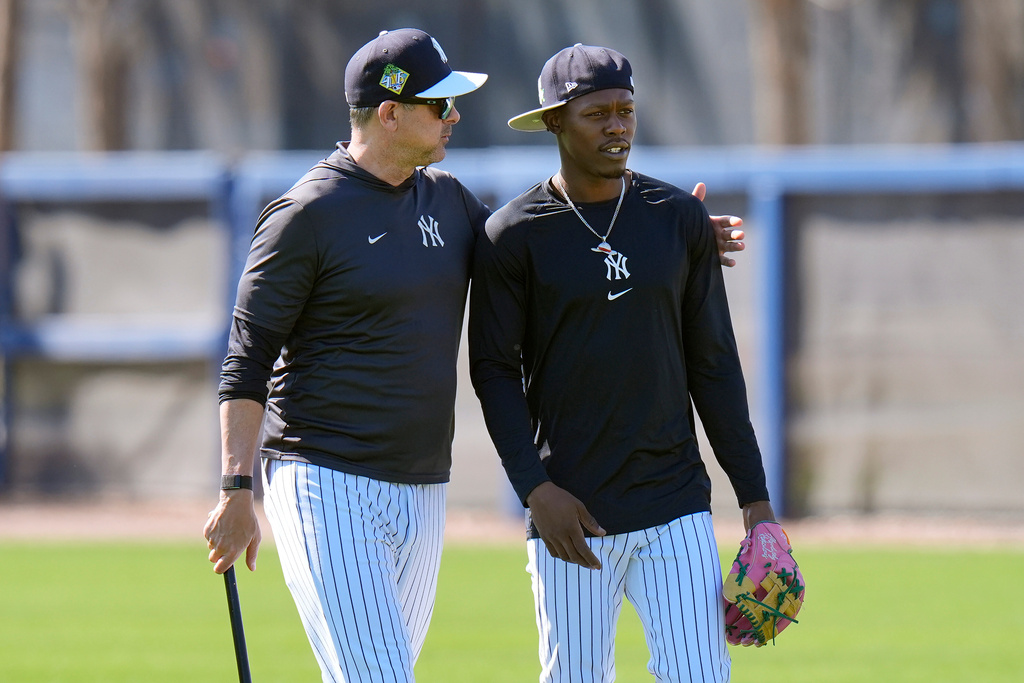
Yankees players are increasingly adopting WHOOP, integrating it into their training routines. The device’s ability to analyze sleep cycles and recovery has made it a staple in the clubhouse. Manager Aaron Boone noted that many players, including himself, have become accustomed to checking their sleep scores. Boone’s reliance on melatonin, combined with WHOOP data, illustrates his commitment to maximizing recovery.
WHOOP’s Growing Popularity in Sports
The WHOOP device has been embraced not only by Yankees players but also by numerous athletes across different sports. Major League Baseball (MLB) approved the use of these devices during games in 2017, a decision that reflects the growing recognition of the importance of sleep and recovery in athletic performance. Other notable athletes, including LeBron James and Michael Phelps, have also been seen using WHOOP, underscoring its widespread appeal.
In the Yankees’ locker room, several players share their experiences with the device. Pitcher Clarke Schmidt, who underwent Tommy John surgery in 2022, has become particularly invested in his sleep habits since using WHOOP. Schmidt believes that better sleep directly correlates with improved rehabilitation outcomes. “I always thought I was dialed in on my sleep, and then as I’ve gotten more into it, I found that I’ve taken it to a whole other level,” he remarked.
Another player, Ben Hess, has used WHOOP intermittently for several years. Recent fatherhood prompted him to reacquaint himself with the device, as he needed to monitor the impact of parenting on his sleep quality. “If I’m not wearing it, it’s easy to get in a rut of sleeping less,” Hess explained, highlighting the accountability the device provides.
The Psychological Impact of Tracking Sleep
While WHOOP offers valuable data, it can also introduce psychological challenges for some players. Pitching coach Matt Blake observed that athletes sometimes react negatively to poor sleep scores, which can affect their mindset before games. Hess noted that he intentionally avoids checking his scores on the morning of a start day to prevent any mental distraction that could arise from a bad score. “It can mess with you mentally,” he said.
Despite occasional mental hurdles, most Yankees players find WHOOP to be a beneficial tool. Schlittler stands out as a strong advocate for the device, believing it to be a worthwhile investment for athletes serious about recovery. “If you’re serious about recovery in-season and out-of-season, it’s something I think you should invest in,” he stated.
As technology continues to shape athletic training and performance, the adoption of sleep tracking devices like WHOOP among professional athletes is likely to expand. The Yankees’ experience serves as a case study in the potential benefits of prioritizing sleep and recovery, which could set a precedent for other teams and sports.