URGENT UPDATE: Bank of America just announced a rare double-downgrade of Adidas stock, now rated as a “sell.” This shocking move signals a potential end to a 20-year trend of casual fashion, which has significantly shaped consumer behavior and the apparel market.
In a developing analysis, BofA warns that the once-bullish atmosphere around Adidas is fading fast. The firm believes the casualization of fashion has peaked, with sneakers skyrocketing from 20% to a staggering 50% of the footwear market over the last two decades. Analysts indicate that consumer preferences are shifting back towards traditional sporting goods, putting Adidas at risk of losing its competitive edge.
Shares of Adidas plunged as much as 7% following the downgrade, a stark contrast to the optimistic outlook from other market players. While many analysts remained bullish on Adidas, BofA’s drastic move places the brand in a precarious position. The firm anticipates that organic sales growth for Adidas will dwindle into single digits, a significant concern for a company that has long thrived on casual wear.
As the market evolves, competitors like Nike are poised to capitalize on Adidas’ struggles. Nike recently reported strong growth in North America, aided by a revival under CEO Elliott Hill. Despite a 14% decline in stock since the start of 2025, Nike’s recovery could further squeeze Adidas, given their historical inverse revenue trends.
“If Nike grows, Adidas contracts, and vice versa,” BofA cautioned, highlighting the fierce competition in the sneaker market.
Even the upcoming World Cup, where Adidas has vested interests through brand ambassador Lionel Messi, may not be enough to salvage the brand. BofA casts doubt on whether the tournament will provide lasting boosts, predicting that once the excitement fades, Adidas will face the same old challenges.
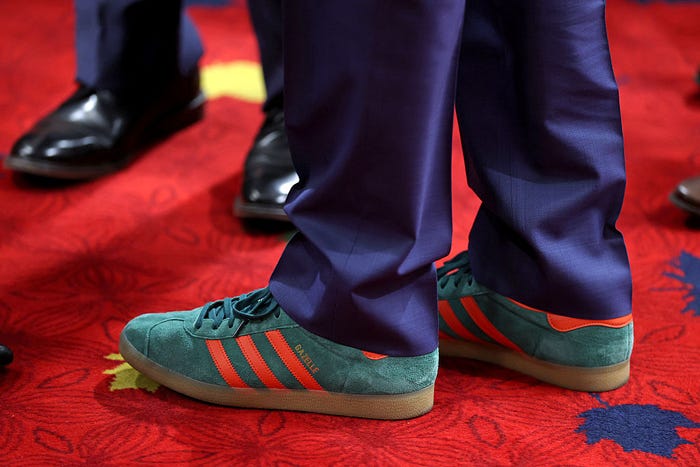
This news arrives at a time when the fashion industry has increasingly embraced casual attire, with consumers regularly opting for relaxed clothing even in formal settings. The implications of this shift are significant, affecting everything from airport fashion trends to workplace attire. The “sneakers-with-suits” phenomenon, which has become commonplace, may finally be on the verge of decline.
As Adidas grapples with these challenges, the potential fallout could resonate deeply within the apparel industry, impacting jobs, retail strategies, and consumer choices worldwide. Stakeholders will be watching closely to see how Adidas navigates these turbulent waters and what steps they will take to regain momentum.
Stay tuned for more updates on this developing story as the implications for Adidas and its competitors unfold. This situation is evolving rapidly, and the future of the brand hangs in the balance.