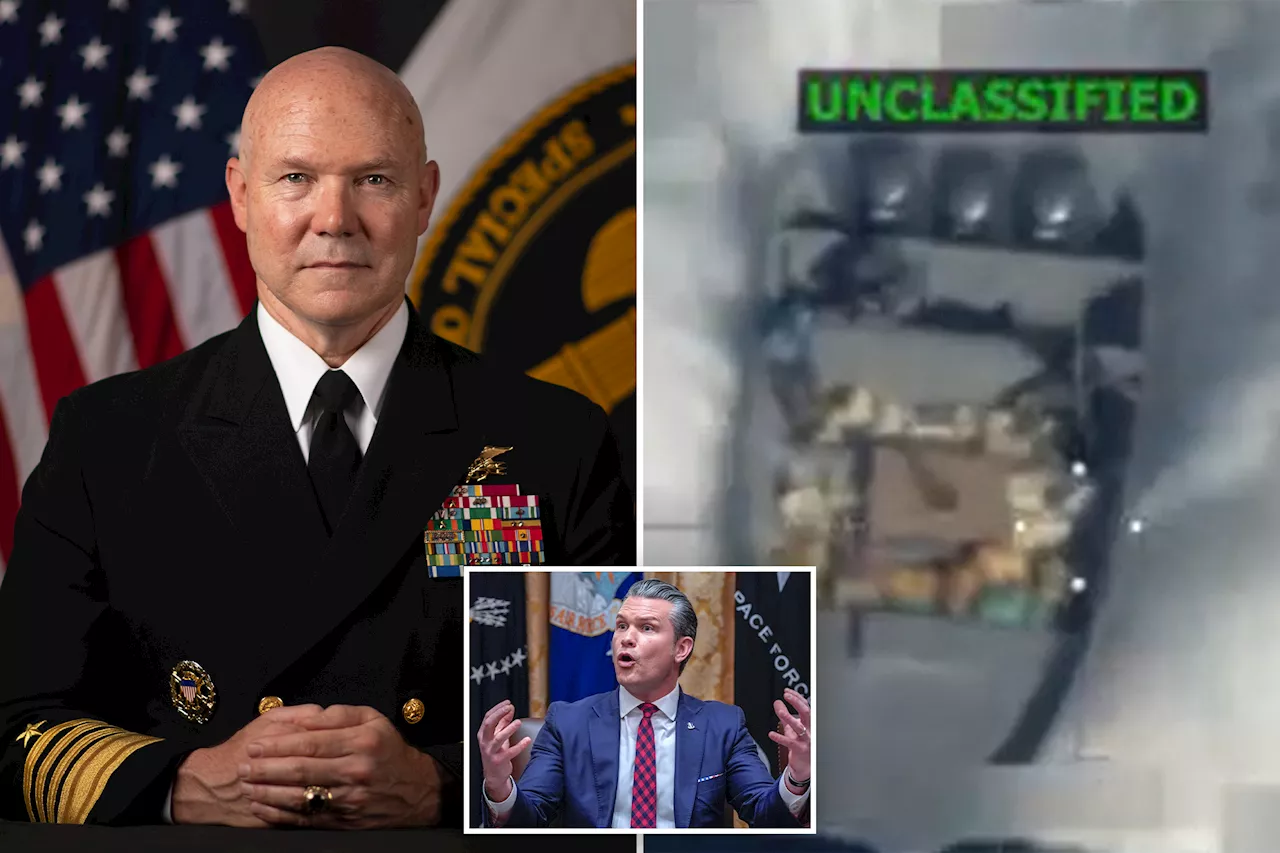
UPDATE: Admiral Frank Bradley is set to brief lawmakers today regarding the controversial military strikes in the Caribbean Sea on September 2nd that resulted in the deaths of 11 people. This urgent briefing comes amid intense scrutiny over the operation’s handling of survivors and the rules of engagement.
The House and Senate Armed Services Committees are investigating the circumstances surrounding the strikes, which targeted a suspected drug-running vessel. Reports have surfaced questioning the decision-making process and whether the treatment of survivors adhered to the laws of war. Admiral Bradley, who ordered both the initial missile strike and the follow-up attacks, will provide insights into his rationale for these decisions.
The controversy intensified after surveillance video indicated no survivors were initially visible, prompting Bradley to make a critical choice about classifying any survivors as combatants. The operation was directed by Secretary of War Pete Hegseth, who mandated the destruction of the boat and its cargo.
As investigations unfold, lawmakers are eager to understand the decision-making process that led to the additional strikes. The implications of these events extend beyond military operations, raising crucial concerns about ethical conduct and adherence to international law.
The White House has hinted at potential future strikes, reinforcing the administration’s commitment to combating drug trafficking. President Trump has expressed support for releasing the full surveillance footage, a move that could clarify the situation and influence public perception. He emphasized that drug smugglers pose a significant threat, declaring, “we know where they are, we know where they manufacture it.”
Since the September strikes, the US military has conducted 21 operations against suspected drug traffickers in the region, resulting in over 80 fatalities. The ongoing investigations will focus on the interpretation of the rules of engagement and the assessment of threats posed by survivors. Lawmakers will seek answers on the adequacy of military training regarding civilian protection and the protocols for identifying combatants.
The situation reflects the complex challenges faced by military commanders in contemporary operations against non-state actors. As Admiral Bradley’s briefing approaches, all eyes are on the Capitol, where the findings could reshape military procedures and policy regarding drug trafficking operations.
This developing story continues to raise vital questions about military ethics, accountability, and the preservation of human rights in conflict zones. Readers are urged to stay tuned as more details emerge from this critical briefing.